table of contents
Finance teams don’t lose money because a voice sounds odd. They lose money because the request sounds urgent, familiar, and inside the normal chain of command.
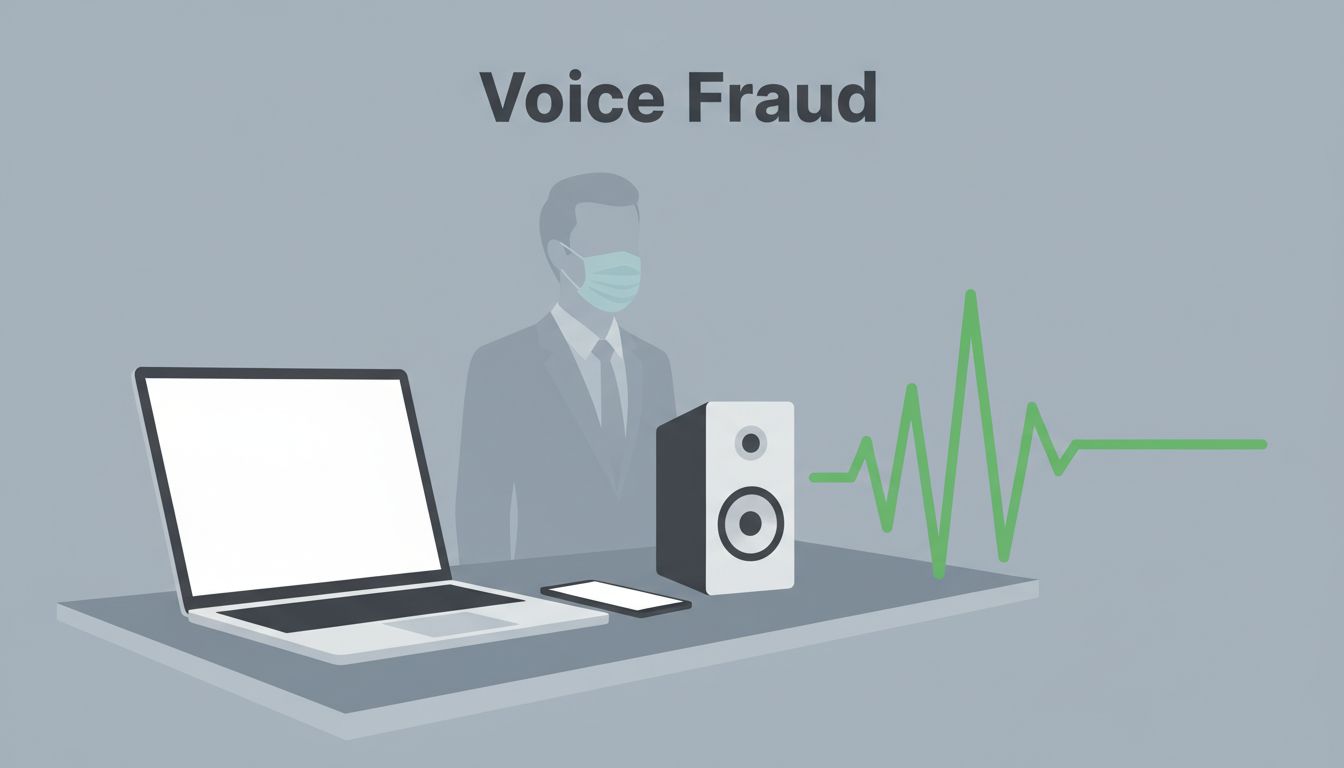
Deepfake voice fraud now targets wire transfers, vendor payment changes, and last-minute approvals. Attackers pair cloned audio with social engineering and spoofed caller ID, so the call can feel like it came from the CFO, a board member, or a key supplier.
The safest response is simple: trust the process, not the voice. The signs are there if you know where to look, and the controls can be tightened fast.
Why deepfake voice fraud hits finance first
Finance is built on speed and trust. Wire cutoffs, payment windows, and vendor deadlines create pressure that fraudsters can use.
A cloned voice works best when it sounds like someone who already has authority. That is why executive impersonation is common. A fake CFO can ask for a “confidential” transfer. A fake supplier can request a new bank account. A fake board member can push for same-day approval.
Recent 2026 reporting described a case where a cloned CEO voice helped move several million Swiss francs after repeated calls to a business owner. For one example of how these scams reach real finance teams, see a recent deepfake transfer case. For broader context on the threat, Treasury Management International’s guide to spotting a deepfake gives a useful finance lens.
The risk grows when attackers stack methods. Voice cloning may come first, then a spoofed number, then a convincing email thread, then a reminder that “the board needs this now.” That mix can feel routine, which is exactly why it works.
Call signs that should make you pause
The voice may sound close to the real person, but the flow often feels off. A fraud call usually pushes urgency before it proves identity.

Watch for these signs:
- The caller asks for secrecy or says to leave other people out.
- The request centers on a wire transfer, vendor change, or urgent approval.
- The caller pushes you to ignore email, policy, or normal review steps.
- The voice has strange pauses, clipped responses, or a flat tone when you ask for detail.
- The caller ID looks right, but the number is not in your approved directory.
- The story changes when you ask for a second detail, such as invoice date or prior payment history.
A single sign doesn’t prove fraud. A cluster of them should trigger a stop.
A familiar voice is only one data point. A verified process is what clears the payment.
If the request arrives through a board member, an executive assistant, or a supplier contact, that doesn’t make it safe. In fact, those roles are prime targets because they already sit near money movement.
Verification steps your team can use today
When something feels off, slow the process before you debate the call. The best verification workflow is simple enough to use under pressure.
- End the call and start a fresh check. Do not keep negotiating on the same line.
- Call back using a number from your master vendor file, internal directory, or approved contact list. Never use the number given on the call.
- Compare the request against prior instructions, normal payment history, and approved limits. A changed bank account or a new urgency level should raise the bar.
- Use dual approval for any high-value wire or bank detail change. One approver should be outside the request chain.
- Escalate to fraud, security, or the bank if any piece of the request fails the check.
That workflow matters because deepfake voice fraud depends on momentum. Once the conversation moves to a known number and a second approver gets involved, the attacker loses control.

For higher-risk payments, a pre-agreed challenge question can help, but it should sit beside callback and dual approval, not replace them. A challenge question is only useful if the answer is drawn from records the attacker won’t know.
Internal controls that make voice fraud harder
Voice fraud gets through when one person can move money alone. Strong controls close that gap.
Separate vendor master changes from payment approval. Keep the person who updates bank details away from the person who releases funds. If one request touches both, require a second review from someone outside the normal workflow.
Keep an out-of-band contact list for critical suppliers and executives. Review it often. Old phone numbers and stale contacts give fraudsters room to work.
Train finance staff on the pattern, not just the technology. Teams should know that attackers may combine voice cloning with spoofed caller ID, old email threads, and pressure tied to cutoffs or payroll. A polished tone does not prove identity.
Document every unusual request, even if you reject it. Save caller ID data, timestamps, email addresses, and the exact payment details that were requested. If the request looks malicious, escalate fast and treat it as an incident, not a simple mistake.
If your team is tightening callback rules, dual approval, and awareness training, Book a Discovery Call with Bud Consulting to align the process with your risk profile.
A convincing voice should never close the deal
Deepfake voice fraud works because it borrows trust and urgency. Finance teams beat it with friction, not guesswork.
When a request touches a wire transfer, vendor change, or urgent approval, stop the line and verify through a known channel. If the voice sounds right but the process breaks, treat that as the warning.
The safest teams trust the workflow more than the caller.