table of contents
When a laptop, phone, inbox, or cloud account matters in a dispute, speed matters. A wrong move can overwrite evidence or weaken the record you may need later.
A digital forensics consultant helps you preserve data, document what happened, and explain findings in plain English. That matters in fraud cases, employee issues, ransomware events, and litigation.
The best hire is the one who protects the evidence first, then turns it into something your legal team, IT team, or HR team can use. Here’s how to choose well.
Know when the case needs outside help
Bring in a consultant as soon as the evidence may matter in court, an HR action, an insurance claim, or a negotiation. Waiting can make the data harder to recover and easier to challenge.
| Situation | Why a consultant helps |
|---|---|
| Ransomware or breach | Preserves logs, images systems, and helps map what attackers touched |
| Employee theft or misuse | Reviews emails, chats, devices, and account activity |
| Lawsuit or arbitration | Protects chain of custody and supports defensible reporting |
| Lost or deleted data | Recovers files without changing the original device |
A good rule is simple. If the facts might be disputed, treat the data like evidence.
For a broader view of service types, see What Digital Forensics Can Do For You. It gives a useful overview of how investigations move from collection to reporting.
The services that matter most
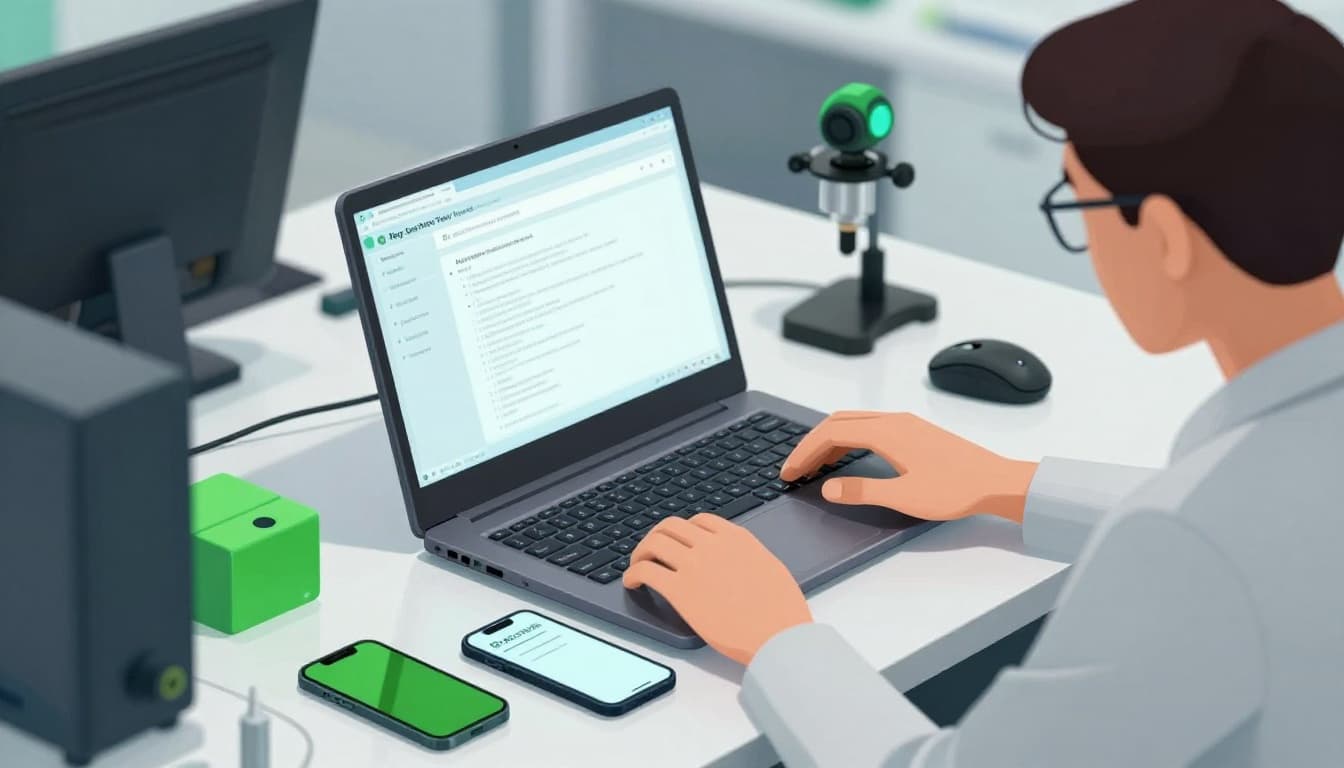
A strong consultant rarely does one thing. They move across devices, accounts, and records, then connect the dots.
- Computer forensics pulls data from desktops, laptops, and servers, then shows what changed and when.
- Mobile device forensics looks at texts, app data, call history, photos, and location artifacts.
- Email investigations help trace messages, attachments, forwarding rules, and mailbox misuse.
- Insider threat investigations focus on data theft, policy abuse, and unusual account activity.
- Ransomware or breach support helps identify entry points, scope of damage, and signs of exfiltration.
- Expert witness testimony turns the technical findings into clear, defensible statements for court or arbitration.
In 2026, these cases often involve cloud records, AI-assisted review, and encrypted apps. That means the consultant needs current tools and a careful process, not just a general cyber background.
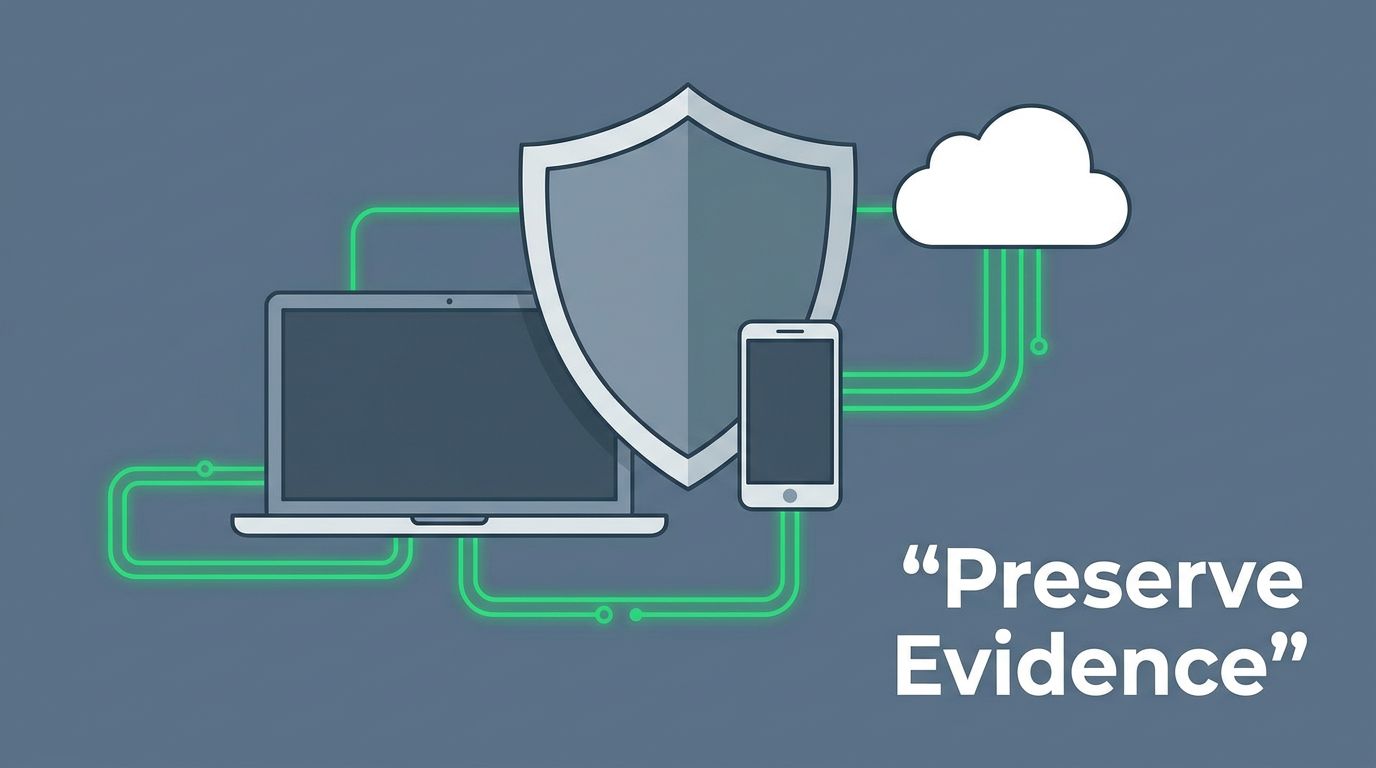
Preserve first, analyze second. If the original data is altered too early, the whole case can become harder to defend.
What separates a strong consultant from a weak one
Good credentials help, but process matters more. The consultant should be able to explain how they collect evidence, protect originals, and document every step.
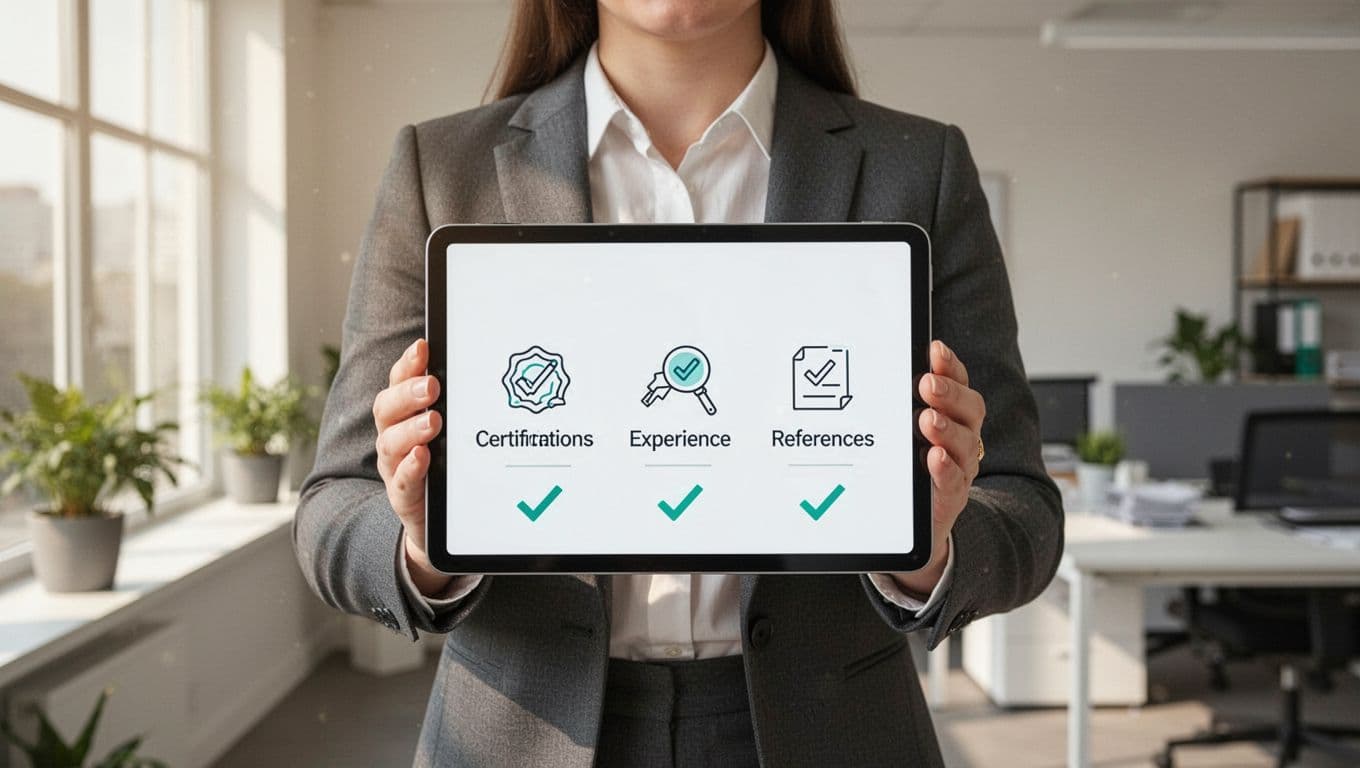
For legal teams, the Office of Justice Programs guide on evaluating digital forensic expert witnesses is a useful outside reference. It reinforces the same theme, method matters.
Look for these signs:
- Evidence handling is clear, written down, and easy to follow.
- Relevant case experience matches your problem, not just broad cybersecurity work.
- Reporting quality turns technical facts into plain language and useful exhibits.
- Confidentiality controls cover storage, access, and sharing.
- Response time is fast enough to protect volatile data.
- Court readiness is real, with testimony experience and calm cross-exam skills.
If the consultant cannot explain how they protect originals, keep looking. If they rush past chain of custody, that is another warning sign. Strong experts welcome hard questions because their methods can stand up to them.
How to hire one without slowing the case
A fast hire should still be careful. Start with the scope, then narrow the search to people who can meet it.
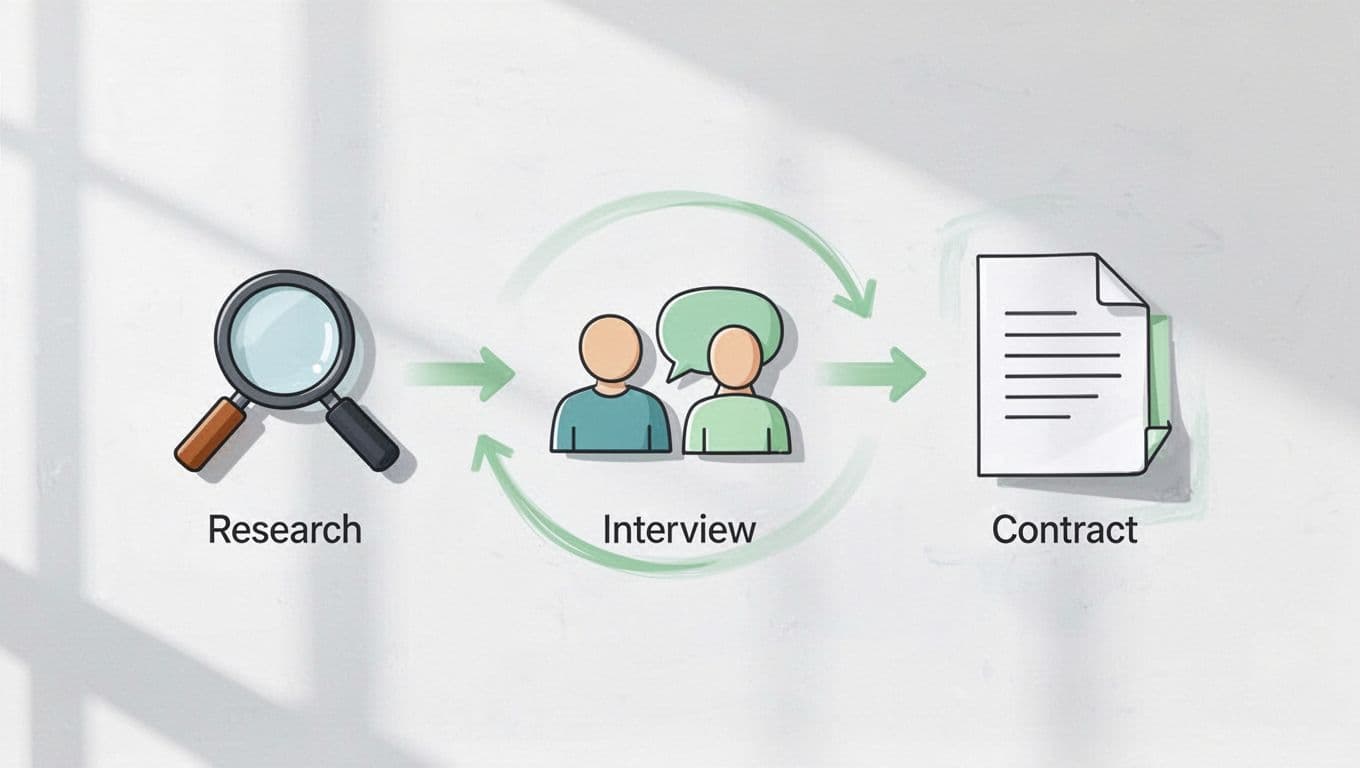
- Define what happened, what data may exist, and what deadline you face.
- Share any preservation holds or legal instructions before anyone touches a device.
- Ask how they handle imaging, logging, cloud access, and mobile extractions.
- Confirm deliverables, timelines, confidentiality, and who will own the final report.
If testimony may be needed, ask how they prepare exhibits and explain findings under pressure. Cellebrite’s best practices for testifying in digital forensics cases is a good example of the level of preparation serious matters demand.
When the case is sensitive or time-bound, you may also want help sourcing the right specialist in the first place. You can Book a Discovery Call with Bud Consulting to talk through the kind of expertise that fits your situation.
Choose the consultant who protects the record
The safest hire is usually the one who is calm, methodical, and fast. They preserve evidence, keep the work confidential, and explain the findings in a way your team can use.
If a digital forensics consultant can do that well, your case starts from solid ground instead of guesswork.