table of contents
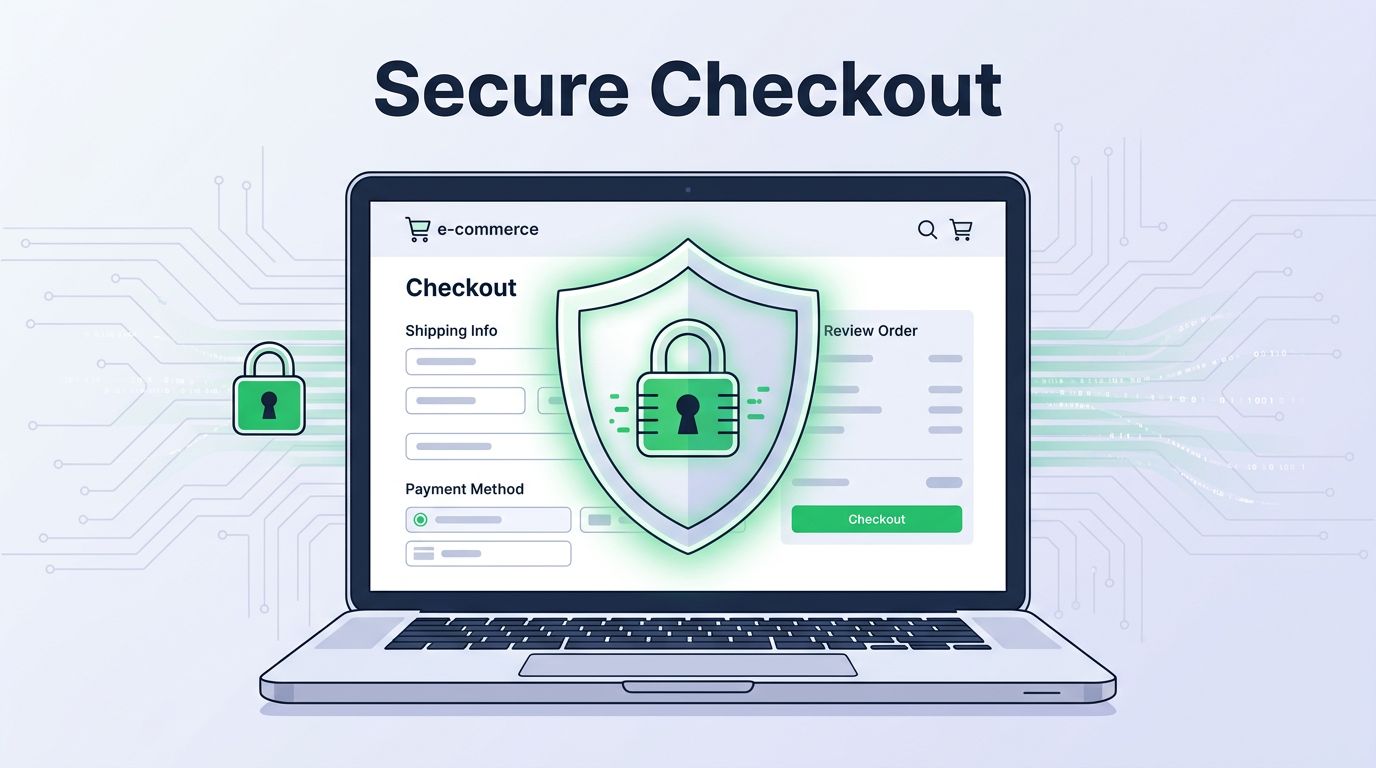
A checkout page can hide more risk than a whole homepage. One weak script, one missed permission, or one sloppy vendor setup can expose payments, accounts, and sensitive customer information.
That’s why ecommerce cybersecurity consultants matter for retail cybersecurity. The right firm helps you protect revenue, not just pass audits. In 2026, the best teams combine PCI-DSS compliance, web app testing, fraud control, cloud security, and incident response.
Key Takeaways
- Ecommerce cybersecurity consultants protect revenue through PCI-DSS compliance, payment script monitoring, penetration testing, fraud/bot mitigation, and incident response tailored to online stores.
- Top fits include Atlant Security for mid-market brands, Turaco Labs for small stores needing fast fixes, Trustwave for IR depth, and Imperva for high-traffic bot/DDoS defense.
- Match firm to store size: Turaco or Atlant for small (quick PCI help), Atlant or Trustwave for mid-market (balanced audits), Trustwave or Imperva for enterprise (scale and complexity).
- Vet pitches by asking specifics on payment flows, platform expertise, retesting, and verification—strong answers detail evidence and timelines over generic compliance talk.
What a strong ecommerce security consultant should cover
Ecommerce security goes beyond a monthly scan. A strong consultant starts with security risk assessments to map how money flows through your store, then protects every step against threats like data breaches and phishing attacks.
That usually means online payment fraud prevention, checkout script review, cloud access control including multi-factor authentication, web app and API security testing, bot mitigation, and a plan for incidents. If a firm only talks about broad compliance, it may miss the attack paths that hurt online stores most.
Look for help with these core areas:
- PCI DSS scope and evidence, so your team knows what truly needs control.
- Payment script monitoring, because skimming attacks often start in the browser.
- Penetration testing and retesting, so fixes don’t stop at the first report.
- Fraud and bot mitigation controls, because fake orders and account abuse can drain margin.
For a wider market view, compare options in Best PCI-DSS Compliance Consultants in 2026. It helps separate real ecommerce support from generic compliance talk.
The best ecommerce cybersecurity consultants, by fit
If you want a broader shortlist, Atlants’ top 25 ecommerce cybersecurity companies guide is a useful starting point. For a faster decision, this comparison keeps the focus on practical fit.
| Firm | Best fit | Strengths | Limits |
|---|---|---|---|
| Atlant Security | Mid-market ecommerce brands | Ecommerce-focused consulting, PCI readiness, security audits, virtual CISO services | Smaller public footprint than global firms |
| Turaco Labs | Small stores that need fast fixes | Malware protection, vulnerability assessment, file integrity monitoring, PCI DSS v4 automation | Smaller firm, fewer public enterprise references |
| Trustwave | Teams that need IR and compliance depth | Consulting, threat intelligence, cyber advisory, global support | Can be expensive for smaller stores |
| Imperva | High-traffic stores | Web application firewall, bot mitigation, DDoS protection, API security | Setup can be complex, pricing can rise |
Atlant Security
Atlant Security is a strong fit when you need ecommerce-specific help without building a huge internal team. Its ecommerce cybersecurity services page points to ecommerce platform security, payment protection against online payment fraud, access management, and control coverage across common tools.
That matters for Shopify, WooCommerce, and Magento stores that have grown in layers. The upside is breadth, since it can cover security audits, cloud security, and virtual CISO services. The tradeoff is scale. It reads more like a focused consulting shop than a giant global provider.
Turaco Labs
Turaco Labs is a good match for smaller ecommerce teams that want clear monitoring and less noise. Its ThreatView scan page centers on malware protection, vulnerability assessment for Shopify security, file integrity monitoring, payment script checks, and automated PCI DSS v4 compliance.
That makes it appealing when you need visible wins fast. It can help a lean team spot checkout tampering and hidden code changes. The limitation is simple, it’s a smaller firm, so enterprise buyers may want more proof of scale.
Trustwave
Trustwave works well when ecommerce risk overlaps with a larger security program. Its consulting and professional services and cyber advisory pages show a broader advisory model with threat intelligence for information security, plus incident response, threat hunting, and support for data breaches.
That is useful for retailers that need more than point fixes. If you have multiple stores, internal politics, or a recent breach, Trustwave’s depth can help. The downside is cost. Smaller brands may find the engagement heavier than they need.
Imperva
Imperva belongs on enterprise shortlists when traffic spikes and automated attacks are a daily problem. It stands out for its web application firewall, AI-powered security with bot mitigation, and DDoS protection around checkout and API traffic.
That makes it a smart option for big catalogs and complex storefronts. Still, it often needs stronger internal help to tune well. If your team is small, the setup can feel demanding.
How to match the firm to your store size
The right choice often comes down to team size, not just brand name. A small store needs speed. A mid-market brand needs balance. An enterprise retailer needs scale and control.
| Store size | Best fit | Why it works |
|---|---|---|
| Small | Turaco Labs or Atlant Security | Faster fixes, clearer PCI help with compliance regulations, lighter engagement |
| Mid-market | Atlant Security or Trustwave | Good mix of consulting, audits, and response work |
| Enterprise | Trustwave or Imperva | Better fit for high traffic, complex stacks, and response needs |
Small brands usually need a consultant who can spot the big problems first, plus cybersecurity training for teams with limited expertise. Mid-market teams need someone who can tie payment risk to cloud access, app security, and AI-powered security. Enterprise teams should look for deep incident response, strong bot defense, credential theft protection, and account takeover prevention.
Frequently Asked Questions
What should a strong ecommerce cybersecurity consultant cover?
They start with risk assessments mapping payment flows, then handle PCI-DSS scope, script monitoring against skimming, pen testing with retests, fraud/bot controls, and incident plans. Broad compliance talk misses ecommerce-specific threats like checkout tampering. Prioritize firms with Shopify, Magento, or WooCommerce experience.
Which consultant fits small ecommerce stores best?
Turaco Labs or Atlant Security deliver fast malware scans, vulnerability assessments, PCI automation, and clear monitoring without heavy costs. They’re ideal for lean teams spotting issues like hidden code changes quickly. Larger firms like Trustwave may add unneeded expense and complexity.
How do I match a consultant to my store size?
Small stores need speed from Turaco or Atlant; mid-market brands balance with Atlant or Trustwave; enterprises require scale from Trustwave or Imperva for traffic and stacks. Consider team expertise, traffic volume, and needs like bots or IR. This ensures practical fit over brand hype.
What questions reveal a good consultant pitch?
Ask how they secure your payment flow, define PCI evidence, handle retesting timelines, and work with your platforms or cloud teams. Strong responses give specifics on fixes, verification, and risks in plain language—not polished overviews. If they can’t explain simply, they likely won’t secure well.
Questions that separate a good pitch from a weak one
If a consultant can’t explain your payment flow in plain language, they probably won’t secure it well.
Before you sign, ask how they handle script monitoring, PCI scope, retesting, incident response, network assessments, and information security. Also ask which ecommerce platforms they know best, and how they work with cloud teams and developers.
A strong answer should sound specific, not polished. You want details about evidence, timelines, and how fixes get verified.
If your gap is talent as much as tooling, Book a Discovery Call with Bud Consulting and ask how advisory support, security risk assessments, cybersecurity training, and senior security hiring can work together.
The best ecommerce security partner won’t just guard the store. It will help you shrink risk where sales actually happen, in checkout, in accounts, and in the systems behind them, through retail cybersecurity that protects sensitive customer information against phishing attacks and data breaches.