table of contents
A fake CEO email can look routine for the first few seconds. That short pause is where business email compromise wins.
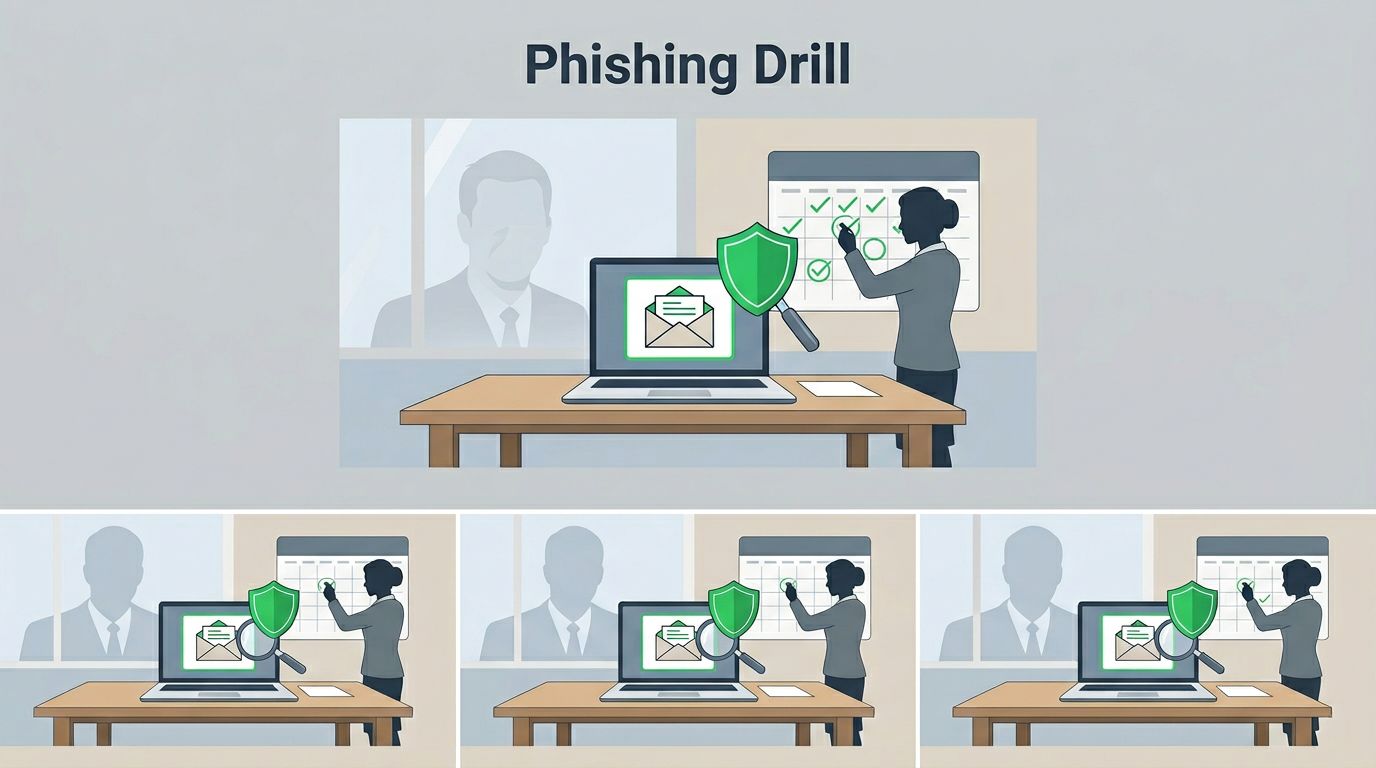
Executive assistant phishing drills give support teams a safe way to practice that pause. They train people to slow down, check the story, and verify before they act. The best drills don’t chase clicks alone. They test judgment, callback habits, and how well a team handles pressure.
Why executive assistants get targeted first
Support roles sit close to money, calendars, travel, and executive access. That makes them high-value targets for impersonation. In 2026, business email compromise still drives billions in losses, and attackers keep mixing email with phone calls, texts, and AI-made voices.
That mix matters because a message can look familiar, sound urgent, and arrive at the right moment. For a quick overview of how these attacks keep changing, see AI executive impersonation attacks.
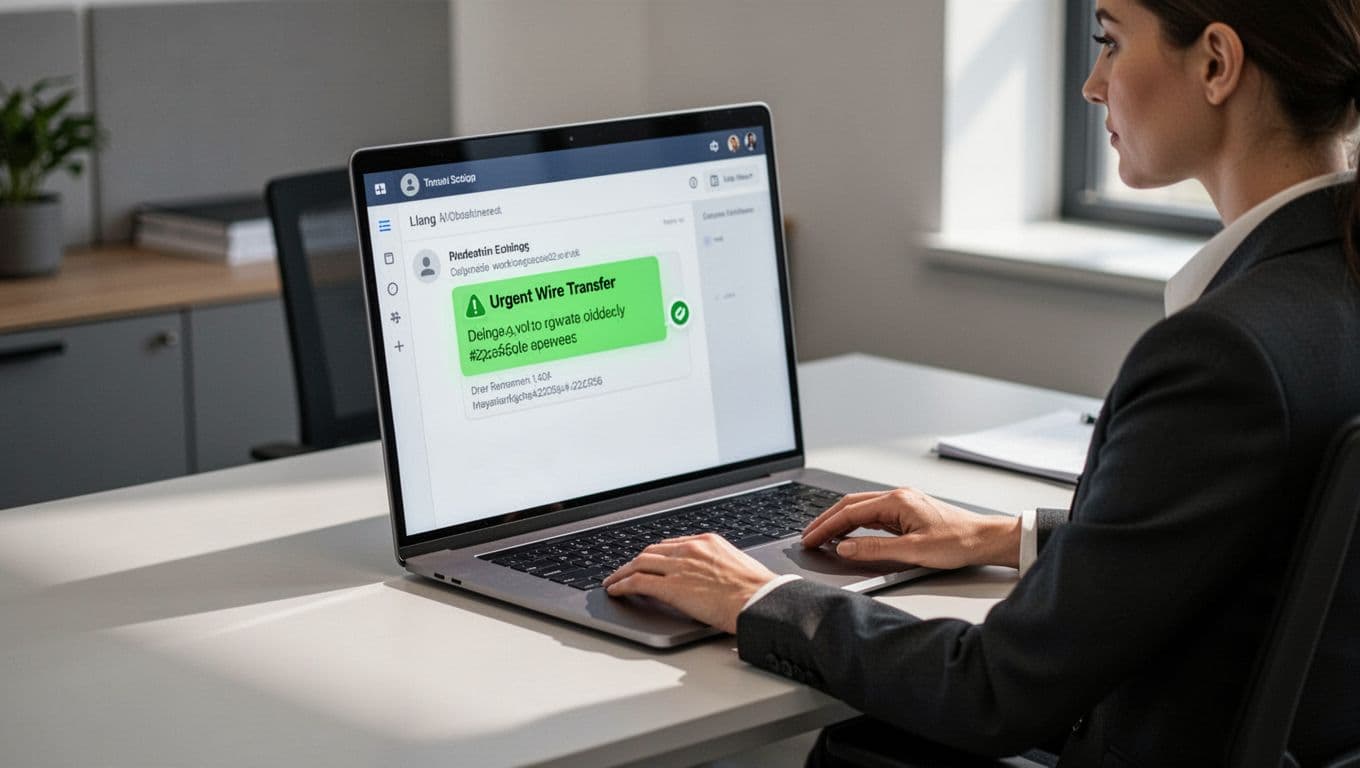
Red flags that should stand out
A good drill should plant clues that match real impersonation attempts. For example:
- An urgent request tied to a board meeting, travel, or payroll deadline.
- A change in bank details, payment method, or recipient name.
- A request to skip the usual approval chain.
- A tone shift that feels stiff, rushed, or too private.
- A callback number or personal email that the organization never uses.
When assistants learn to spot these patterns, they are less likely to treat urgency as proof.
Design drill scenarios that mirror real BEC attempts
The most useful exercises copy real work, not generic spam. They should feel like a normal Tuesday with one thing slightly off.
| Scenario | What the attacker wants | What the drill checks |
|---|---|---|
| CEO asks for a wire before a meeting | Fast payment to a new account | Callback to a known number, finance approval |
| Vendor sends new bank details mid-thread | Invoice reroute | Payment change controls, thread review |
| Executive texts from a new number | Private data or gift cards | Out-of-band confirmation, escalation path |
These scenarios work because they test the habits that matter. They also expose where people trust the channel more than the request.
Place the drill in a normal window, then vary the pressure. Use end-of-day timing, travel days, and executive absences. Those are the moments when support teams are most likely to move fast. For drill structure and feedback ideas, phishing simulation best practices offer a solid model.

The best drill feels ordinary until the moment a person decides to verify.
Build the verification steps into the habit
A drill only helps if it reinforces the same safe response every time. That means clear steps, known contacts, and no guesswork.
Start with out-of-band confirmation. If a request changes money, access, or secrecy, the assistant should switch channels. A known phone number, secure chat path, or in-person check is better than replying to the suspicious email.
Next, lock down callback procedures. The assistant should never use the number inside the message. They should pull the number from a trusted directory, an internal profile, or a verified contact list.
Payment change controls matter just as much. A new bank account, revised beneficiary, or last-minute invoice update should trigger a second approval. For deeper control ideas, the AI-enhanced BEC guide gives a useful view of payment-fraud defenses.
Executive request validation should also be explicit. If the message asks for secrecy, pressure, or a break from normal process, the answer is simple: verify first, act second.
Measure behavior, not just clicks
Click rates only tell part of the story. A strong program tracks how people respond after the first look.
Watch these signals after each drill: how fast the message gets reported, whether the assistant uses the right callback path, whether the request reaches finance or security, and whether the team repeats the same mistake later. Those numbers show habit change.
The reporting flow also matters. Programs that work well share three habits: realistic lures, instant feedback, and a clear way to report suspicious mail. If you need a role-specific plan built around executive workflows, you can Book a Discovery Call with Bud Consulting.
Your executive assistant phishing drills checklist
A concise checklist keeps the program practical and repeatable.
- Use executive names, vendor names, and normal business language.
- Add one clear red flag, like a changed bank account or urgent secrecy.
- Require a known callback number for every high-risk request.
- Test the handoff to finance, IT, or security when needed.
- Give fast feedback so the assistant sees what was missed.
This checklist works best when it fits the real approval path. If the drill ignores how your team actually works, people will treat it like theater.
Executive assistant phishing drills work when they train one habit above all others: verify before you trust the request. That habit matters most when the message looks normal and the timing feels urgent.
The next fake CEO email, wire change, or private text should meet a calm callback, a known process, and a team that knows exactly what to do.