table of contents
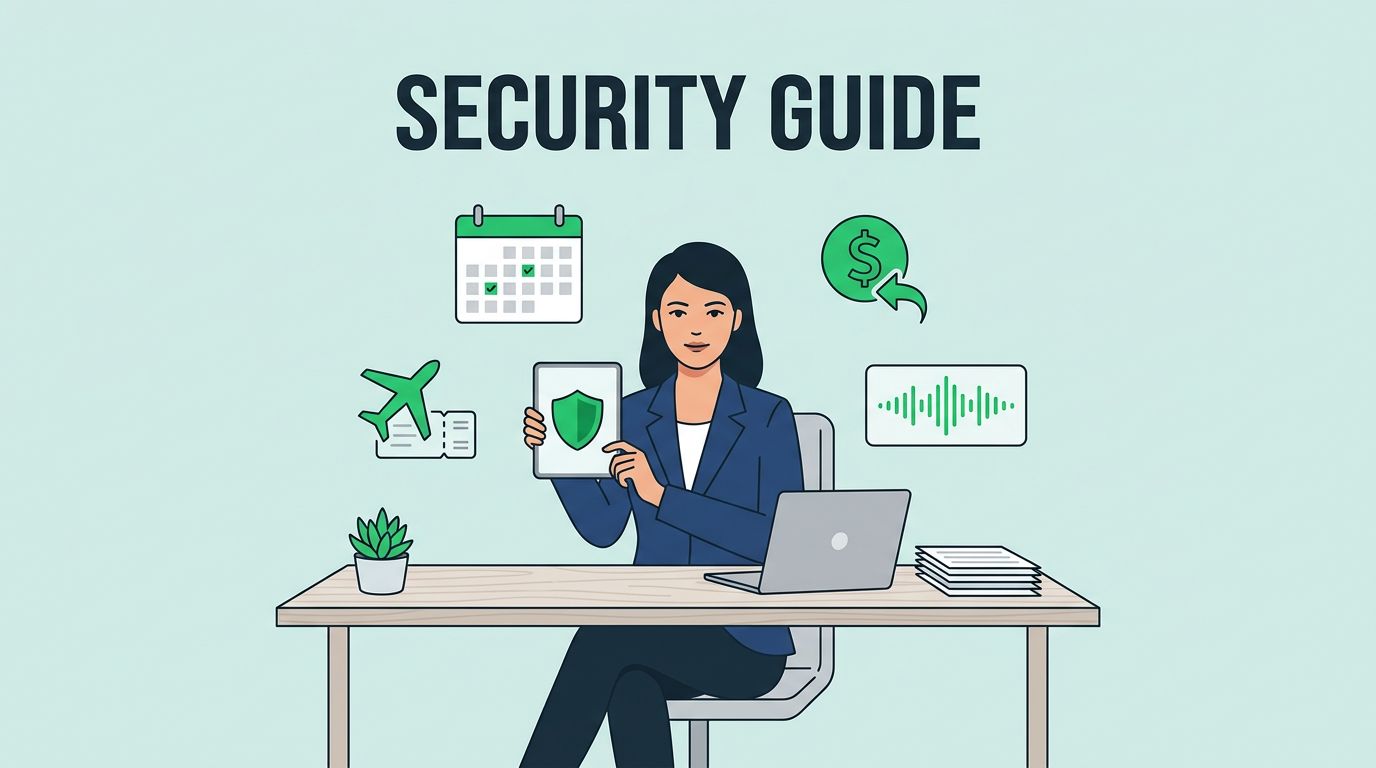
Executive assistants sit close to the people, files, and payment requests attackers want most. That makes a security awareness guide more than a policy document, it becomes a daily work tool.
In 2026, impersonation scams are cleaner and faster, especially when AI voice or email text is involved. A good guide helps assistants slow down pressure, verify requests, and escalate the right issues before damage starts.
Start with the risks executive assistants face
The best guides start with real tasks, not generic warnings. Executive assistants handle calendars, travel, vendor contact, confidential files, and often payment support, so attackers aim straight at those workflows.
In April 2026, Nextgov reported that FBI complaints about official impersonation nearly doubled in 2025, with losses around $800 million. That matters here because the same playbook works against executive teams. For a current federal example, see the FBI IC3 alert on impersonation scams.

Build your guide around the requests assistants see most often:
- Urgent wire or payment requests that ask for speed and secrecy.
- Executive impersonation by email, chat, text, or phone.
- Travel changes that include a new booking link or changed hotel details.
- Confidential document requests for payroll, contracts, board packs, or HR files.
- Fake meeting invites that ask you to click, sign in, or approve something fast.
A deepfake is synthetic audio or video that mimics a real person. In practice, that means a voicemail or video call can sound and look convincing enough to rush a decision.
If a request feels urgent and secret, treat it as higher risk until it passes a second check.
Write verification steps that are hard to skip
A guide only works when it tells people exactly what to do next. Vague advice like “be careful” gets ignored under pressure.
NIST’s identity verification guidance focuses on confirming a person through trusted evidence, not just trusting what they claim in a message. That same idea works well for assistants, verify through a known path, not the request itself.

Write the process in plain language, then keep it short enough to use in a hurry:
- Pause the request. Do not act on any money, file, or login request right away.
- Check the channel. Look at the sender address, phone number, calendar invite, or chat handle.
- Call back using a known number. Use a saved contact, corporate directory, or official vendor number.
- Compare the details. Match the request to past behavior, approved vendors, or the executive’s normal process.
- Add a second approval step. Money, legal files, and sensitive data should need a second person.
- Record the outcome. Note who verified it, when, and how.
A strong guide also names the exception rules. For example, no wire transfer moves forward without voice callback and finance approval. No file leaves the company if the request comes through a new email thread.
Define the response path before something goes wrong
A good security awareness guide does more than stop bad requests. It also tells people how to respond when something looks off.
Write the response section so it answers three questions: who to tell, what to save, and how fast to move. That keeps the next step clear when someone’s inbox is moving too fast.
If a request seems suspicious, the assistant should:
- Stop the action before money leaves or files are shared.
- Preserve the message by saving the email, screenshot, or chat thread.
- Report it right away to security, the chief of staff, finance, or the executive’s delegate.
- Warn finance fast if a payment was started or changed.
- Reset access quickly if anyone clicked a link or entered credentials.
- Log the incident so the team can spot patterns later.
The guide should also cover fake meeting invites. A calendar invite can carry a malicious link, hide an odd sender domain, or push a meeting at a strange time with urgent language. Assistants should review the attendee list, the reply path, and the attachment before they accept.
For a deeper look at how executive impersonation works, Valimail’s executive phishing examples can help you spot the patterns attackers use.
Keep the guide current with drills and real examples
Security guidance gets stale fast if nobody revisits it. Review the guide every quarter, and refresh it after a fraud attempt, a travel vendor change, or a new executive joins the company.
Use short practice drills. A fake urgent wire request, a travel change from a “new assistant,” and a confidential document request all make useful test cases. Keep the exercise simple, then watch where people hesitate.
That practice matters because hesitation often reveals the gap. If someone doesn’t know who to call or what to compare, the guide needs another round of edits.
If your team wants help turning this into a practical program for assistants and chiefs of staff, Book a Discovery Call with Bud Consulting.
A strong guide turns instinct into routine. It gives executive assistants a calm process for checking requests, escalating risk, and protecting the people they support.
In a role built on trust, verification is part of the job. That simple habit can stop the scam before it becomes a crisis.