table of contents
A scanner dump isn’t a remediation plan. It’s a pile of clues.
Most security teams don’t struggle with finding exposure. They struggle with turning noisy findings into work owners can act on. A strong exposure remediation plan cuts through that noise, ranks risk in business terms, and sets deadlines.
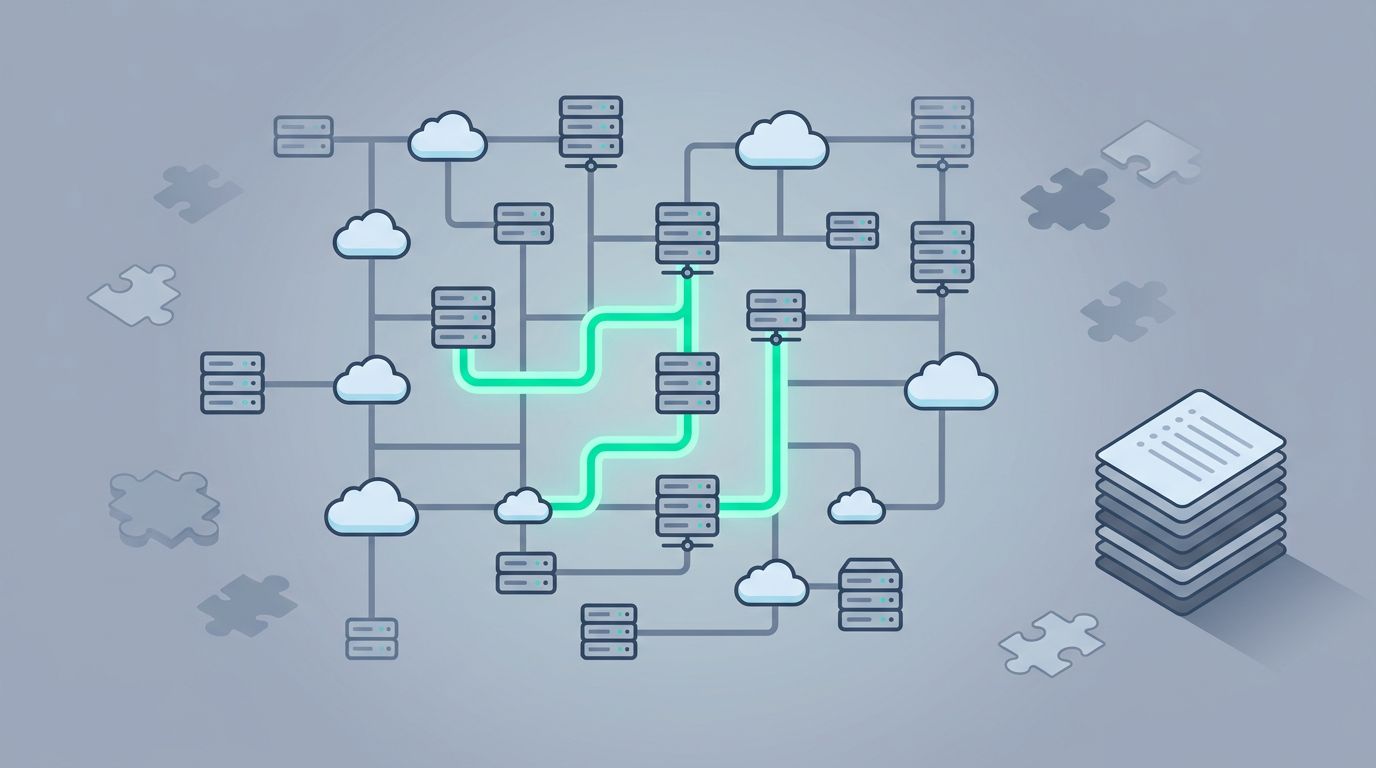
That shift starts when you stop treating every finding like a separate fire and start treating exposure like a set of attack paths.
Turn raw findings into a remediation-ready backlog
Raw exposure data is messy. Vulnerability scanners, CNAPP tools, EASM platforms, pen tests, and identity reviews all describe risk in different ways. If you pass that data straight to ops teams, you hand them a puzzle with half the pieces missing.
Start by normalizing findings into a single backlog. As Wiz’s overview of exposure management explains, the real question is not “what is vulnerable?” but “what is reachable and exploitable in this environment?”
Each record should include:
- the asset and owner
- whether the asset is internet-facing or on a known attack path
- exploit evidence, such as public exploit code or active abuse
- the business service, data type, and user impact
- the likely fix, such as patch, config change, decommission, or compensating control
Then group related findings by root cause. Ten CVEs on one exposed server may need one patch cycle. Three findings on a forgotten subdomain may need one action, take the asset offline.
A simple example makes the point. A critical CVSS issue on an isolated lab host may wait. A medium flaw on an internet-facing identity gateway may not. The second issue creates a shorter path to damage, so it belongs higher in the queue.
Prioritize severity against business impact
Severity matters, but it doesn’t decide priority on its own. Think of severity as the weather report and business impact as the map. Rain matters more when the river is already full.
Use a simple matrix that combines technical severity with business context. Good inputs include reachability, exploit maturity, privilege exposure, asset criticality, data sensitivity, blast radius, and ease of containment. This is the same logic behind vulnerability prioritization guidance.
Severity tells you how bad a flaw is in theory. Business impact tells you how much pain it can cause in your environment.

This also helps with external attack surface work. A forgotten marketing microsite with an outdated library may score high on severity, yet low on impact if it holds no data and no login path. In contrast, an exposed admin portal with weak access control may deserve immediate action, even if the underlying bug looks less dramatic on paper. For EASM, external attack surface management best practices help with ownership and review.
Keep the scoring model short. If it takes an analyst 10 minutes to score one issue, it won’t survive contact with a real backlog.
Build the roadmap with SLAs and owners
Once the backlog is ranked, turn it into work people can execute. That means clear actions, named owners, and deadlines that fit real change windows.
Most fixes fall into a small set of work types. Patch the software, change the configuration, remove public exposure, rotate credentials, restrict access, or retire the asset. Frame the plan around those actions, not around scanner IDs. This reduces ticket sprawl and gives teams a shared view of the work.
A workable ownership model is also simple. Security triages and validates. Infrastructure, cloud, and app teams fix their systems. Service owners approve downtime and exceptions. Risk or governance teams track accepted risk and overdue items.
A simple SLA model looks like this:
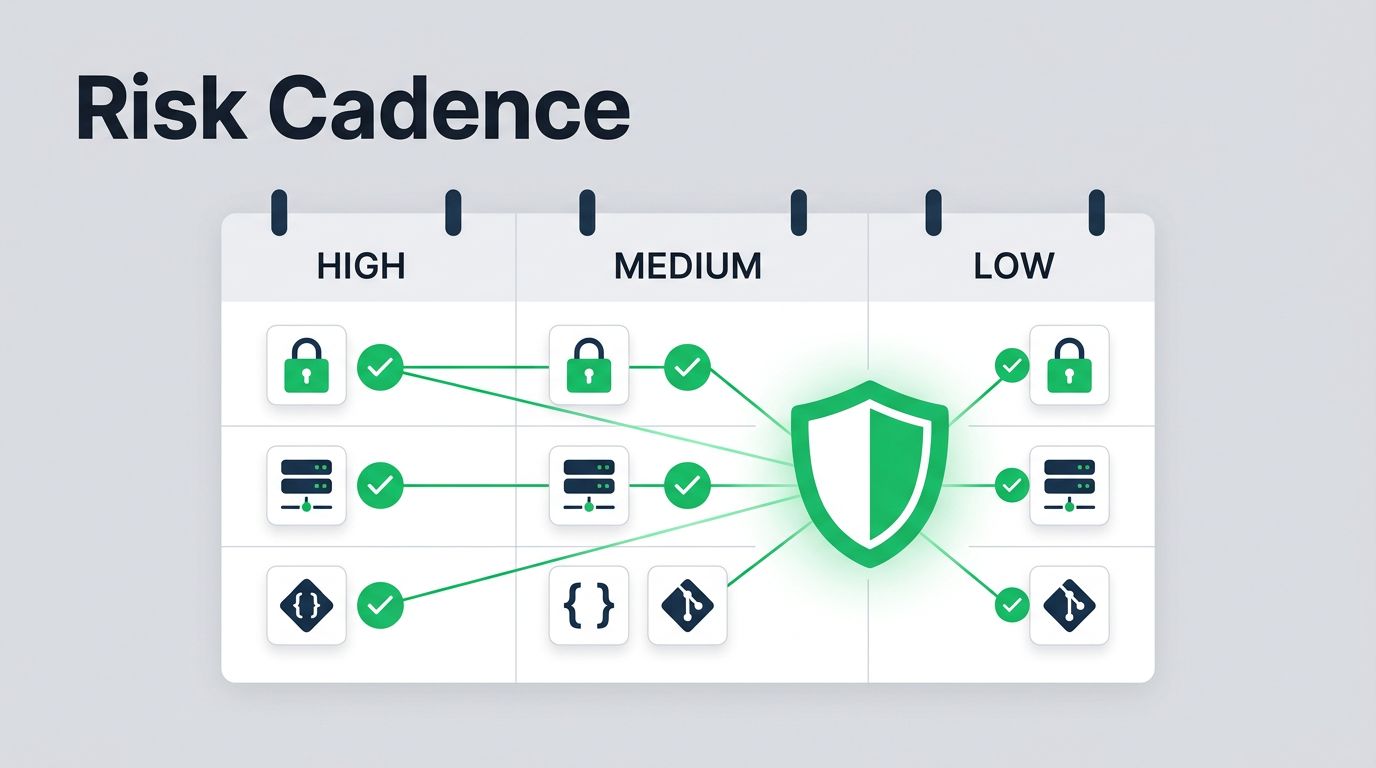
| Risk tier | Typical condition | Target SLA | Primary owner |
|---|---|---|---|
| Critical | Internet-facing, exploitable, key service | 24 to 72 hours | Infra or app owner |
| High | Reachable, privileged path, sensitive data | 7 to 14 days | Platform owner |
| Medium | Limited reachability, some controls exist | 30 days | System owner |
| Low | Low-impact asset, low exploit chance | 60 to 90 days | System owner or exception |
These are examples, not law. A critical flaw on a payment gateway may need same-day containment. A high-severity issue on a legacy system may need a compensating control first, then a patch at the next change window.
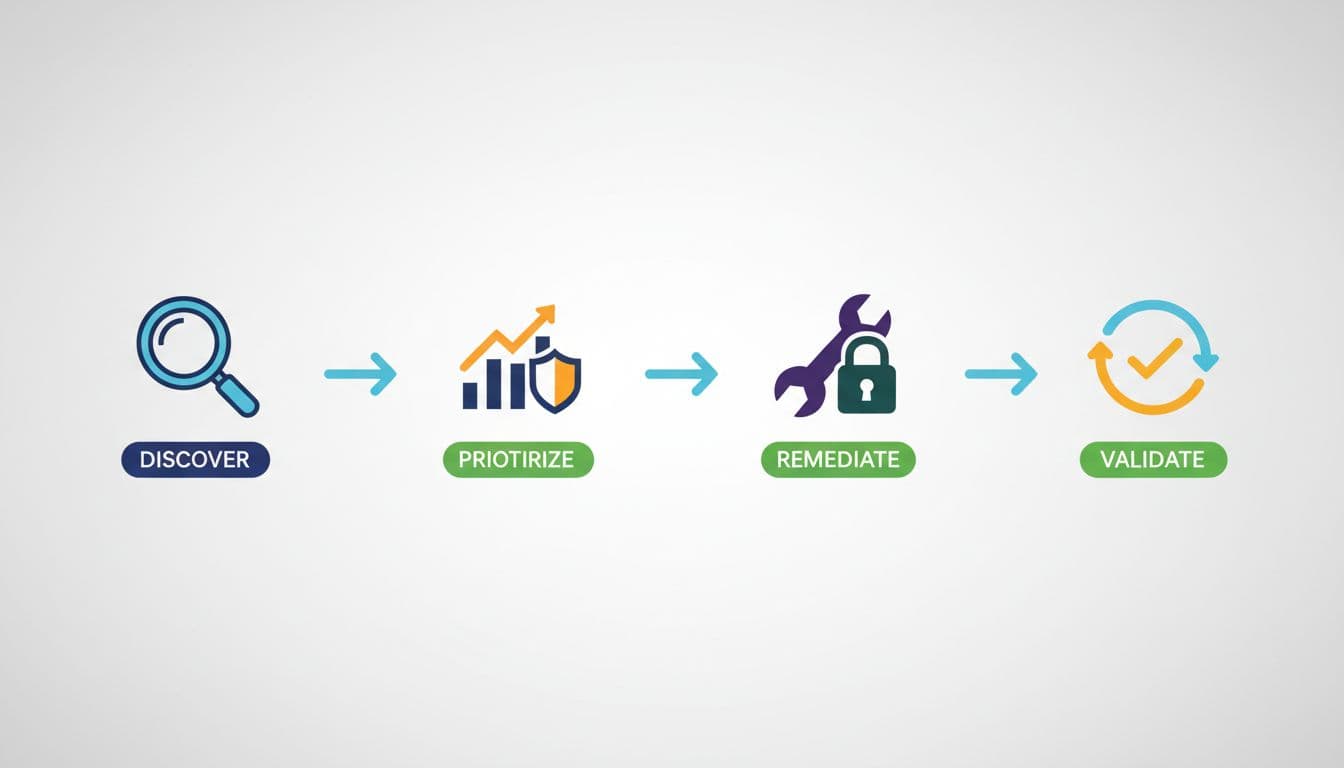
The best exposure remediation plan reads like an operations document, not a report. Every top item should show the business service at risk, the chosen fix, the owner, the due date, and how the team will validate closure.
Measure whether remediation reduced risk
Closed tickets don’t always mean closed exposure. A patch can fail. A host can reappear. A public endpoint can stay reachable after the change. Because of that, measurement has to focus on outcome, not activity.
Track a small set of metrics. Start with mean time to remediate by risk tier, SLA attainment, aged backlog over 30 days, reopen rate, and the count of critical exposures on internet-facing assets. Praetorian’s guide to mean time to remediate is useful here, and so is its broader take on security metrics and KPIs.
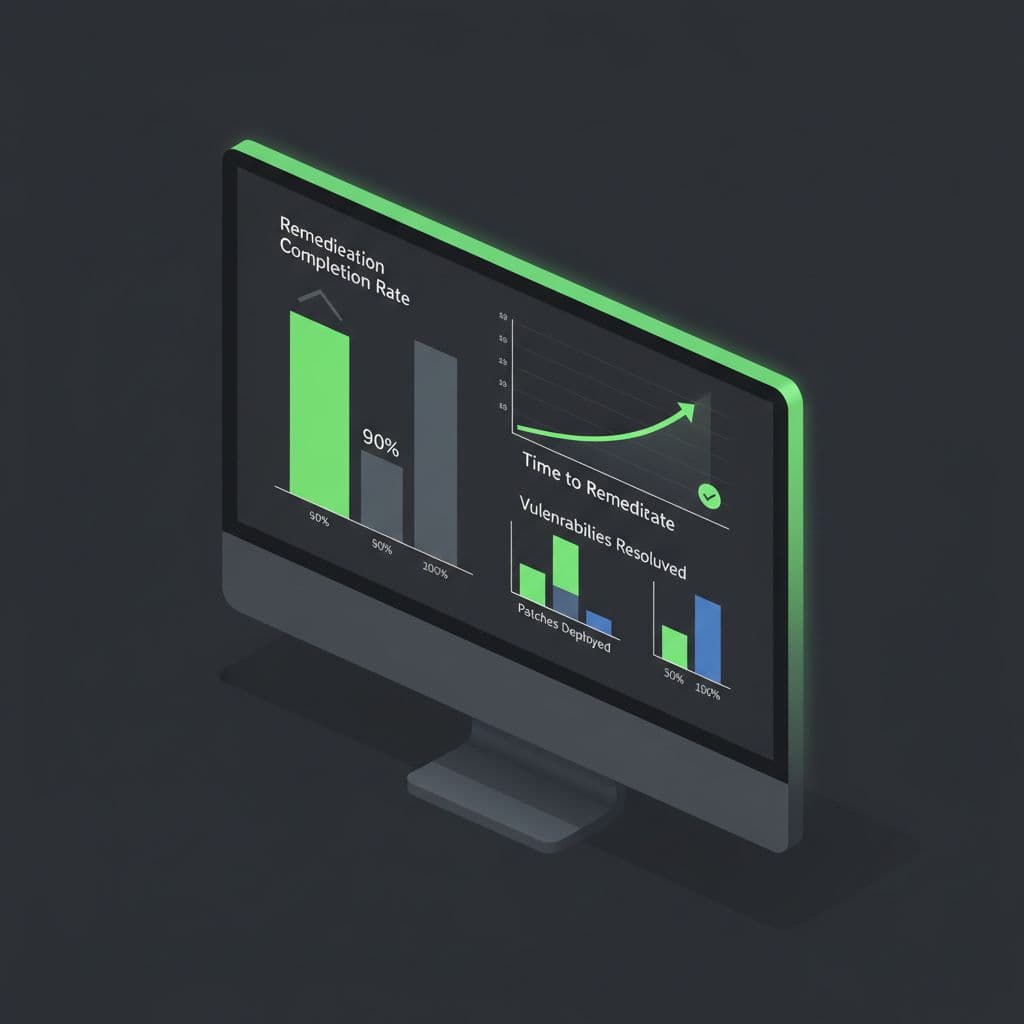
Then add one outcome metric that leaders care about. For example, track the number of exploitable attack paths to crown-jewel assets before and after remediation. If you closed 300 findings but the same path still reaches domain admin or production data, the program did work without lowering risk.
Validation matters just as much. Re-scan the asset, retest the path, and confirm the compensating control works. Otherwise, the plan becomes a paper exercise.
A scanner dump becomes useful only when it turns into owned, time-bound risk reduction.
If your current exposure remediation plan still looks like a spreadsheet of findings, rewrite the top 20 items into attack paths, business services, owners, and due dates. That one change usually tells you what needs fixing first.