table of contents
In cybersecurity hiring, speed matters because risk doesn’t wait. An open SOC seat can slow alert triage. A missing cloud security specialist can hold up launches or leave identity gaps in place.
The pressure is still high in 2026. Recent reporting shows a deep cyber skills shortage, especially in cloud, identity, and AI-related work. The teams that fill roles faster don’t lower the bar. They remove friction, widen the pool, and make decisions with more discipline.
Fix the role before you fix the pipeline
Time to fill starts when a requisition opens. Time to hire usually starts when a candidate enters the funnel. That gap matters. You can cut interview days and still lose weeks if intake, scope, and approvals are loose.
Start with a one-page hiring scorecard. Keep it practical. Define the business problem, the first 90-day outcomes, must-have skills, nice-to-haves, pay band, work model, on-call needs, and who signs off on the offer. If the hiring manager can’t explain what success looks like in plain terms, the search isn’t ready.
If a cyber role stays open for months, the delay often started with role design, not sourcing.
This quick calibration helps teams stop chasing the wrong profile:
| Role | Screen first for | Common filter to drop |
|---|---|---|
| SOC analyst | Alert triage, SIEM basics, shift fit | 5+ years, every SIEM tool |
| Security engineer | Scripting, control design, fix workflow | Long cert list |
| Cloud security specialist | One cloud, IAM, IaC review | Deep skill in all clouds |
| GRC analyst | Control mapping, evidence, writing | Every framework under the sun |
The pattern is simple. Screen for work that matches the seat, not a wish list.
That matters because long vacancies cost more than recruiting time. Recent reporting on the hidden costs of long time-to-fill shows many cyber roles still take one to three months or longer to close. So the fastest improvement often comes from tighter intake, not more job ads.
Use skills-based screening to open more qualified pipelines
Too many teams still hire resumes instead of people. Degree filters, exact title matches, and tool-by-tool checklists shrink the market before sourcing even starts. A skills-based approach does the opposite. It focuses on what the person can do now, and what they can learn quickly.
The NIST guidance on skills-based talent management is a strong reference here. It pushes teams to define the work clearly, then assess the skills tied to that work.

For a SOC analyst, that might mean a 20-minute alert triage exercise. For a security engineer, ask for a short walk-through of a control design or a simple script sample. A cloud security specialist can review an IAM policy or Terraform snippet. A GRC analyst can map a control gap to a risk statement and remediation plan.
Keep these screens short and scored. A 30-minute job-related exercise beats a four-round guessing game.
Also, widen the pool with adjacent talent and internal mobility. A strong systems admin can step into a junior security engineer role. An IT auditor may move into GRC. A network analyst can grow into the SOC with the right training path. In a tight market, that shift matters. Recent 2026 cybersecurity hiring trends show demand remains strong in cloud, identity, and fraud-related roles. Waiting for perfect title matches only adds delay.
Set interview SLAs and use tech to remove lag
Candidates rarely drop out because they dislike security work. More often, they leave because the process feels slow, vague, or repetitive. Good people read your hiring process the same way they read an incident response plan. If it looks messy, they assume the day job will be messy too.
Set clear internal service levels. Resume review should happen within 48 hours. Recruiter screens should land within three business days. Technical panels should be booked within five. Debriefs need to happen the same day, and comp approval should be ready before the final round.
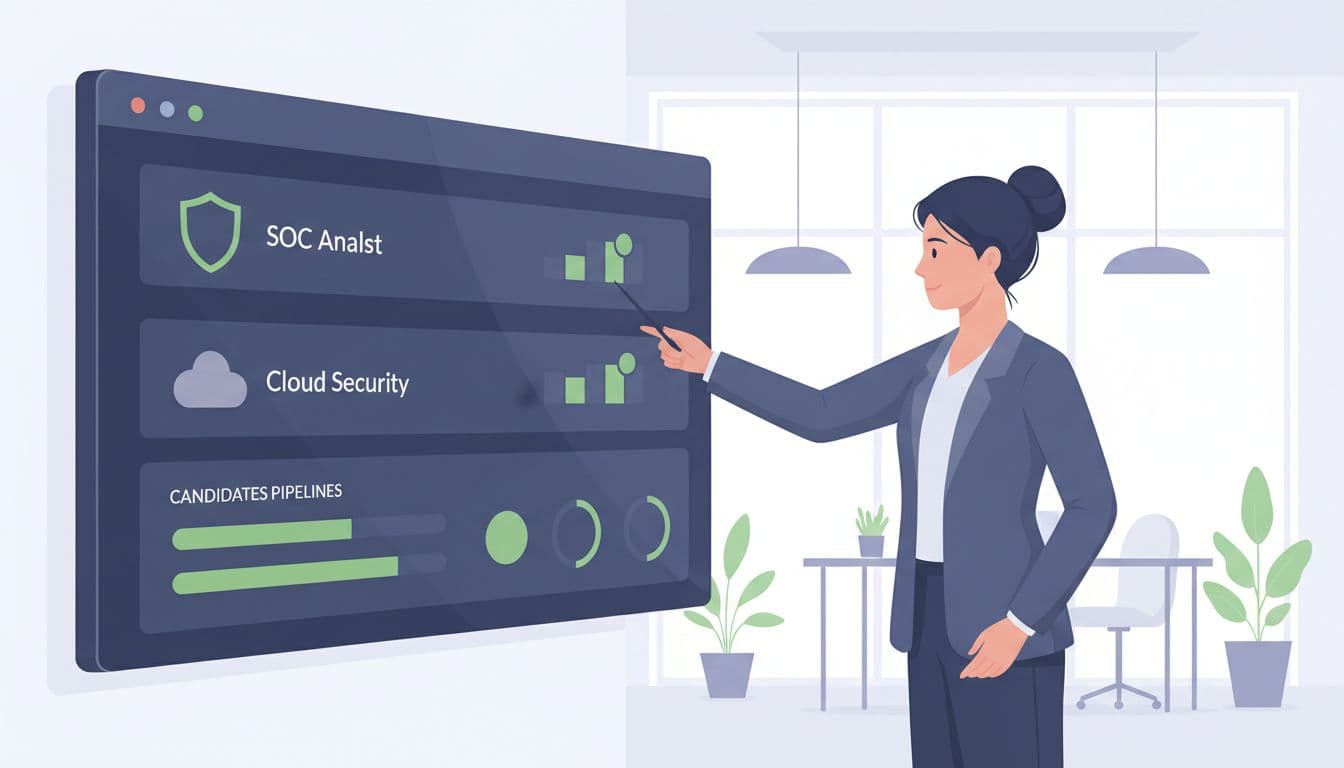
Structured interviews help because each interviewer owns a lane. One person tests technical depth. Another covers collaboration. A third reviews judgment and communication. That cuts repeat questions and speeds up decisions without weakening quality.
Technology also helps, if you use it to remove admin work. Good recruiting systems can automate scheduling, flag stalled candidates, re-surface past applicants, and show where delay sits by role or stage. If cloud security candidates keep dropping after panel two, fix panel two. If GRC offers stall in approvals, fix approvals.
Finally, keep offer terms ready early. In a more competitive market for hiring cybersecurity engineers in 2026, pay and speed work together. A fast process won’t save a weak package. For niche searches, such as senior security engineers or cloud security specialists, a cyber-focused recruiting partner can also cut search time because they already know the market and the talent map.
Fast cybersecurity hiring comes from fewer delays, not lower standards
Reducing time to fill doesn’t mean rushing. It means removing waste. Clear role design, skills-based screening, internal mobility, and faster decisions will do more than posting the same job in more places. Review your last five cyber hires, find where the days were lost, and fix that step first. That’s how cybersecurity hiring gets faster without getting weaker.