table of contents
Finance and HR hold some of the most sensitive data in the company, so one rushed email can become a real incident fast. A fake wire request, a payroll change, or a W-2 ask can move money or expose employee records before anyone notices.
That is why tabletop exercises matter. They show where people hesitate, where handoffs break, and where policy sounds stronger than it is.
Why Finance and HR need tabletop exercises
Finance and HR sit at the center of trust. They process payments, change bank details, approve benefits, and handle tax forms. Attackers know that. So do careless insiders.
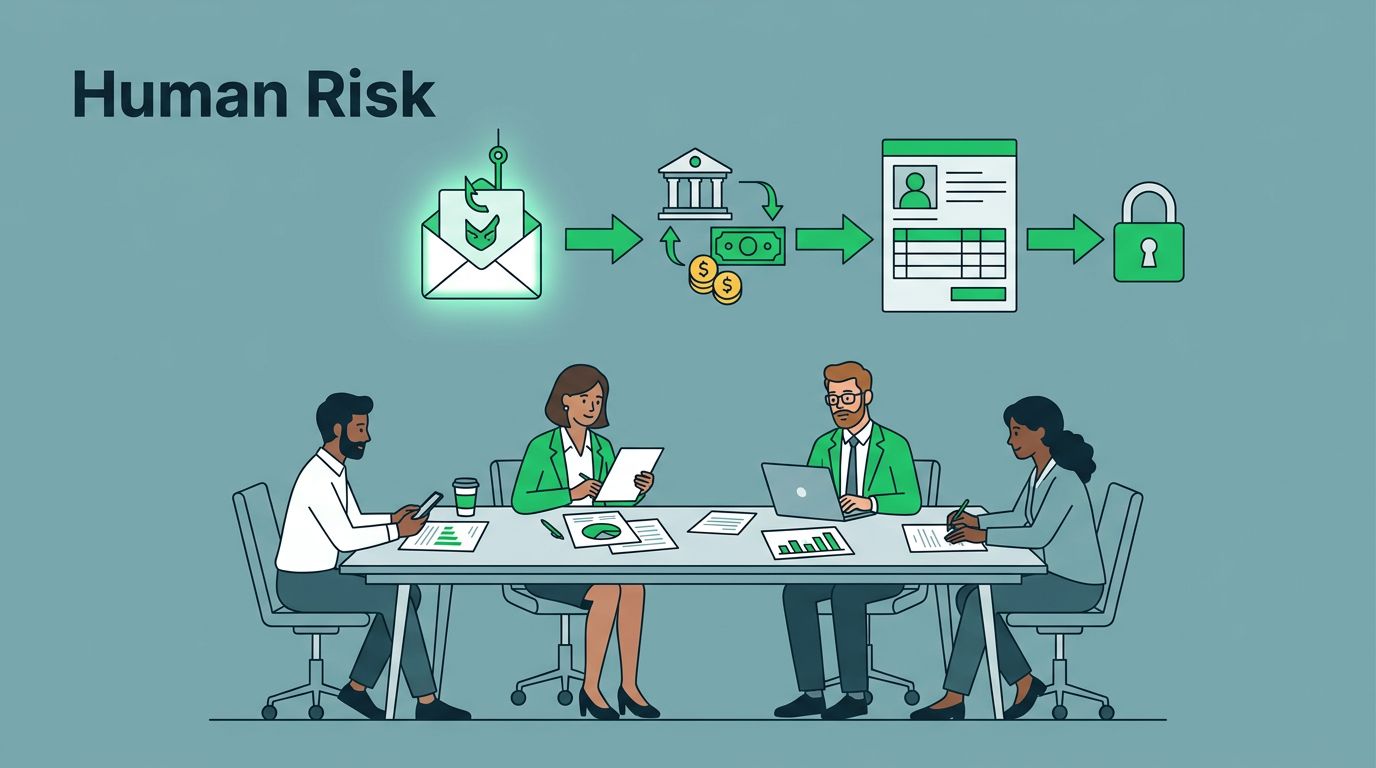
When those teams practice together, they see how one request moves across the business. Security may spot the phish, but Finance often handles the money. HR may hold the data, but Legal may decide disclosure. Compliance may need the record, and IT may need to lock the account.
That mix matters because human risk is cross-functional. A good exercise shows where a small delay turns into a costly mistake.
For a practical starting point, Sophos has a clear guide to running a cybersecurity tabletop exercise. It helps teams prepare without turning the session into a lecture.

Scenarios that expose human risk fastest
Start with scenarios that look ordinary on the surface. Those are the ones most likely to slip through.
| Scenario | What it looks like | First team to act |
|---|---|---|
| Payroll diversion | An employee or executive asks to change direct deposit details at the last minute | HR, Payroll, then Finance |
| W-2 or tax data request | A fake executive asks for employee tax forms or Social Security numbers | HR, Payroll, Legal |
| Executive impersonation | A “CEO” pushes for an urgent wire or vendor bank change | Finance, Security |
| Benefits fraud | Someone tries to change dependents, beneficiaries, or medical coverage with shaky proof | HR, Compliance |
| Sensitive data exposure | A file with employee data goes to the wrong inbox or shared folder | HR, IT, Legal |
The IRS has warned payroll and HR teams about fake executive requests in its W-2 phishing alert. That scenario should be in every Finance and HR exercise calendar.
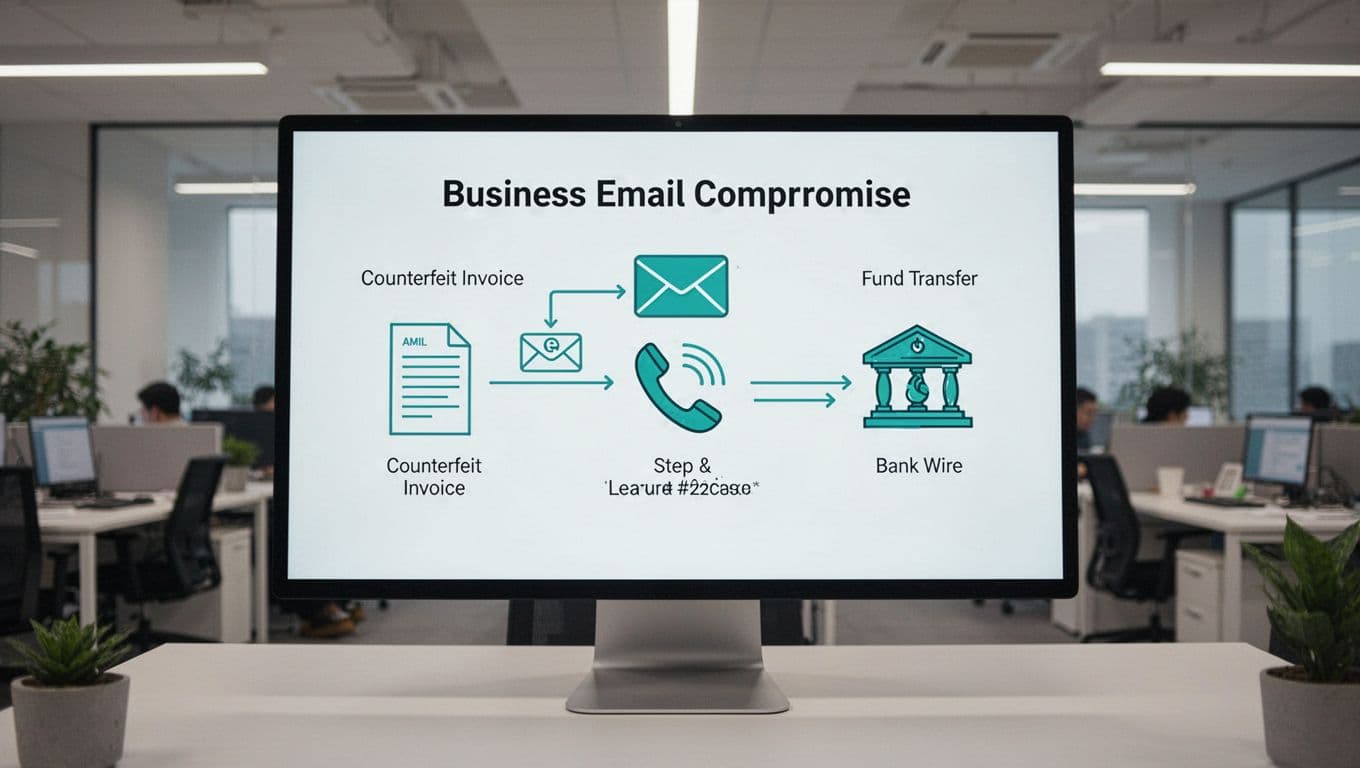
Business email compromise is another common thread. A convincing invoice, a fake approver, or a hurried phone call can all start the same chain. For more examples, see real-world business email compromise cases.
If the scenario does not force a money, data, or identity decision, it’s too gentle.
A strong mix should include one fraud path, one privacy issue, and one insider mistake. That keeps the session close to daily work, not a cyber movie plot.
How to run the session so people tell the truth
The best tabletop exercises feel like a working meeting, not a performance review. People speak more honestly when they know the goal is learning, not blame.
Use prompts that mirror real requests:
- A payroll clerk gets an email from the CFO asking for a direct deposit change before payday.
- HR receives a W-2 request from someone using the CEO’s name.
- Finance gets a vendor invoice with new bank details and a tight deadline.
- Benefits staff see a dependent change request tied to a personal emergency.
- Security confirms mailbox access from an unknown device after a transfer request goes out.
Keep the room mixed. Finance should hear how Security validates the message. HR should hear what Legal needs before employee data leaves the department. IT should hear what a real hold or lockout looks like. Compliance should hear who writes the record.
A few facilitation habits make the session sharper:
- Start with one clear fact pattern, then add new details every 10 minutes.
- Ask who approves, who verifies, and who stops the action.
- Write down the exact time each team would escalate.
- Push for the real process, not the ideal process.
- Capture every decision owner in the room.
If you want a simple response template to compare against, a sample business email compromise playbook is a useful reference.
When your team needs help shaping scenarios around finance and HR workflows, Book a Discovery Call with Bud Consulting.
Measuring success and fixing the gaps
A good exercise ends with evidence, not applause. Track how fast teams spot the issue, who they call, and whether they use the right verification steps.
| Metric | What good looks like |
|---|---|
| Time to first escalation | The right owner is notified within minutes |
| Verification behavior | Callback checks or second-factor controls are used |
| Cross-functional reach | Finance, HR, Security, Legal, and Compliance all engage |
| Decision quality | The team follows policy and risk level, not urgency |
| Follow-up completion | Gaps have owners, dates, and a retest plan |

After the session, update the playbook, tighten approval steps, and fix the weakest handoff first. If payroll changes still depend on one overworked approver, that is the gap to close. If HR still lacks a clean escalation path for data exposure, write it down and test it again.
The goal is simple. The next fake invoice or executive email should meet a team that already knows the first move.
What makes the exercise worth repeating
Finance and HR tabletop exercises work when they mirror real pressure. The right scenario exposes weak verification, slow handoffs, and confusion over ownership.
When those gaps are visible, the business gets better at protecting money, employee data, and trust. That’s the point.