table of contents
Client infrastructure faces persistent threats below the operating system layer. Standard remote monitoring tools often miss deep hardware vulnerabilities. This is where specialized firmware security consulting becomes essential for modern IT practices. Advisors need structured frameworks to protect motherboards, network switches, and peripheral controllers. Client systems require deep visibility beyond standard patch management. The following sections outline how consulting firms evaluate, update, and secure hardware firmware.
Why Firmware Security Differs From Operating System Patching
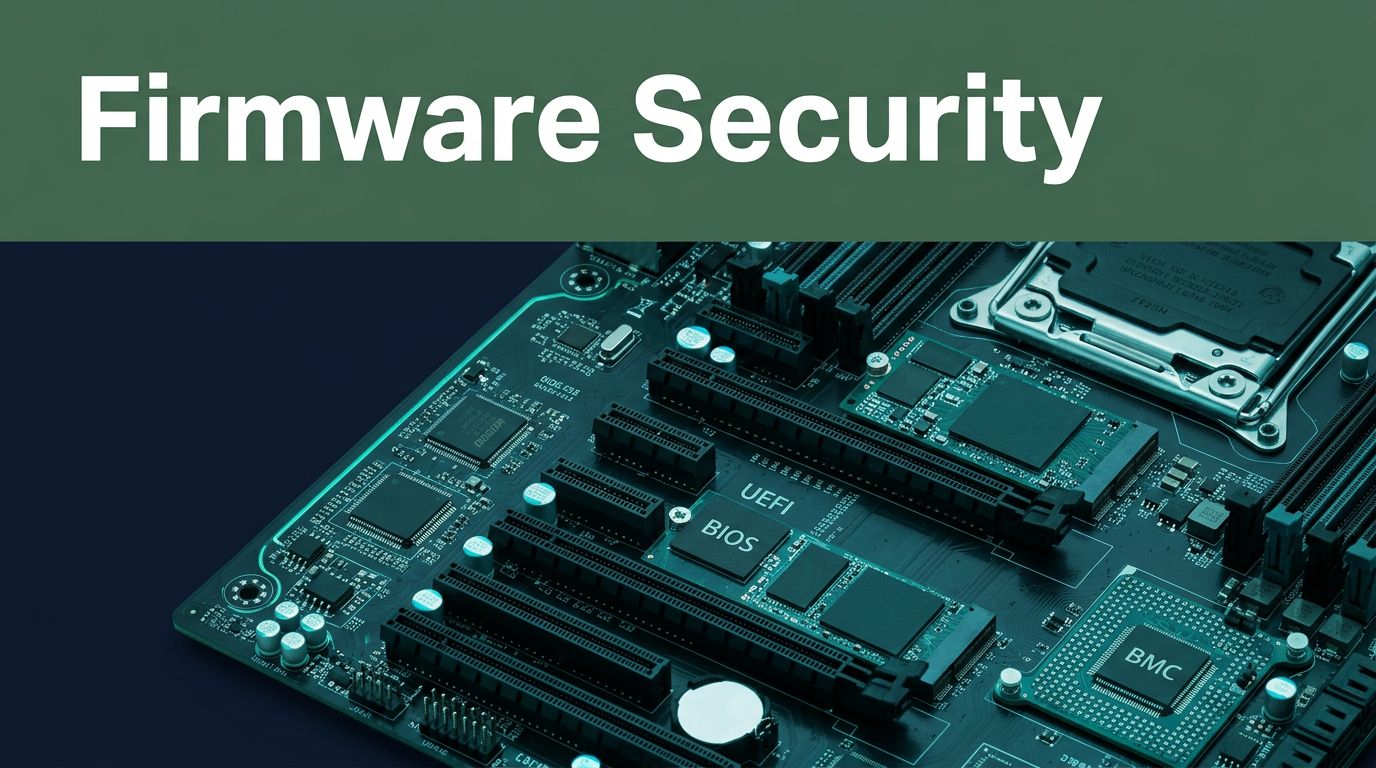
Operating system updates happen frequently through automated software pipelines. Firmware operates differently because it runs directly on hardware chips. Motherboard BIOS, UEFI, storage controller microcode, and Baseboard Management Controllers require distinct handling. Standard endpoint management tools do not inspect or patch these underlying components.
Malware targeting firmware persists across operating system reinstalls. Threat actors exploit vulnerabilities in boot ROMs and SPI flash memory to gain silent, long-term access. Traditional patch management software cannot remediate these low-level threats. IT firms must adopt dedicated hardware auditing procedures.
Consultants explain this distinction to clients during risk assessments. Operating system security protects application layers. Firmware security protects the physical root of trust. Neglecting the hardware layer leaves a persistent backdoor open to sophisticated attackers. Organizations must understand that patching the kernel does not secure the silicon.
Assessing Client Firmware Risks Through Structured Audits
Evaluating client hardware requires a structured asset inventory. Consultants catalog every server motherboard, firewall appliance, and network switch model across the network. Vendor advisories from manufacturers like Dell, HP, and Cisco dictate which hardware revisions carry active vulnerabilities. Security teams match installed versions against known manufacturer bulletins.
Risk-based prioritization dictates where remediation starts first. Core routing hardware and domain controllers take priority over peripheral workstations. Client environments vary in architecture and manufacturer support cycles. Documenting these differences forms the baseline of effective security engagements.
Frameworks from standards organizations provide reliable guidance for these audits. The Platform Firmware Resiliency Guidelines published by NIST offer concrete benchmarks. These guidelines define how systems protect, detect, and recover platform firmware against destructive attacks.

Consultants use NIST recommendations to grade client resilience. Audits identify missing cryptographic signatures and unprotected flash storage. Clear audit reports show business leaders where hardware vulnerabilities expose critical data. Detailed hardware tracking prevents blind spots in complex enterprise networks.
Implementing Strict Change Control and Rollback Planning
Applying firmware updates requires rigorous caution. Automatic updates on core infrastructure frequently cause boot failures. Consulting firms never apply firmware patches without prior lab testing. Change control policies define precise maintenance windows and testing protocols.
Brick a server during a remote update and operations stop immediately. Hardware recovery demands physical access or specialized out of band management tools. Technicians must configure redundant dual flash images before updating critical components. Backup routines must capture current working firmware states.
Rollback planning ensures rapid recovery when updates fail. Vendors release buggy microcode patches regularly. Verified rollback mechanisms protect client uptime during unexpected software regressions. Change control documentation tracks every version change across every managed device.

Strict separation of duties prevents unauthorized changes. Maintenance procedures require signoff from lead engineers before deployment. Careful execution minimizes downtime and protects sensitive production environments. Rigorous testing eliminates guesswork during critical infrastructure upgrades.
Documenting Evidence and Compliance for Clients
Clients need verifiable proof of security improvements. Regulatory frameworks require documented hardware integrity checks. Consulting firms supply formal evidence packages after every assessment cycle. These packages include asset inventories, vulnerability scans, and remediation logs.
Insurance underwriters and compliance auditors demand proof of low-level security controls. Standard vulnerability reports satisfy basic compliance checks. Advanced audits require signed verification records confirming firmware authenticity. Providing this evidence establishes long term trust with client stakeholders.
Firms offering dedicated evaluations elevate their market positioning. Technical leaders appreciate partners who handle complex hardware risks without disrupting daily operations. Detailed documentation protects both the client and the advisory firm from liability. Transparent reporting builds confidence during regulatory audits.
Scaling Your Firm Through Firmware Security Consulting
Expanding service portfolios requires repeatable methodologies. Internal teams need standardized checklists for hardware discovery and risk ranking. Training junior engineers on firmware inspection builds internal capacity. Scalable processes allow consulting practices to take on larger enterprise clients.
Technical leadership involves proactive risk reduction. Waiting for a hardware breach damages client trust and firm reputation. Specialized advisory services create high margin revenue streams for managed service providers. Integrating hardware checks into routine security assessments provides immediate client value.
Organizations seeking expert guidance benefit from structured partnership models. You can Book A Call With Us to discuss your advisory requirements. Specialized consulting helps internal teams close critical infrastructure security gaps. Effective planning turns hardware protection into a distinct business advantage.
Final Thoughts
Hardware vulnerabilities demand specialized attention beyond standard operating system patches. Structured risk assessments protect the underlying root of trust. Firms providing expert advisory services secure client infrastructure effectively. Proactive planning ensures resilient operations across every connected device.