table of contents
Security teams face mounting pressure to handle sophisticated threats at machine speed. Manual incident response cannot keep pace with modern adversary automation.
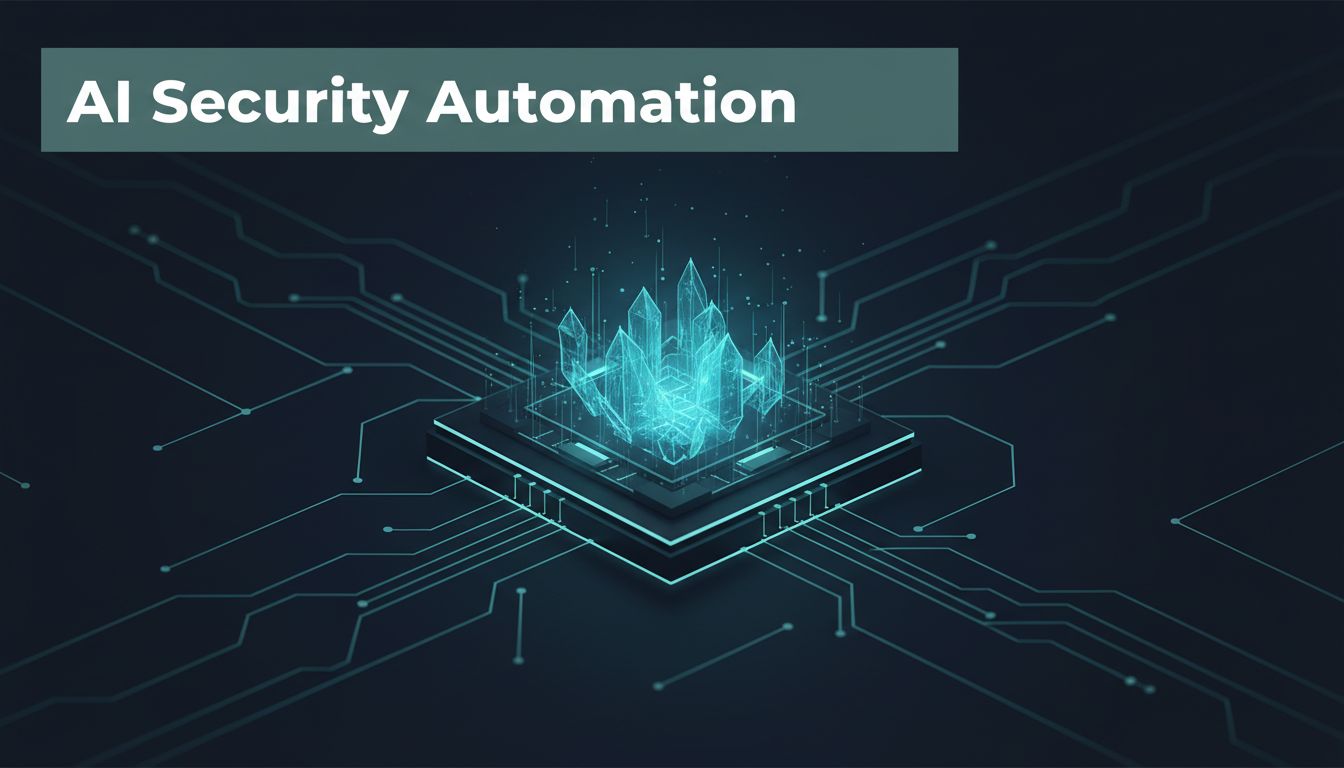
The GIAC AI Security Automation Engineer (GASAE) certification addresses this exact operational bottleneck. Professionals who earn the GIAC GASE credential validate their ability to build practical, automated security workflows.
Organizations need engineers who can bridge artificial intelligence and operational security. This guide covers exam structure, training requirements, and core technical competencies.
Understanding the GIAC GASE Certification Framework
The security industry relies on speed and precision. Traditional security operations centers struggle with alert fatigue and repetitive manual triage. Security automation solves this problem by executing routine playbooks without human delay. Artificial intelligence expands automation capabilities beyond simple scripts. Systems now parse complex telemetry, analyze unstructured log data, and generate remediation code in real time.
The official GIAC GASAE certification page outlines a rigorous standard for practitioners. This credential verifies that candidates can implement artificial intelligence and automation across multiple operational domains. Security engineers must move past basic Python scripts. Modern environments require robust integration between cloud infrastructure, detection pipelines, and large language models.

Photo by cottonbro studio
Certification candidates learn to treat security tooling as an interconnected ecosystem. Automated detection without automated response leaves teams vulnerable to rapid attacks. Engineers build pipelines that ingest threat intelligence, validate alerts, and execute containment steps autonomously. This framework reduces dwell time and minimizes human error during high-stress incidents.
Core Exam Details and Testing Structure
Knowing what to expect on exam day helps candidates allocate study time effectively. GIAC designs its exams to test practical application rather than rote memorization. The GASAE exam evaluates hands-on competency through structured performance-based questions and technical scenarios.
Candidates face a proctored environment where they must demonstrate real-world configuration skills. The exam consists of 82 questions completed within a 3-hour time limit. The minimum passing score sits at 70 percent, aligning with psychometric standards set for recent certification updates.
The testing model relies on CyberLive technology. This platform requires candidates to solve problems inside live virtual environments rather than answering multiple-choice questions alone. Practitioners must write code, configure security policies, and troubleshoot broken automation pipelines under exam conditions.
Preparation requires direct exposure to the tools covered in the official GIAC certification catalog. Candidates who rely solely on textbooks often struggle with the interactive labs on the exam. Practical familiarity with command-line interfaces, API endpoints, and configuration files is mandatory.
SANS SEC598 Course Breakdown and Hands-On Labs
Training provides the structured foundation needed to pass the certification exam. The affiliated SANS course, SEC598, serves as the primary educational pathway for candidates. This curriculum bridges theoretical artificial intelligence concepts with daily security operations.
The SANS SEC598 course details outline a comprehensive schedule available in 6-day instructor-led formats or 36-hour self-paced options. The course includes 25 distinct hands-on labs that mimic real enterprise environments. Students earn 36 CPEs upon completion, making it a valuable continuing education milestone for experienced practitioners.
| Training Feature | Operational Metric |
|---|---|
| Delivery Format | 6 Days Instructor-Led or Self-Paced |
| Hands-On Labs | 25 Interactive Lab Exercises |
| Continuing Education | 36 CPE Credits |
| Primary Focus | Offensive, Defensive, and Cloud Automation |
Students spend significant time building retrieval-augmented generation pipelines and working with agentic AI models. These technical exercises ensure engineers understand how language models process security data. Security teams cannot secure AI systems without knowing how they operate under the hood.
The curriculum covers prompt engineering risks, model hallucination mitigation, and secure data handling practices. Engineers learn to deploy local models for sensitive telemetry analysis without exposing internal data to external API providers. This balance of innovation and risk management defines the modern security automation role.
Security Automation for Offensive and Defensive Operations
Automation is not exclusive to defensive teams. Adversaries use automated scripts, weaponized machine learning, and rapid vulnerability scanners to compromise networks. Security engineers must understand offensive automation to build effective detection mechanisms.
The GIAC Artificial Intelligence Certifications focus area highlights the dual-nature of automation in modern security. Practitioners learn to build automated adversary emulation frameworks that test defenses continuously. Instead of relying on annual penetration tests, organizations run automated attack chains daily.
Defensive automation focuses on rapid triage and host remediation. When an endpoint shows signs of compromise, automated playbooks isolate the machine, collect volatile memory, and notify the incident response team. Engineers write scripts that parse Windows Event Logs and Linux system logs for anomalous execution patterns.
Red and blue teams collaborate more effectively when they share a common automation language. Purple teaming relies on rapid iteration and automated testing. Engineers use breach and attack simulation platforms to validate detection rules instantly. If a new threat intelligence report surfaces, teams write an automated test to verify their detection coverage within hours.
Cloud Security Automation in AWS and Azure Environments
Modern infrastructure lives in the cloud, and security automation must follow it there. Traditional perimeter defenses do not protect dynamic, containerized environments. Security engineers must manage identities, network policies, and storage configurations across multiple cloud providers.
Cloud environments generate massive volumes of log data. Manual analysis is impossible at enterprise scale. Engineers build serverless automation functions that trigger when an unauthorized security group modification occurs. The automation reverts the change immediately and alerts the cloud security team.
Infrastructure as Code introduces security guardrails before code reaches production environments. Engineers embed automated security scanning into continuous integration and continuous deployment pipelines. If a developer introduces an insecure storage bucket configuration, the pipeline blocks the deployment and suggests a secure alternative.
Identity and access management also benefits from automation. Privileged access requests often require manual approvals that slow down business operations. Automated workflows verify user credentials, check risk scores, and grant temporary access based on policy. This approach reduces friction while maintaining strict security oversight.
Preparing for the GASAE Exam and Practical Labs
Earning the certification requires disciplined study habits and hands-on practice. Candidates should not treat the exam as an easy test of general IT knowledge. The technical depth demands focused preparation across scripting, cloud security, and artificial intelligence integration.
Setting up a home lab provides essential practical experience. Candidates can deploy local open-source language models, write custom Python automation scripts, and test API integrations. Building these pipelines from scratch teaches troubleshooting skills that multiple-choice questions cannot measure.
Connecting with peers helps clarify difficult technical concepts. Platforms like SANS and GIAC community discussions offer candidate perspectives on lab difficulty and study strategies. Reading shared experiences helps test-takers identify knowledge gaps before exam day.
Time management during the exam is crucial. The 3-hour limit leaves little room for hesitation on complex CyberLive lab items. Candidates should practice completing lab scenarios under timed conditions to build operational speed and confidence.
Closing Technical Skills Gaps in Modern Security Teams
Organizations struggle to find professionals who understand both software engineering and cybersecurity operations. Traditional security analysts often lack programming skills, while software developers lack threat modeling experience. This skills gap leaves enterprise networks vulnerable to automated attacks.
Building an effective security team requires targeted hiring and continuous staff development. CISOs look for engineers who can write code, manage cloud infrastructure, and operationalize artificial intelligence safely. Certifications like GASAE prove that a candidate possesses these multidisciplinary skills.
Partnering with specialist recruitment and consulting firms helps organizations identify qualified automation talent quickly. Bud Consulting works with security leaders to evaluate technical competencies and match experienced engineers with high-impact roles. If your organization needs help closing security skills gaps, you can Book A Call With Us to discuss your hiring requirements.
Investing in internal talent yields long-term security dividends. Sponsoring engineers through specialized training builds institutional knowledge and improves staff retention. Security automation is not a temporary trend; it is the permanent operating model for modern defense.
Conclusion
Manual security operations cannot keep pace with modern threat volumes. Organizations must adopt automation and artificial intelligence to protect their digital assets effectively.
The GIAC AI Security Automation Engineer certification provides a reliable standard for verifying practical automation expertise. Professionals who master these skills position themselves at the forefront of modern security engineering.
Take the next step in your career by evaluating your team’s automation maturity and mapping out a training plan today.