table of contents
APIs are where many SaaS products leak data first. In 2026, weak OAuth grants, exposed internal endpoints, and over-permissioned tools still create easy paths into cloud apps. If you hire the wrong API security engineer, you may get advice that sounds good in meetings but fails in production.
The better hire works close to product teams, understands how SaaS systems actually move data, and can turn risk into guardrails. That starts with a clear role, not a vague security job post.
Define the role before you post the job
Before you interview anyone, decide what problem you need solved. A SaaS company with one product and a small platform team needs something different from a company with many services, partners, and internal tools.
An API security engineer in this setting should own more than scanner output. The role usually includes authentication and authorization design, threat modeling, secure code review, testing, logging, and support for CI/CD. It should also cover how APIs sit inside cloud-native systems, including gateways, service-to-service auth, secrets, and identity for non-human users.
Good API security hiring is less about knowing every attack name and more about fixing access paths that matter to your product.
For a senior individual contributor, look for someone who can jump into a codebase, spot broken authorization, and improve control points fast. For a lead or platform-focused role, you need someone who can set standards across teams, define patterns, and build reusable protections.
| Role shape | Best fit | What to test | Common mistake |
|---|---|---|---|
| Senior IC | One product team needs deep hands-on help | Code review, API testing, auth design, logging | Hiring a policy writer who avoids code |
| Lead or platform | Multiple teams need shared guardrails | Roadmaps, developer influence, control design | Expecting one person to fix every service |
That split matters. A strong platform lead without hands-on depth can miss real bugs. A sharp IC without influence can get stuck as a permanent reviewer.

Screen for the skills that matter in SaaS
Use the OWASP API Security Project as your baseline. Then ask how the candidate applies those risks to your stack, your tenants, and your release flow. In a SaaS company, the right answer is rarely “put it behind the gateway and call it done.”
In 2026, the strongest candidates know that API risk often starts with identity. That means they should speak comfortably about OAuth and OIDC, token scopes, refresh tokens, audience claims, and service accounts. For deeper OAuth context, Curity’s API security best practices is a good reference point.
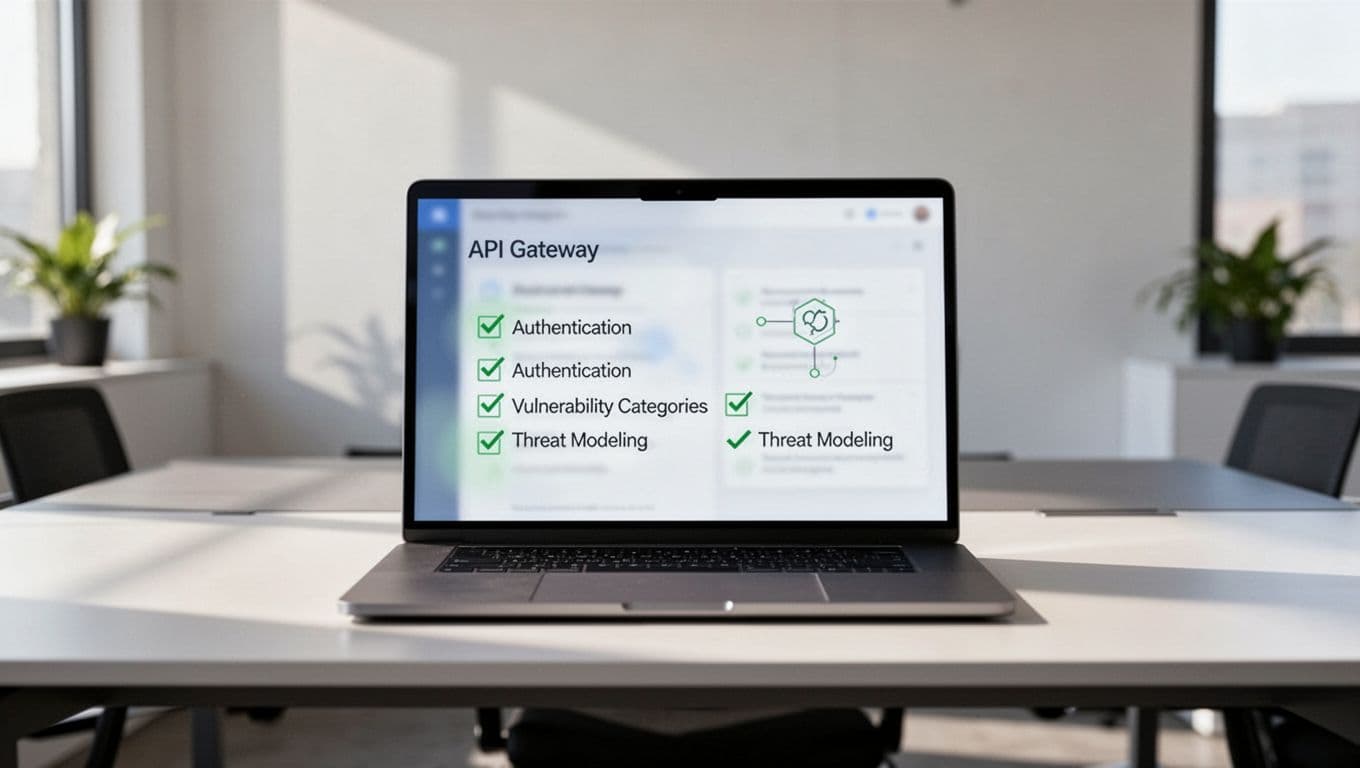
Watch for these skills:
- Authentication and authorization, with clear ideas about server-side checks, tenant boundaries, and least privilege.
- Threat modeling, especially for multi-tenant data paths, partner integrations, and internal admin APIs.
- Testing tools, such as DAST, fuzzing, contract tests, and abuse-case scripts that fit real APIs.
- CI/CD integration, so controls run during build, test, and deploy stages instead of after release.
- API gateways, with the understanding that gateways help, but do not replace app-level checks.
- Logging and monitoring, including audit trails, anomaly signals, and alerting that avoids leaking secrets.
- Cloud-native security, such as Kubernetes service identity, secrets handling, and machine-to-machine auth.
- Secure SDLC collaboration, because the best hire works with engineers instead of dumping findings on them.
A candidate who can explain these areas in plain language is often more useful than someone who only recites terms. You want someone who can help a developer ship safely on the first try.
Ask interview questions that force real thinking
A long list of memorized questions won’t tell you much. A better screen asks the candidate to reason through your product shape, your auth model, and your failure points.
If you want a broader set of prompts, API security interview questions can help you prepare. Still, the best interview uses your own architecture and your own risks.
Try questions like these:
- “How would you prevent BOLA in a multi-tenant SaaS API?”
- “Where should authorization live, at the gateway, the service, or both?”
- “What would you log for an OAuth-based incident, and what would you avoid logging?”
- “How would you test for broken function-level authorization before release?”
- “How would you add API security checks to a CI/CD pipeline without slowing teams down?”
Listen for specifics. A strong answer mentions server-side ownership checks, test cases, scopes, claims, tenant IDs, and safe observability. A weak answer stays vague or shifts all trust to the gateway.

You can also use a short practical exercise. Give the candidate one endpoint, one auth flow, and one abuse case. Then ask them to improve the design and explain the tradeoffs.
Avoid the hiring mistakes that waste weeks
The most common mistake is hiring for general security experience and hoping it maps to APIs. It often doesn’t. API work needs people who understand requests, objects, tokens, and business logic, not only perimeter tools.
Another mistake is overvaluing certificates or generic OWASP knowledge. Those things help, but they do not show whether someone can work with backend engineers or untangle a broken auth flow. A third mistake is skipping collaboration checks. If the candidate can’t work with product and platform teams, the role will stall.
Use a scorecard that covers technical depth, communication, and execution. Then check whether the person can improve controls without slowing delivery to a crawl. If you need help validating a shortlist or defining the right profile, Book a Discovery Call with Bud Consulting.
Conclusion
Hiring an API security engineer for a SaaS team works best when the role is clear, the interview is practical, and the bar matches your product shape. In 2026, that often means strong identity knowledge, real cloud-native experience, and the ability to work inside the secure SDLC.
The best hire won’t just find problems. They will help your team build safer APIs before those problems reach production.