table of contents
April 2026 saw hackers drain over $600 million from DeFi protocols. Drift Protocol lost $280 million to a tricked multisig. KelpDAO suffered $290 million from a LayerZero bridge flaw. These hits crushed TVL by billions.
You run a Web3 project. Smart contracts power your DeFi app, wallet, or bridge. One code slip can wipe out users’ funds. A blockchain security auditor spots those slips before launch. They cut risks, but remember: audits lower threats, not erase them.
This guide walks you through hiring one. You’ll learn practical steps for 2026’s multi-chain world.
Why Audits Matter More Than Ever in 2026
Hackers hit almost daily last April. North Korean groups like Lazarus target Solana perps and Ethereum staking. Social scams drained Zerion wallets. Bridges like ZetaChain exposed cross-chain flaws.
Projects without audits face investor doubt. Users check for them before depositing. Regulators demand proof of due diligence.
Audits review code line by line. They test for reentrancy, overflows, and logic bugs. Firms caught issues in Moonwell’s pricing and TrueBit’s integers earlier this year.
Pick wrong, and you waste time. Or worse, miss real holes. Start by matching your needs to their strengths.
Your protocol uses Rust on Solana? Seek Rust experts. Ethereum DeFi? Look for EVM pros.
Know Your Project’s Audit Needs First
Define scope before shopping. List contracts, integrations, and risks.
DeFi lending needs oracle checks. Bridges demand cross-chain tests. Wallets focus on key management.
Budget 1-5% of TVL for quality work. Small teams pay $20K-$50K. Big protocols hit $100K+.
Timeline matters. Launches wait for 2-6 weeks typical turnaround.
Internal prep helps. Run Slither or Mythril first. Fix basics yourself.
This sets clear RFPs. Auditors bid on specifics, not generics.
Research Reputable Blockchain Security Auditors
Start with public lists. Sherlock tops for full-lifecycle coverage, including AI tools and 11K researchers. Trail of Bits excels in systems-level reviews beyond contracts.
OpenZeppelin offers repeatable processes for Ethereum. Halborn handles full-stack, from servers to flows.
Check top Web3 auditing firms for 2026 or rankings by evidence.
Shortlist 3-5. Ignore hype. Focus on chain match: EVM, Solana, or Move.
Verify via GitHub. Active repos show real work.
Review Past Audit Reports Closely
Public reports reveal quality. Download samples. Look for exploit paths, not just “high risk” labels.
Good ones trace attacks step by step. They explain root causes and fixes.
Trail of Bits details upgrade patterns and oracles. OpenZeppelin flags every line twice.
Red flags: Vague findings. No math proofs. Generic templates.
Ask for your chain’s examples. Solana audits caught Drift-like nonces.

Spend an hour per report. Does it match your complexity? Prior clients fixed issues fast?
Check Specialization by Language and Ecosystem
Auditors specialize. EVM experts struggle with Move. Solana needs Rust fuzzers.
Ask audits done in your stack. Ethereum? 500+. New chains like Sui? Fewer.
Ecosystem matters. DeFi pros know Aave forks. Bridges test LayerZero messages.
KelpDAO’s hack showed bridge gaps. Pick firms with those wins.
Review team bios. Lead auditor published on your chain? Gold.
Multi-chain firms like Quantstamp cover broad. Niche ones dive deeper.
Scrutinize Their Audit Methodology
Top firms mix tools and humans. 70% manual review. Rest: fuzzing, formal proofs.
Steps: Threat model first. Then static analysis. Manual lines. Dynamic tests.
Post-Drift, durable nonces get extra eyes. Bridges need message fuzzing.
Ask tool stack. Echidna? Foundry? Custom scripts?
Formal verification for math-heavy parts. Not all do it well.
See guide to audit processes. It stresses manual depth.
Verify Reputation and Independence
Google names plus “hack”. Clean history? Good.
Check Immunefi bounties. They fixed post-audit?
Client list: Big protocols trust them? References from peers.
Independence: No token holdings. No prior work on rivals.
Community forums like Twitter or Discord. Real feedback trumps marketing.
Trail of Bits and Halborn shine here.
Compare Firms, Independents, and Competitive Processes
Firms scale best. Teams divide code. Sherlock or CertiK handle enterprise.
Independents suit small scopes. Faster, cheaper. Risk: Solo blind spots.
Competitive audits pit 2-3 firms. Best catches more. Costs more, but thorough.
| Option | Pros | Cons | Best For |
|---|---|---|---|
| Firm | Depth, support | Pricey, slower | Complex DeFi |
| Independent | Quick, affordable | Limited review | Simple contracts |
| Competitive | Multiple eyes | Coordination | High TVL launches |
Firms win for most. Use independents for iterations.
Questions to Ask Potential Auditors
Interview shortlist. Probe depth.
- How many [your chain] audits last year?
- Walk me through a recent high-risk find and fix.
- What’s your retest policy? Free first round?
- Turnaround for our scope?
- Post-audit: Monitoring or bounties?
Red flags: Vague answers. No fix reviews.

See key factors checklist. It matches these.
Expect disclosure: Findings public? Or NDA?
Communication: Weekly updates? Slack channel?
Expect Retesting, Disclosure, and Post-Audit Support
Fixes need retest. Best firms include one free. Charge for multiples.
Disclosure: Clear policies. Users see risks acknowledged.
Post-audit: Onchain monitoring. Bug bounties via Immunefi.
KelpDAO fallout showed ongoing needs. TVL drops from unmonitored flaws.
Ask rates. $5K-$15K extra for support.
Hiring Checklist Before Signing
Run this before contracts.
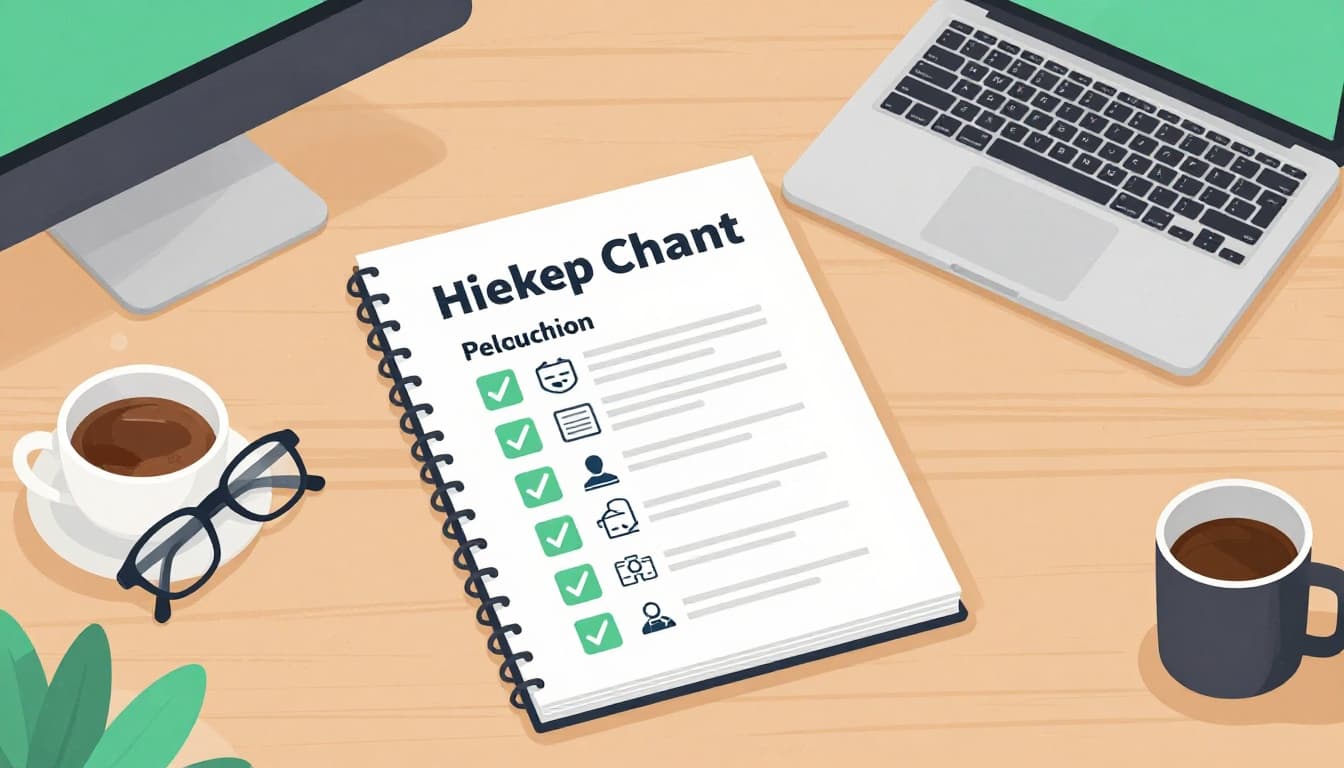
- Reports show exploit details?
- Team matches your stack?
- Methodology: 70%+ manual?
- Free retest included?
- References checked?
- No conflicts?
- Timeline fits?
- Post-support outlined?
- Cost vs. value aligns?
Sign only after yeses. Add SLAs for deliverables.
If talent gaps slow your team, Book a Discovery Call with Bud Consulting.
Conclusion
Hire auditors who match your chain and cut real risks. Review reports, ask hard questions, and use checklists. April’s $600 million losses remind us: Skip steps at your peril.
Strong audits build trust. Users stay. TVL grows. Act now for your next launch.
(Word count: 2487)