table of contents
Identity migration looks tidy in a project plan. Move accounts, sync directories, and tighten access. In practice, one weak control can expose every app in the stack.
If you want to hire security engineer talent for this work, you need more than a general security resume. You need someone who understands cloud IAM, hybrid identity, federation, and the fallout from a bad cutover.
The right hire keeps migration moving without creating audit trouble later. The wrong one leaves broken logins, orphaned accounts, and access sprawl.
What this role should own during migration
A security engineer for identity migration should own the parts that can break trust. That means mapping source and target identity systems, reviewing federation paths, and checking how authentication flows across cloud and on-prem apps.
They should also handle lifecycle management. Joiner, mover, and leaver flows need to work on day one, not after the migration is over. In 2026, that scope often includes service accounts, API keys, and AI agents that act on behalf of users.
A solid IAM migration playbook for 2026 helps frame the work. Good candidates know where identity cuts across business risk, compliance, and user access.

They should also be comfortable with access reviews, logging, and rollback plans. If a directory sync fails or a federation trust expires, the engineer needs a clear way back.
The technical skills that matter in 2026
Identity migration work rewards depth, not broad security trivia. A strong candidate usually knows how to move between Entra ID, Okta, Active Directory, AWS IAM, Azure IAM, or GCP IAM without guessing.
They also need to understand the moving parts around the platform. That includes SAML, OIDC, SCIM, conditional access, MFA, passkeys, and privileged access controls. For cloud-specific detail, the cloud IAM best practices across AWS, Azure, and GCP guide is a useful reference point.
Look for these skills in plain language:
- Federation and SSO depth matters because trust settings, certificates, and claims mapping can break access fast.
- Provisioning and deprovisioning logic matters because manual account handling creates security gaps.
- Access governance experience matters because reviews, approvals, and evidence are part of the job.
- Audit and compliance awareness matters because every migration leaves a paper trail.
A good engineer should explain how they protect least privilege during the move. They should also know how to handle hybrid identity, where old and new systems run side by side.
How to screen for real identity migration experience
Screening should test actual migration work, not tool names. Ask for examples that show planning, failure handling, and control coverage.
| Interview area | Strong answer sounds like | Red flag |
|---|---|---|
| Federation | Explains trust setup, token flow, and rollback | Says “I set up SSO” and stops there |
| Lifecycle management | Describes joiner, mover, and leaver controls | Focuses only on manual provisioning |
| Access reviews | Mentions cadence, evidence, and exceptions | Treats reviews as a one-time task |
| Compliance | Links controls to audit needs and logs | Says compliance will be “handled later” |
After that, use short scenario questions. Keep them close to the work.
- “Walk through a tenant-to-tenant or directory consolidation you led. What failed first?”
- “How did you test federation before cutover?”
- “What did you do when provisioning or deprovisioning drifted from policy?”
- “How did you prove access reviews were working, not just scheduled?”
- “Which logs or alerts told you the migration had a security issue?”
The best answers sound operational. They cover dependencies, fallback plans, evidence, and ownership.
If a candidate only talks about architecture diagrams, keep digging. Ask how they handled failed syncs, account lockouts, and emergency access.
Common hiring mistakes that slow the project
The biggest mistake is hiring a general security engineer and hoping they can “pick up IAM.” Identity migration is too tied to user flows, application trust, and compliance evidence for guesswork.
Another common miss is underweighting hybrid identity. Many teams still run a mix of cloud IAM, legacy directories, and old apps. If the candidate has never worked across those layers, the migration will drag.
Teams also forget about access reviews and lifecycle controls. Those tasks sound routine, but they often uncover the messiest parts of the environment. A candidate should know how to clean them up without breaking business access.
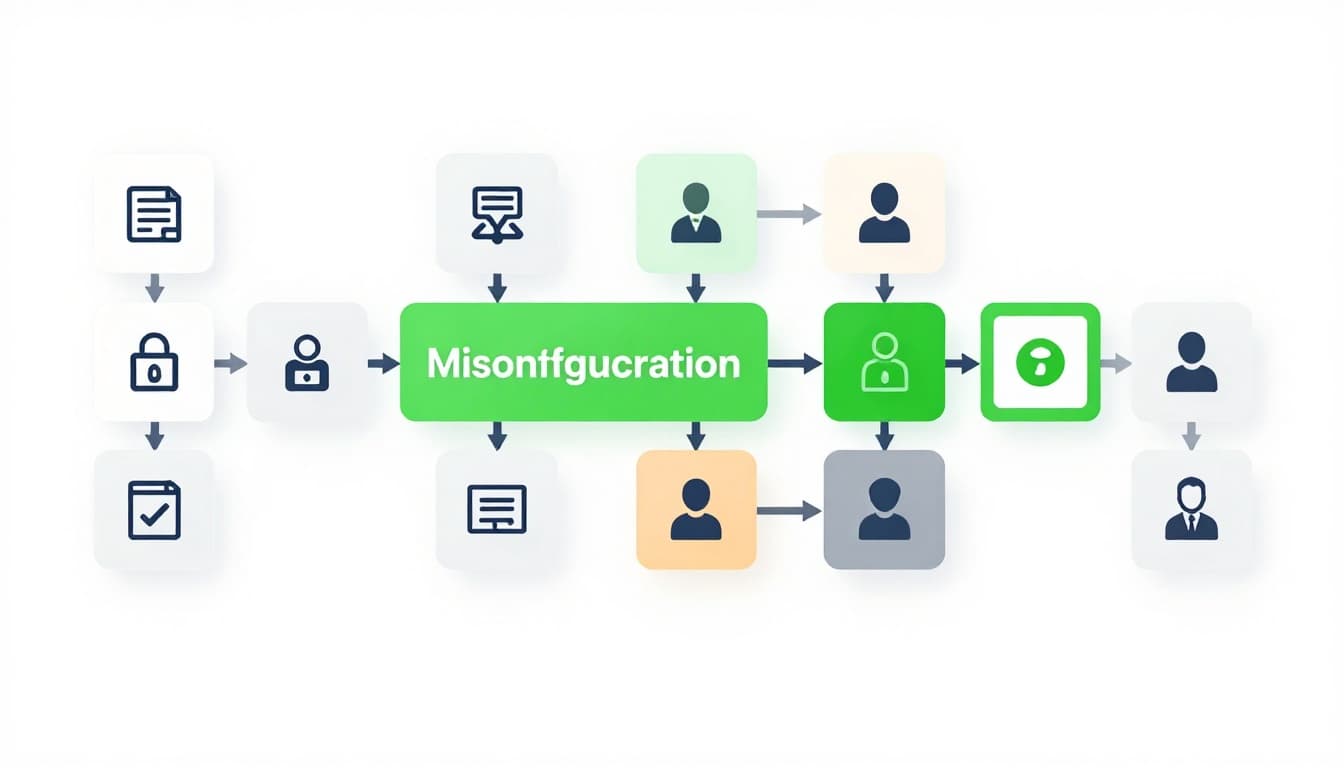
Watch for these hiring mistakes:
- Vague role scope makes it hard to tell if the person can own migration work.
- Tool-first interviews miss the real question, which is how they secure identity flows.
- No rollback discussion leaves you exposed during cutover.
- Weak compliance input creates rework after the migration is live.
If you want help building a shortlist for this kind of role, Book a Discovery Call with Bud Consulting.
Hire for migration depth, not general security breadth
Identity projects fail when the team treats access as an afterthought. That is why the best hire understands federation, lifecycle rules, access reviews, and audit pressure as one system.
When you choose the right person, the migration gets calmer. Users keep logging in, auditors get evidence, and the security team gets fewer surprises.