table of contents
You face a tough spot in cybersecurity hiring right now. A global skills gap hits 4.8 million jobs, and security engineer roles grow 29% through 2034. Yet many teams grab strong coders who fix threats alone. They miss the mark on training devs or IT staff.
That leaves gaps. Breaches rise from poor practices, and upskilling lags. You need someone who builds security into every team. This guide shows you how to hire security engineer talent that mentors and scales knowledge.
Start by defining what sets them apart.
Spot Trainer Traits in Security Engineers
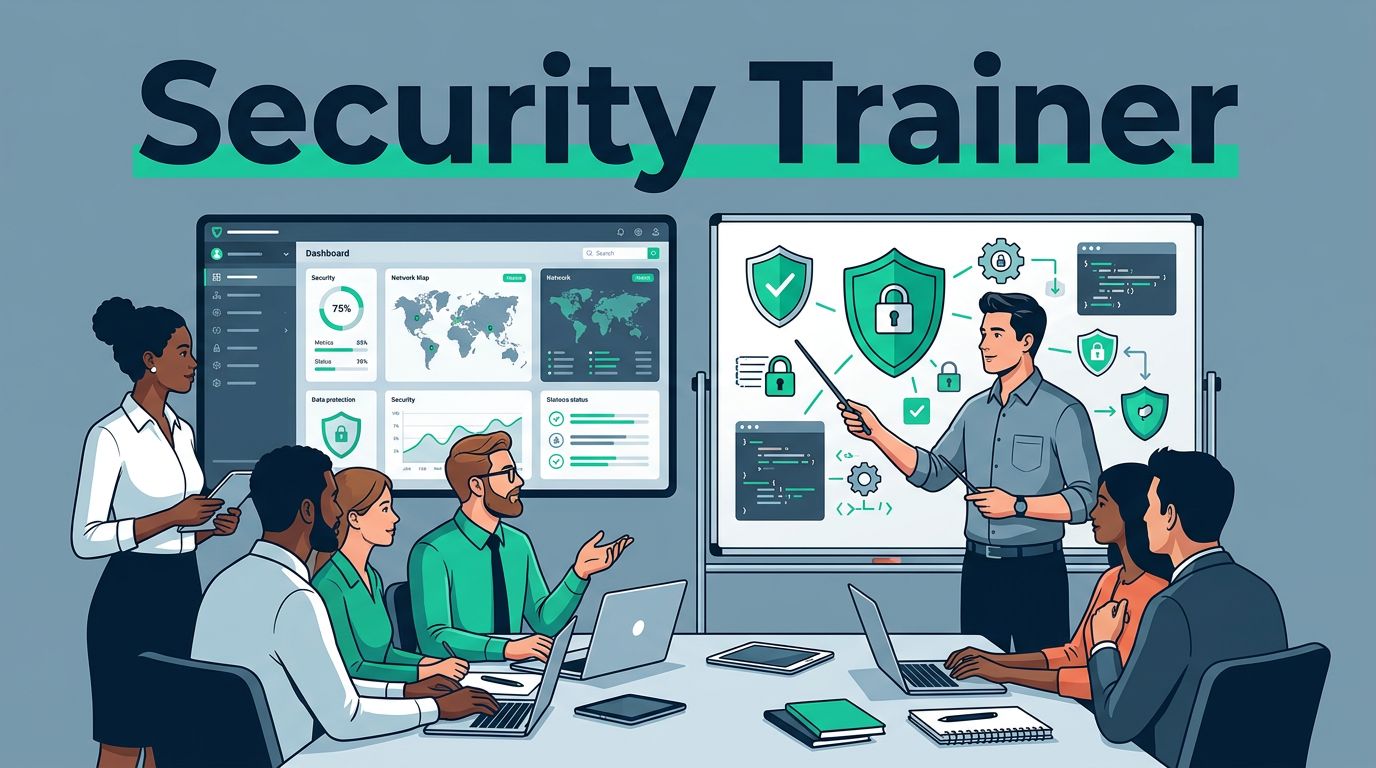
Most security engineers excel as solo experts. They patch vulns, harden clouds, and hunt threats. But trainers lift the whole org. They explain AI risks or DevSecOps simply, so devs adopt it daily.
Look for past proof. Did they lead workshops? Create docs that cut incidents? In 2026, with OT networks and prompt injections booming, trainers bridge gaps. Firms upskill 85% of staff over new hires because it’s faster.
Check resumes for “mentored juniors” or “built training programs.” Vague claims like “team player” don’t count. Ask for metrics: “How many devs did you train? What changed?”
Hiring managers often chase unicorns, leaving 26% of roles empty. Focus on real needs. A trainer turns your team from reactive to proactive. They design repeatable sessions on IAM or threat modeling.
This shift matters. Remote work expands talent pools, but bad job ads kill it. Prioritize those who communicate across levels.
Key Skills to Look For in a Security Engineer Trainer
Technical chops come first: cloud security, Zero Trust, app sec tools like SAST. But training demands more. Seek clear explainers who simplify without dumbing down.
They break complex ideas. For example, they teach devs why API checks block exploits, not just run scans. Hands-on experience tops certs; 73% of postings stress it.
Communication stands out. Can they adapt to juniors or execs? Test for empathy; trainers spot confusion fast.
Also watch for curriculum builders. They craft modules on emerging threats like ML agents. Results show in lower risks or faster responses.

Picture this engineer running a session. Participants grasp concepts quick because delivery fits adults learning on the job.
Patience and feedback skills seal it. They review code gently, guide without dictating. In short, pair deep knowledge with teaching flair.
Write a Job Description That Draws the Right Candidates
Vague postings chase “10 years exp, all skills.” That fails. Spell out training duties upfront.
List core tasks: “Develop and deliver monthly sessions on DevSecOps. Mentor devs on secure coding. Measure uplift via quizzes or audits.”
Highlight impact: “Raise team maturity; cut vulns by 30%.” Add must-haves like AWS/GCP hardening, plus “proven mentoring record.”
For 2026, include AI threats and OT sec. Indeed’s security engineer job description template offers a solid base. Tailor it.
Post on niche boards. Remote options help; postings hit 113% of pre-pandemic levels. End with: “Share a training example in your cover letter.”
This nets applicants who fit. Skip the noise.
Top Interview Questions to Test Training Ability
Interviews reveal truth. Skip trivia; probe teaching.
Start behavioral: “Describe a time you trained non-sec staff on cloud risks. What worked?” Good answers show structure: prep, demo, practice, follow-up.
Test live: “Explain Zero Trust to a dev who skips it.” Watch clarity. Do they use analogies? Pause for questions?
For depth: “How do you build a threat modeling workshop?” Seek steps: tools, scenarios, metrics.
“Walk us through securing an API pipeline,” from EM-Tools’ security practices questions. It checks integration skills.
More probes:
- “How did mentoring help a teammate grow?”
- “Create a 15-min session on prompt injection now.”
Rate on clarity, engagement, adaptation. MentorCruise lists 80 security questions; pick training-focused ones.

These uncover trainers fast. They shine explaining, not just knowing.
Use Role Scorecards for Fair Evaluations
Gut hires flop. Scorecards align teams.
Build one with 5-7 criteria. Weight them: technical 30%, training 40%, culture fit 30%.
Here’s a sample:
| Criterion | Yes/No | Notes |
|---|---|---|
| Explains concepts clearly | ||
| Builds repeatable training | ||
| Handles cloud/AI threats | ||
| Mentors with metrics | ||
| Adapts to audience |
Reviewers check boxes post-interview. Total yeses guide. Althire’s scorecard guide stresses objectivity.
Discuss outliers together. This cuts bias; agreement hits 80%.

Scorecards make decisions clear.
Onboard and Measure Success
New hires need ramp-up. Pair them with a buddy for first trainings.
Track wins: session attendance, quiz scores, incident drops. Adjust as needed.
In 2026’s market, trainers pay off big. They fill gaps cheaper than endless hires.
Ready to find yours? Book a Discovery Call with Bud Consulting for vetted matches.
Your team gets stronger, breaches fall. Act now.