table of contents
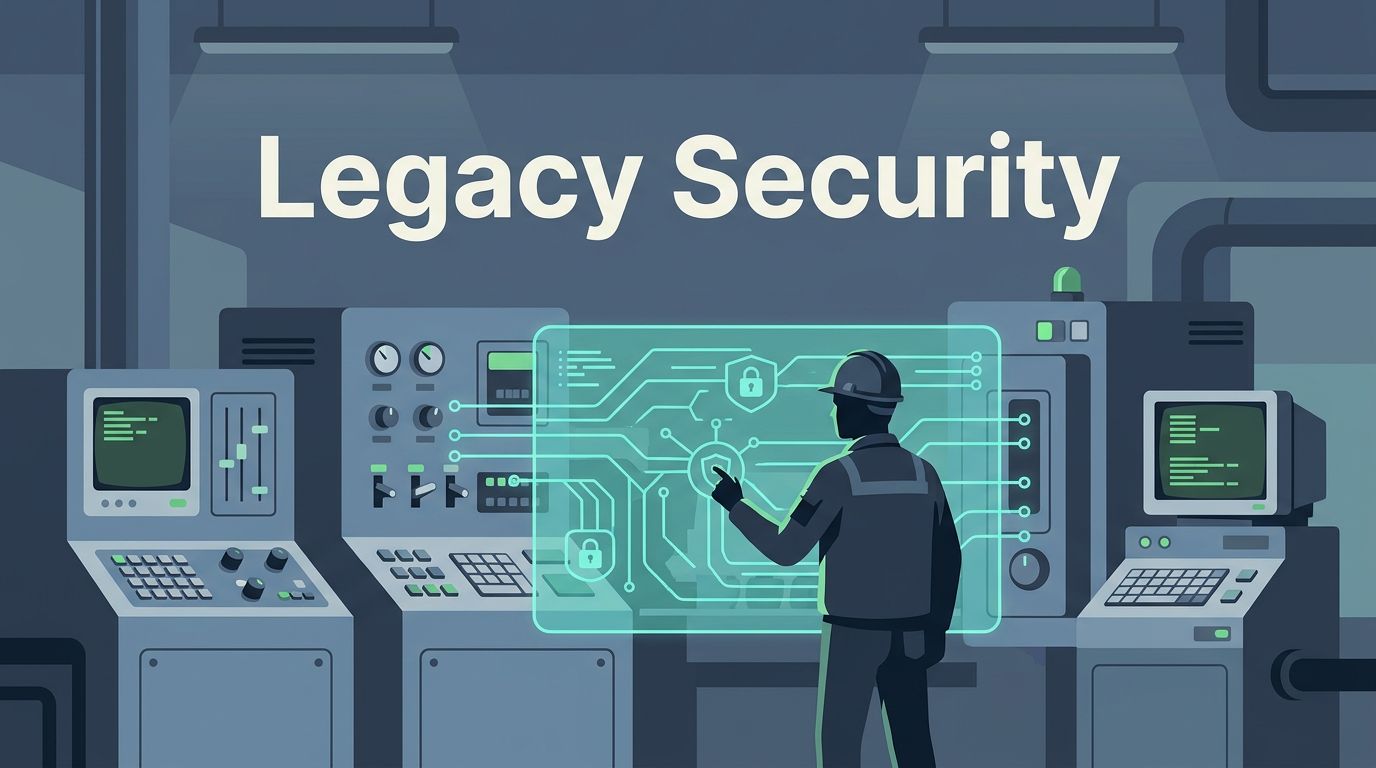
Your factory floor runs on systems from the 1990s. They keep production humming, but hackers eye them daily. One breach could halt operations for weeks.
In 2026, legacy system security engineers stay in demand because old tech powers critical industries like manufacturing and energy. Companies face 4.8 million unfilled cybersecurity jobs worldwide, yet legacy experts bridge the gap between outdated platforms and modern threats. You need someone who gets patching limits and OT setups without breaking everything.
This guide walks you through spotting the right hire. It covers challenges, qualifications, and questions that reveal real skills.
Why Hire a Legacy System Security Engineer in 2026
Demand surges for these pros amid rising breaches. Old systems lack support, so firms hire engineers to add layers like segmentation and monitoring. For example, Kloeckner Metals seeks experts for on-premises legacy and hybrid clouds.
Hiring trends show cybersecurity roles growing 29-33% in the U.S. through 2034. Median pay hits $124,910, with 514,359 openings. Yet, legacy work ranks behind cloud and AI skills. Still, OT security ties close because factories run on unpatched ICS.
You hire now to avoid downtime. Legacy breaches cost millions; one engineer prevents that. They handle mainframes, segmented networks, and vendor-locked tools where standard fixes fail.
Industries like energy can’t rip and replace. Instead, engineers apply compensating controls. This keeps risks low while business runs.
Understand the Unique Challenges of Legacy Systems
Legacy systems resist modern security. Vendors stopped patches years ago, so engineers improvise. Think mainframes or OT gear in plants; they run core ops but invite attacks.
Patching fails because updates crash workflows. Identity management gets tricky on segmented networks. OT/ICS adds risks; a flaw in Siemens gear drew OT-ISAC warnings in 2026. Engineers segment traffic and monitor anomalies instead.
Vendor constraints limit changes. Mainframes need RACF tweaks, not cloud-native tools. Arcati’s 2026 survey shows users focus on embedded security for high-impact workloads.
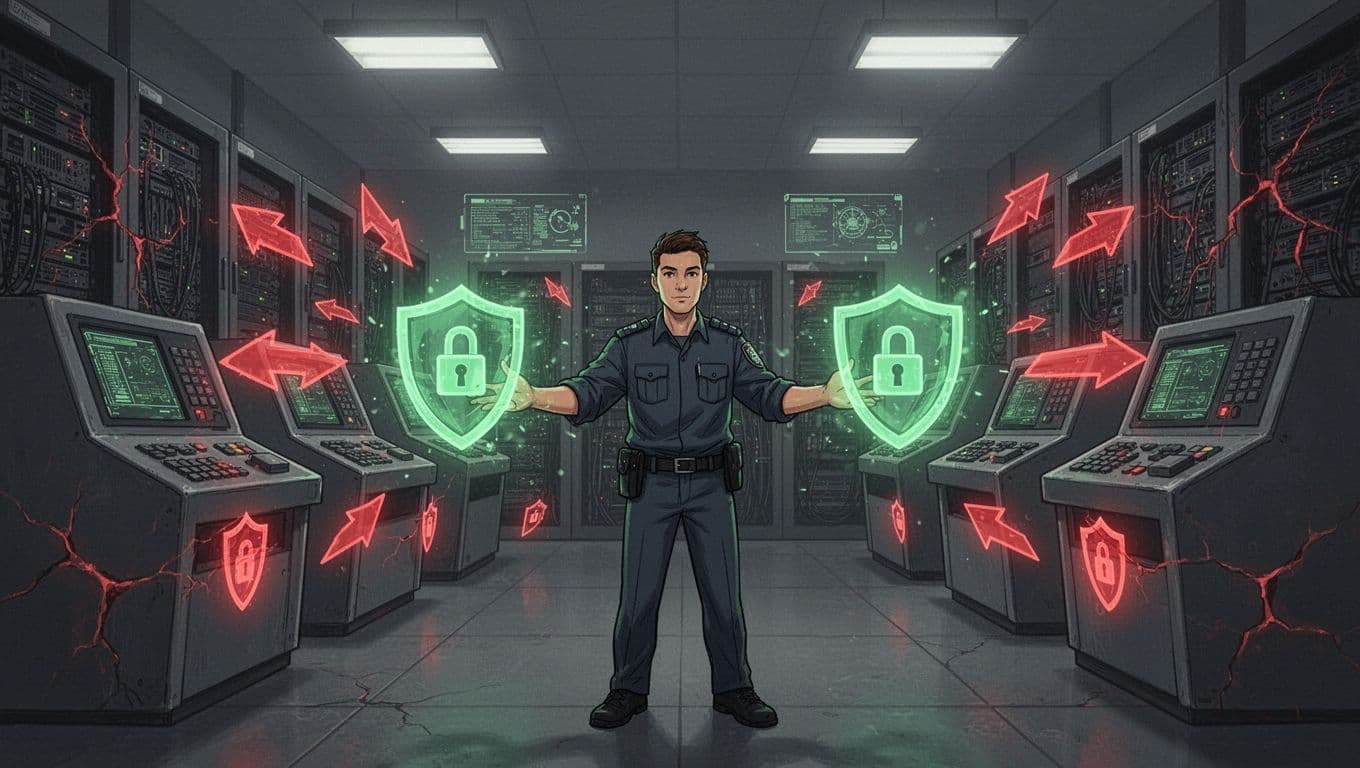
Compensating controls shine here. Firewalls block lateral moves. Behavioral monitoring spots odd access. Your hire must grasp these because full upgrades take years.
Key Qualifications to Look For
Seek hands-on experience first. A legacy system security engineer needs 7-10 years on mainframes, OT/ICS, or OpenVMS. They should know CICS, RACF, or similar.
Check these must-haves:
- OT/ICS exposure: Proven work securing industrial controls without disruption.
- Mainframe skills: RACF engineering, vulnerability scans on z/OS.
- Compensating controls: Builds segmentation, air-gaps, or SIEM integrations.
- Hybrid knowledge: Links legacy to cloud securely.
- Certifications: CISSP, but prefer GIAC GICSP for OT or mainframe-specific.
Education matters less than results. A BS helps, but projects count more. Look for roles like Senior Mainframe Security Engineer, which demand automation and incident handling.
Soft skills seal it. They explain risks to non-tech leaders. Past hires fixed unpatched Windows XP in factories, as one CSO report notes.

Where to Source Your Candidate
Specialized boards beat LinkedIn alone. Sites list niche jobs like Senior Legacy Systems Engineer for OpenVMS and TOLAS.
Recruiters excel here. Firms like Bud Consulting vet senior talent for hard fills. They match OT pros fast.
Networks matter too. Conferences on mainframe security or ICS forums yield leads. Postings stress 7+ years and clearances for remote roles.
Aim for sellers’ market perks. Top talent picks roles, so offer competitive pay and hybrid work.
Sample Interview Questions and Evaluation Criteria
Probe experience with specifics. Use these questions:
- “Walk us through securing a mainframe RACF database. What tools did you use?”
- “How do you patch unsupported OT systems? Give an example.”
- “Describe a compensating control for identity in segmented networks.”
- “How do vendor constraints affect your risk assessments?”
Score answers on depth. Strong responses detail tools like automated scans and real incidents. Weak ones stay generic.
Evaluate culture fit too. They must collaborate with ops teams. Rate on a 1-5 scale: technical depth (40%), legacy examples (30%), communication (20%), innovation (10%).

Red flags include no OT stories or cloud-only focus. Pass on those.
Onboard and Keep Them Productive
Start with access to systems. Pair them with ops for context. Set goals like risk audits in 90 days.
Retain via challenges. Legacy work evolves with hybrid threats. Offer training on 2026 tools like AI monitoring.
Regular check-ins build trust. They thrive when valued for niche skills.
Hiring a legacy system security engineer shields your core assets. They turn vulnerabilities into managed risks. Act now; breaches wait for no one. Book a Discovery Call with Bud Consulting to fill the role faster.
Your operations stay safe. That’s the win. (968 words)