table of contents
A strong incident response manager can calm a chaotic breach fast, but distributed teams need more than technical skill. They need someone who can direct work across time zones, keep updates clear, and make decisions without everyone in the same room.
That’s where many hiring processes miss. They overvalue past tools or SOC titles and undercheck the skills that matter in remote response, like async communication, command structure, and cloud-native judgment. The right hire keeps an incident moving when half the team is asleep and the other half is juggling three systems.
What distributed teams need from incident leadership
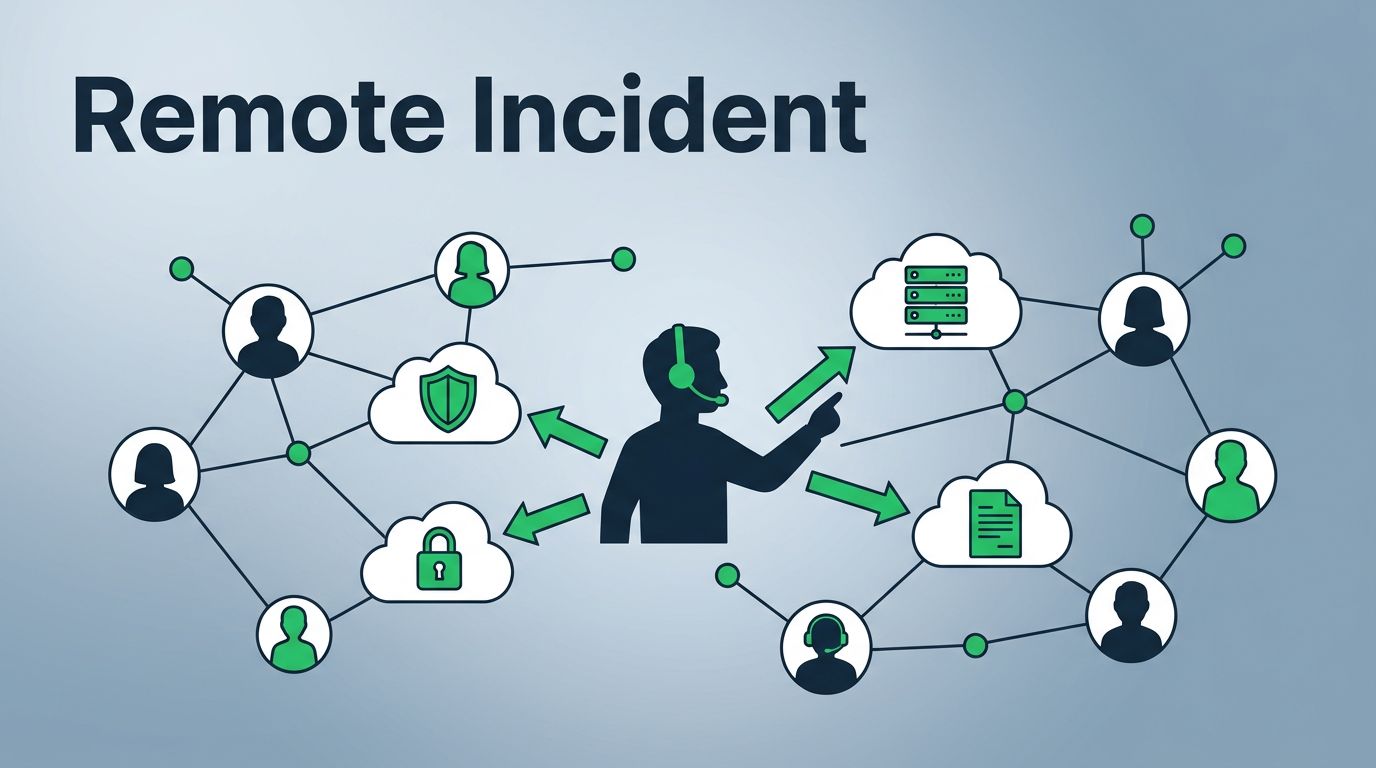
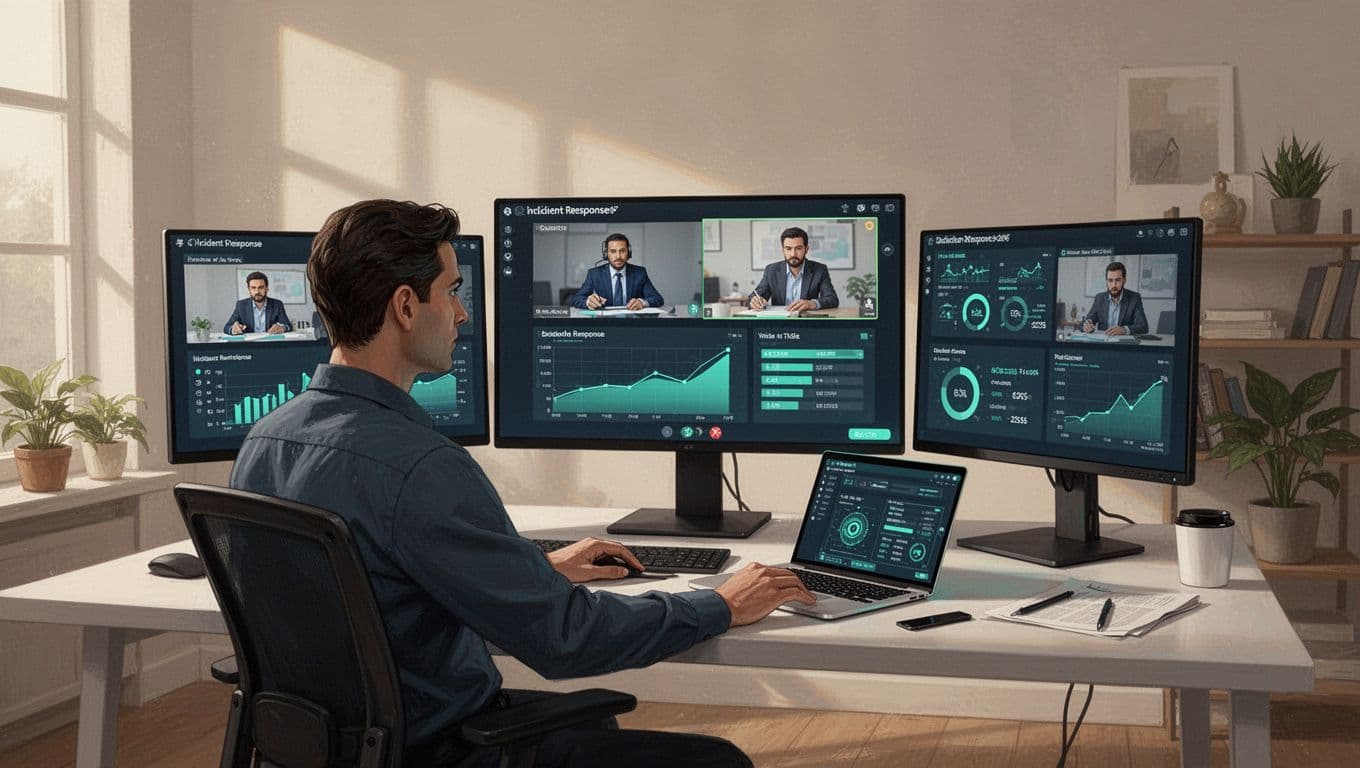
For remote-first organizations, the incident response manager is part commander, part translator, and part traffic controller. The role has to connect security, IT, engineering, legal, and leadership without losing speed.
Cloud-native environments make that harder. Logs live in different places, ownership is split across teams, and a simple misconfig can spread fast across Kubernetes, serverless, or multi-cloud systems. Recent cloud security trends point to the same issue, which is why experience in modern cloud operations matters so much, not just classic endpoint response. See cloud-native security trends in 2026 for a useful view of the current pressure points.
If a candidate can’t lead a clean written incident update, they’ll struggle when the room is quiet and the clock is moving.
Remote teams also need someone who understands on-call design. If escalation paths are vague, the right people arrive too late. A useful reference for this is distributed and global on-call best practices, which shows how coverage and handoffs work across regions.
Build a scorecard before you post the role
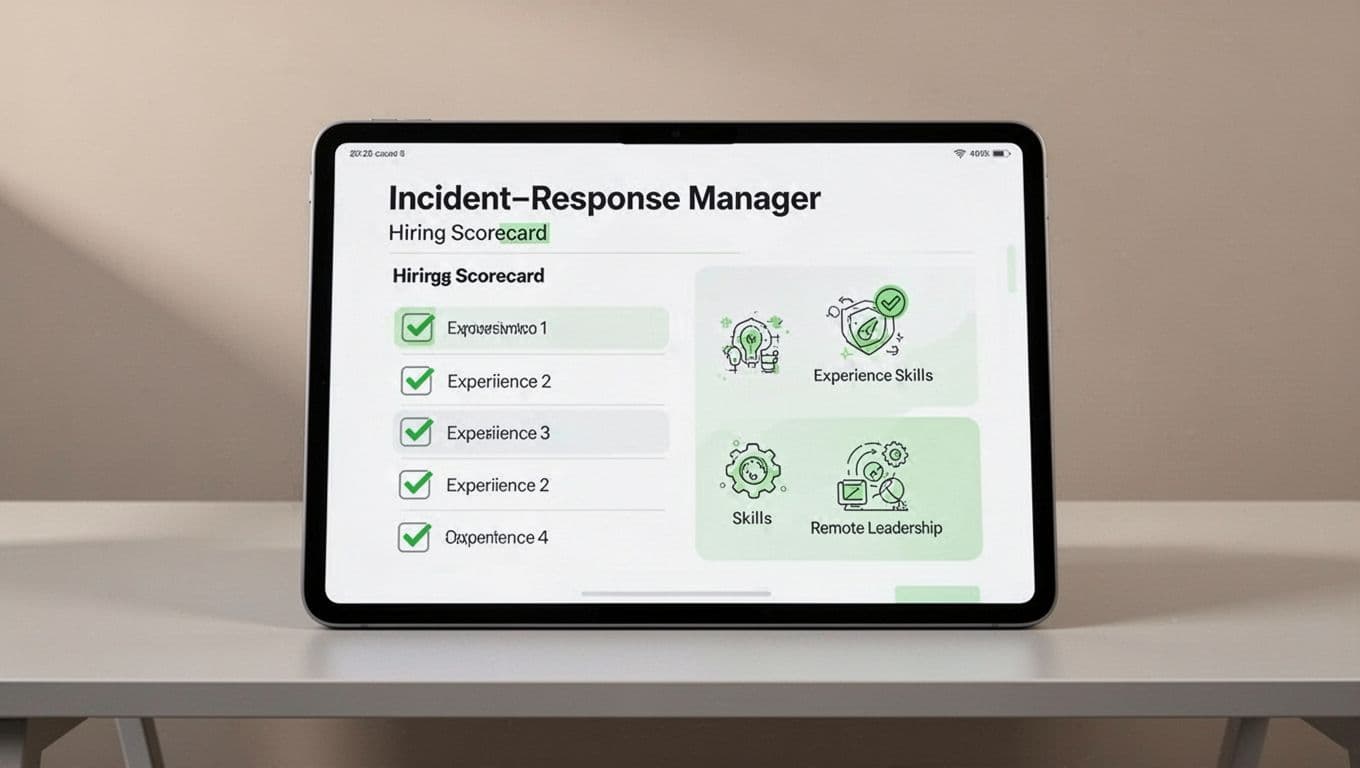
A scorecard keeps the hiring team honest. It turns a vague wish list into a clear picture of what success looks like.
Use this as a starting point:
| Criterion | Weight | What strong looks like | Red flags |
|---|---|---|---|
| Incident command | 25% | Can run triage, assign roles, and keep decisions moving | Waits for consensus during major incidents |
| Async communication | 20% | Writes crisp updates for execs, engineers, and vendors | Sends long, unclear messages |
| Cloud-native experience | 20% | Has handled incidents in Kubernetes, serverless, or multi-cloud setups | Only knows perimeter or legacy tools |
| Time-zone coordination | 15% | Has led handoffs across regions without gaps | Assumes everyone is available now |
| Compliance awareness | 10% | Understands breach notice, privacy, and evidence handling | Treats legal steps as an afterthought |
| Post-incident improvement | 10% | Turns lessons into playbooks and tabletop drills | Leaves follow-up work unfinished |
A candidate can look polished on paper and still fail under pressure. The scorecard helps you test the parts of the job that matter on day one.
If you want help finding senior security talent who can lead in this kind of environment, Book a Discovery Call with Bud Consulting.
Interview questions that reveal real incident command
Resumes can hide weak coordination skills. Interviews should expose how the candidate works when pressure is high and the room is split across time zones.
Use questions that force real examples, not theory:
- “Walk through the first 30 minutes of a high-severity incident when key people are in three time zones.”
- “How do you keep stakeholder updates moving when the right engineer is offline?”
- “Tell me about a vendor or SaaS provider that slowed containment. What did you do next?”
- “How have you handled evidence collection and legal handoff in a regulated environment?”
- “What changed in your process after a postmortem?”
- “Which cloud-native incident was hardest to coordinate, and why?”
A strong answer names roles, timing, and clear decisions. It should also show how the candidate prevents repeat mistakes. If they can’t explain the handoff chain, they probably won’t run one well.
For remote teams, you can also run a short tabletop exercise before final interviews. Give the candidate a fake incident, a messy Slack thread, and an out-of-hours escalation. Then watch whether they organize people or add noise.
Traits that predict success on remote teams
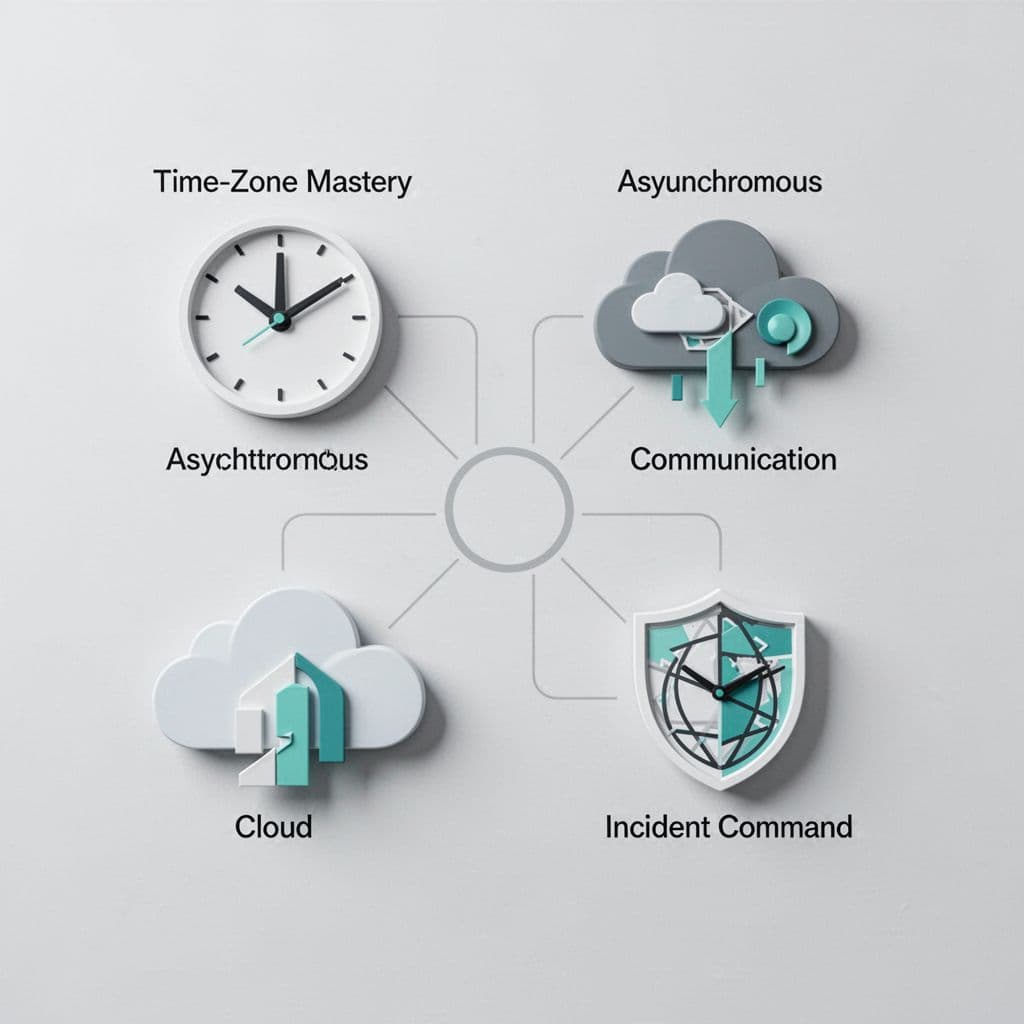
The best incident response manager for a distributed team usually has a few traits that show up again and again. Experience matters, but these habits matter more.
Look for someone who:
- writes clear updates without jargon
- stays calm when decisions are incomplete
- understands async work and time-zone handoffs
- has handled cloud-native incidents in real environments
- knows how to work with legal, compliance, and external vendors
- respects on-call fatigue and designs around it
- turns every major incident into a better playbook
One practical example helps here. A candidate who led a single-region SOC may have strong technical depth, but still struggle to coordinate a global SaaS outage. Another candidate may have fewer years in security, yet have run cross-functional incidents across engineering, support, and leadership. For distributed teams, the second profile often performs better because coordination is the job.
Conclusion
Hiring an incident response manager for distributed teams starts with a simple idea, the job is about command, communication, and follow-through as much as technical skill. If you screen for those traits early, you’ll avoid the common mistake of hiring someone who can investigate but can’t lead.
Use a scorecard, test real incident scenarios, and pay close attention to async habits and time-zone discipline. Those details decide whether your team regains control fast or spends the first hour figuring out who owns the room.