table of contents
Lean teams face tough choices in security hires. You need someone who cuts manual work fast, but budgets stay tight and managers juggle too much. A security automation engineer fits because they build tools that scale protection without adding headcount.
These pros automate alerts, scans, and responses. They free your team from repetitive tasks. In 2026, with threats spiking, this role delivers quick wins for startups.
You can land the right fit without recruiters or big spends. Let’s break down the steps.
Why Lean Teams Need a Security Automation Engineer Now
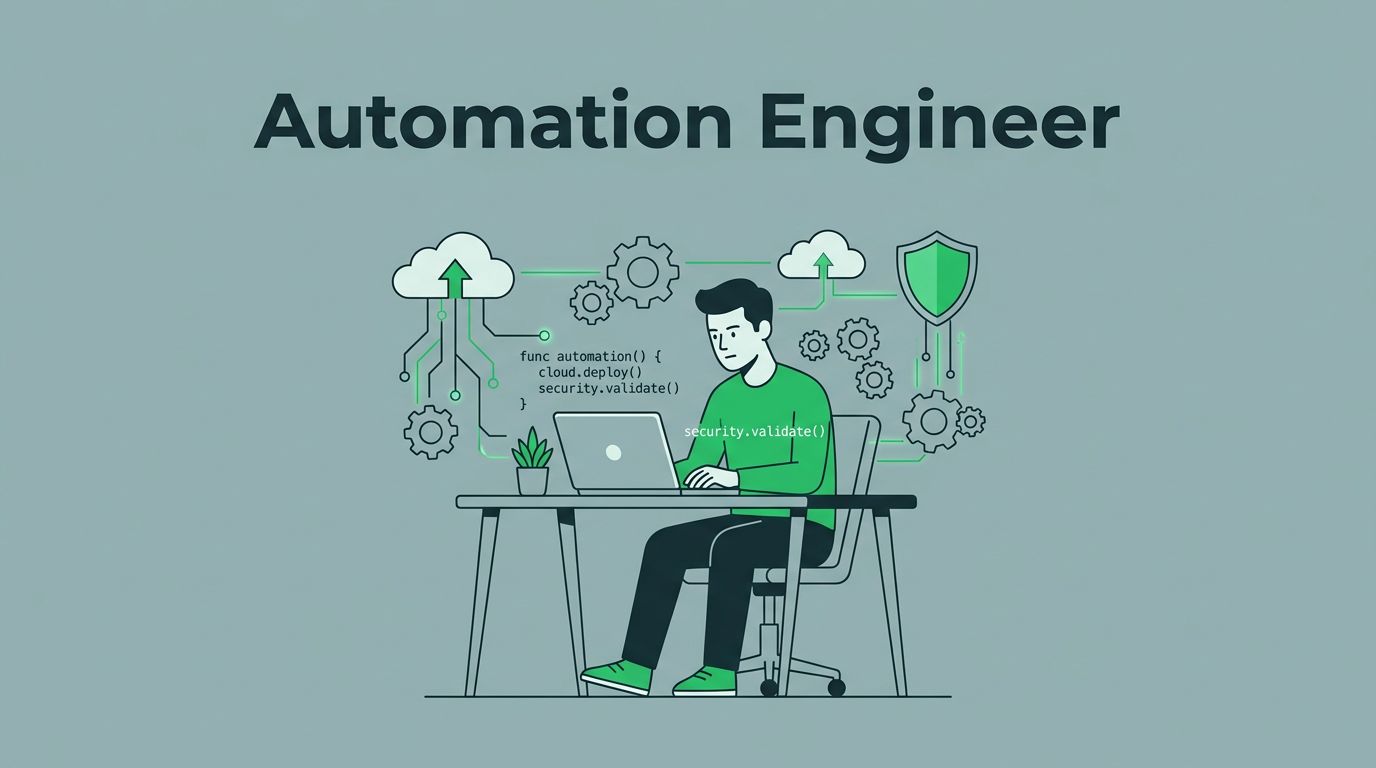
Startups skip full SOCs or security teams. Instead, one engineer automates defenses across cloud and endpoints. They handle high-leverage work like scripting SOAR playbooks or IaC scans.
Consider a typical day. Your engineer integrates Python scripts with Terraform to provision secure infra. Or they use tools like Splunk Phantom to triage alerts automatically. This setup cuts response times from hours to minutes.
Demand grows because attacks hit lean ops hard. Automation spots misconfigs early. It also scales as you grow, without proportional costs.
For context, check example job responsibilities for a security automation engineer. These match lean needs perfectly.
In short, hire here to multiply your security bandwidth.
Key Differences from Similar Roles
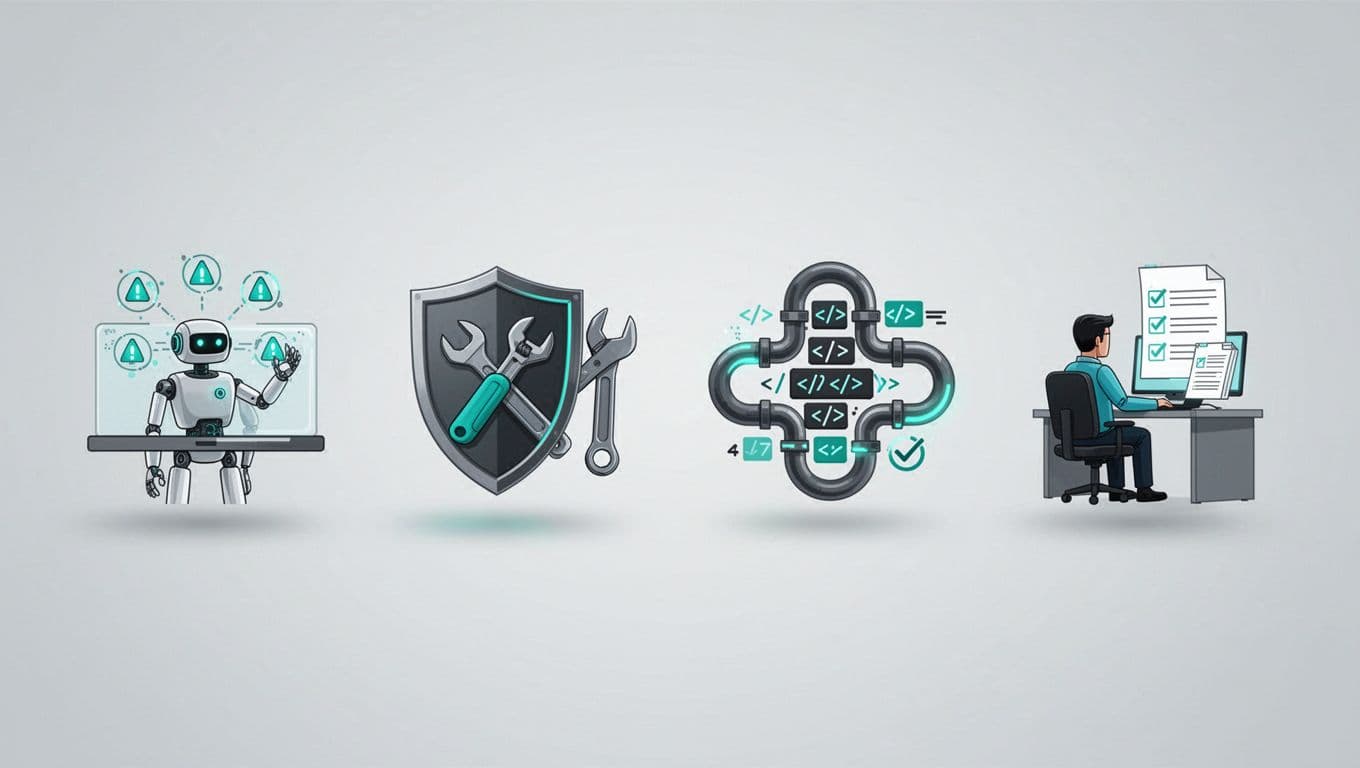
Many mix up roles. A security automation engineer focuses on code-driven automation. They build reusable scripts and integrations. Others react or design differently.
Security engineers harden systems manually. They patch servers or configure firewalls. Automation comes second.
DevSecOps engineers embed security in CI/CD pipelines. They use tools like Checkov for IaC. But they prioritize dev flow over ops response.
SOC analysts or automation roles triage tickets. They enrich logs in SIEMs. Yet they rarely own end-to-end tooling.
| Role | Core Focus | Tools Example | Lean Fit |
|---|---|---|---|
| Security Automation Engineer | Build scalable scripts/workflows | Python, SOAR (Phantom), Terraform | High; solo multiplier |
| Security Engineer | Design/implement defenses | Firewalls, IDS | Medium; needs support |
| DevSecOps Engineer | Pipeline security | GitHub Actions, Trivy | Good for dev-heavy teams |
| SOC Automation | Alert handling/ticketing | Splunk, Jira integrations | Reactive, not proactive |
This table shows why automation engineers shine in small teams. They reduce toil across functions. See SOC analyst vs security engineer breakdowns for more.
Pick the automation specialist to avoid overlap.
Skills and Experience to Prioritize
Target mid-level talent with 3-5 years. They hit the ground running in lean setups.
Must-haves include Python fluency. Expect scripts for API calls or data parsing. Also, SOAR platforms like Cortex XSOAR or Swimlane. These automate playbooks for incidents.
Terraform or Pulumi for infra automation ranks high. They secure AWS or Azure deploys. Add Git for version control and Docker for testing.
Certifications help but prove less than projects. Look for GitHub repos with security bots or Lambda functions.
Soft skills matter too. They collaborate with devs and ops without handholding.

Prioritize builders over operators. They deliver ROI fast.
Where to Source Candidates on a Lean Budget
Post on LinkedIn and Reddit’s r/cybersecurity. Target “security automation” keywords. Also, X (Twitter) threads on SOAR tools draw talent.
Use free tools like Indeed or ZipRecruiter. Filter for remote to widen pools.
Networks beat ads. Ask peers at meetups or Slack groups like SecOps. Offer referrals with small bounties.
In 2026, startups post equity-heavy offers. This attracts builders okay with risk.
Avoid agencies first. Build your pipeline manually.
Build Your Hiring Scorecard
Score candidates objectively. Use a simple 1-5 scale per criterion. Total over 30 means advance.

| Criterion | Weight | Notes |
|---|---|---|
| Python/Scripting | 25% | Built automation? |
| SOAR/Terraform Exp | 20% | Playbooks or IaC? |
| Security Domain Knowledge | 20% | MITRE ATT&CK familiarity? |
| Lean Team Fit | 15% | Solo project examples? |
| Communication | 10% | Explains tradeoffs? |
| Culture Add | 10% | Startup energy? |
This keeps bias low. Adjust weights for your stack.
Nail the Interviews with Targeted Questions
Ask practical questions. Probe real work.
Question 1: Walk us through automating an alert triage workflow.
Strong answer: “I used Python to pull Splunk alerts via API, enrich with VirusTotal, then post to Slack or auto-remediate low-risk via Ansible. Reduced MTTR by 40%.”
Question 2: How do you secure Terraform modules in a fast-paced team?
Strong: “Policy-as-code with OPA, pre-commit hooks for tfsec scans, and GitHub Actions CI. Catches issues before merge.”
Question 3: Describe a failed automation and fix.
Strong: “Over-automated quarantines caused false positives. Added human review loops and ML tuning. Now 95% accurate.”
Test with a 1-hour take-home: Script a simple SOAR playbook.
These reveal thinkers from talkers.
Salary and Onboarding Realities in 2026
Expect $155,000-$190,000 base for mid-level in US startups. Seniors hit $195,000+. Equity sweetens it; aim 0.5-1% for lean firms.
Remote roles save costs. Offer $150k base plus equity in SF-equivalent hubs.
Onboard with clear wins. Week 1: Automate one pain point. Measure impact weekly.
Check 2026 cybersecurity salary trends for benchmarks.
If bandwidth lacks, Book a Discovery Call with Bud Consulting to vet fast.
Hiring right builds lasting security. Your lean team gains an automation force multiplier. Act now; talent moves quick in 2026.