table of contents
Hiring a security operations architect can go wrong fast when the role is vague. In 2026, the best candidates do more than tune alerts. They shape cloud controls, automation paths, and response rules across hybrid environments.
If you hire for old-style triage, you’ll miss the person who can redesign the operation. The right search starts with clear outcomes, then moves through tests that show how a candidate thinks under pressure.
Write the job description around outcomes
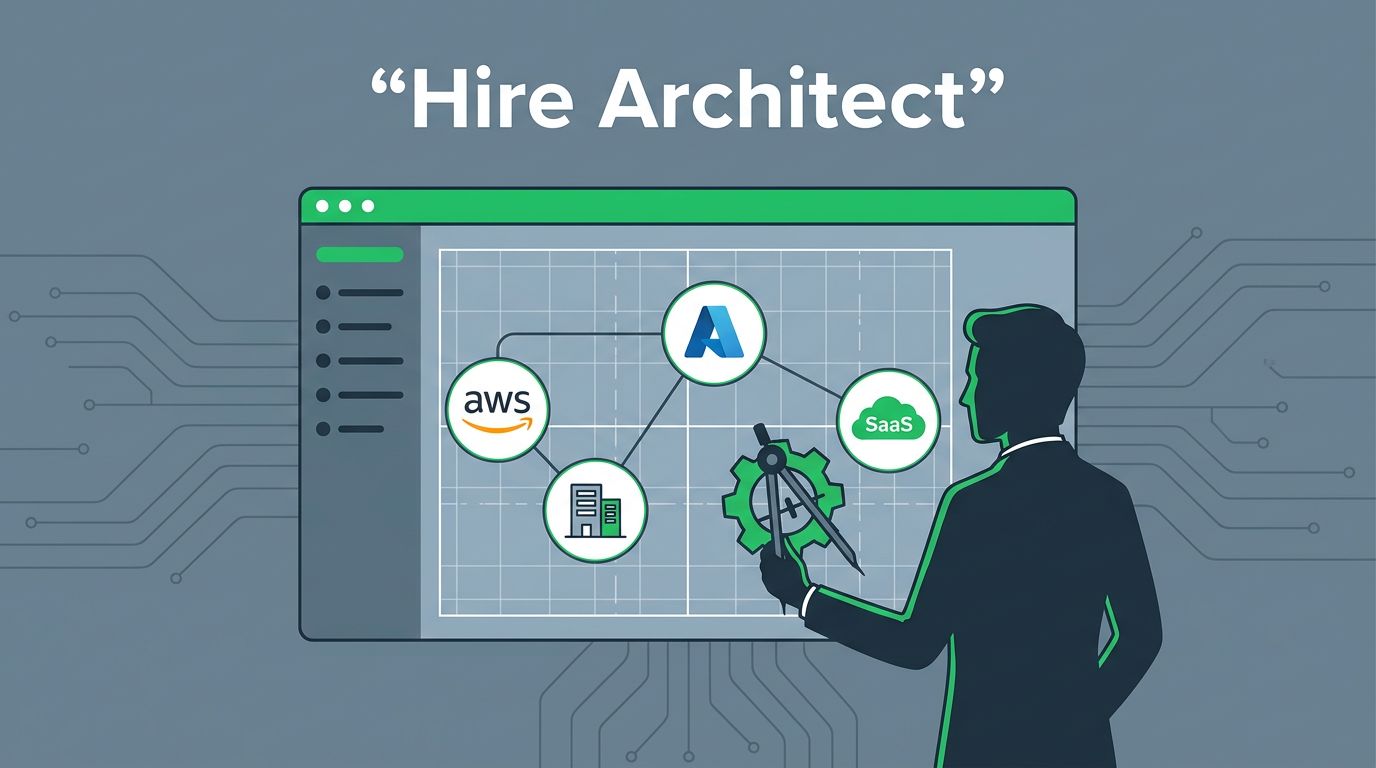
A strong job post reads like a design brief, not a wish list. State the environment, the systems, and the decisions the person owns. If your SOC spans AWS, Azure, on-prem, SaaS, and identity platforms, say that up front.
Spell out who owns detection rules, who owns cloud policy, and who owns incident command. Good candidates want boundaries because they want to know where they can make a difference. If the role also mentors analysts or leads vendor reviews, include that too.
That matters because modern SOCs now mix people, automation, and AI-assisted analysis. Microsoft’s view of the agentic SOC is a good signal of where the work is heading.
A concise job ad should answer four questions:
| Area | What to state | Why it matters |
|---|---|---|
| Environment | Cloud, hybrid, identity, endpoint, SIEM, SOAR | Filters out people who have not built similar systems |
| Outcomes | Faster detection, cleaner response, fewer false positives | Shows what success looks like |
| Governance | Audit logs, approvals, retention, compliance duties | Signals that business risk matters |
| Integration | APIs, playbooks, case management, AI copilots | Attracts builders who connect tools |
The best ads attract builders, not tool collectors. If the role needs deep cloud and compliance work, say so clearly. If it also owns detection engineering or platform integration, name that in plain language.

Screen for architecture work, not title inflation
A security operations architect should connect SIEM, SOAR, endpoint, cloud logs, IAM, and ticketing without creating a brittle mess. Look for proof in the resume, not just senior titles. A candidate can sound polished and still have little design depth.
Use a quick screen for these signals:
- Built detections across cloud and on-prem systems
- Tuned automation or response playbooks
- Worked with audit, legal, or risk teams
- Cut noise without breaking real alerts
- Explained tradeoffs in plain language
Ask how they handled a workflow that failed. Ask how they tested the fix. Ask how they would stop the same issue from returning. Those answers reveal systems thinking much better than a list of vendor names.
The way teams organize around AI now matters too. Torq’s 2026 AI SOC org chart is a useful reminder that architects sit near the outcome layer, where policy, risk, and design meet.
Ask how the candidate handles false positives, broken APIs, and bad automation outputs. That tells you more than a cert list.
A strong screen also checks communication. The right hire should explain a control change to engineers, SOC analysts, and a CISO without changing the story each time.
Structure interviews around real incidents
The best interview feels like a short design review. Start with a real incident or a recent control gap. Then ask the candidate to explain what they would change, what they would keep, and why.
Include one SOC manager, one cloud engineer, and one risk or compliance leader in the panel. That mix stops any single interviewer from overvaluing their own priority. It also shows whether the candidate can move across teams without friction.

Use scenario questions that force tradeoffs:
- A cloud workload starts exfiltrating data. What logs, controls, and handoffs matter first?
- An identity alert fires during an active release. How do they avoid blocking the business?
- A SOAR flow auto-isolates the wrong host. How do they recover and prevent repeat failure?
- An auditor asks for evidence. What data would they collect, and how fast can they produce it?
That mix reveals how the candidate thinks about detection, response, compliance, and change control. It also shows whether they can work with engineering teams instead of dictating to them.
For a broader view of the skill set this job now needs, the 2026 SOC analyst skill set article is a useful cross-check. The title says analyst, but the thinking applies to architecture too.
Score the candidate against the SOC you actually run
A good hire matches your operating model, not a generic checklist. If your SOC is cloud-heavy, the person needs strong identity and logging judgment. If you are in a regulated sector, they need comfort with control mapping, evidence, and policy work.

Common mistakes are easy to spot:
- Hiring for a famous tool instead of system design
- Treating certifications as proof of architecture skill
- Skipping a hands-on scenario round
- Ignoring communication with IT, DevOps, and compliance
- Expecting one person to replace three roles
A simple scorecard helps. Rate each candidate on system design, automation judgment, cross-team communication, compliance fluency, and change management. If one area is weak, decide whether the gap is trainable or a deal breaker.
Reference checks matter here. Ask former peers how the person handled disagreement, change requests, and production pressure. Senior architecture talent is scarce, so move with purpose, but don’t skip the evidence.
If the role spans multiple teams and the scope still feels fuzzy, Book a Discovery Call with Bud Consulting.
Conclusion
Hiring a security operations architect is really about hiring a decision-maker. The right person can shape cloud visibility, automate safe responses, and keep the SOC aligned with business risk.
When the job description is clear, the interview is scenario-based, and the scorecard matches the real environment, the search gets easier. That is how you find someone who can build a modern SOC instead of just keeping tickets moving.