table of contents
A hijacked Instagram or LinkedIn account can turn into a public mess in minutes. Posts go out that you never wrote. DMs start sending scams. Customers see the brand in a bad light before lunch.
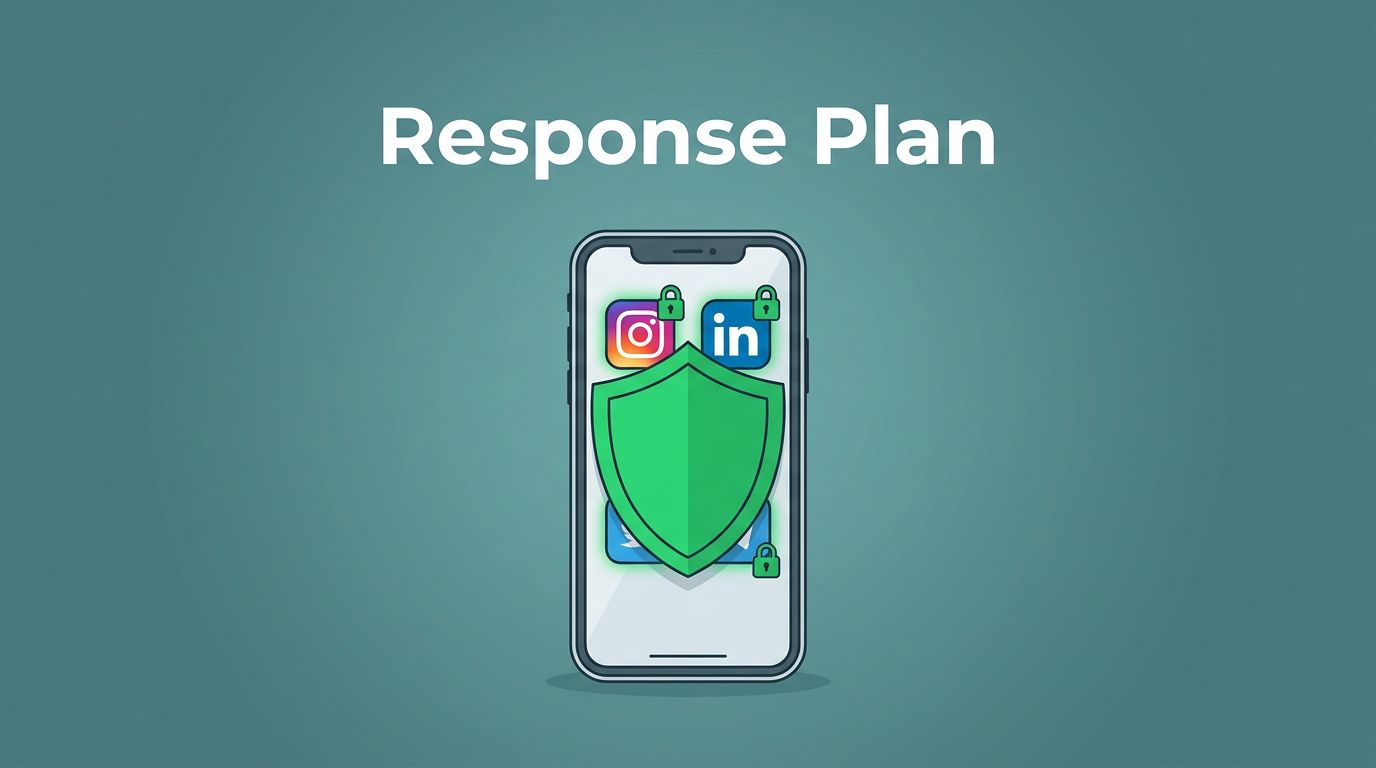
A solid social media takeover response plan keeps the damage small and the recovery fast. In 2026, reused passwords, credential stuffing, and fake recovery messages are still common entry points. The best plans give security, legal, PR, and support one shared playbook.
Build the response team before an incident starts
When an account is hit, confusion is the second threat. Who freezes posts? Who talks to platform support? Who writes the public update?
A clear ownership map cuts that confusion fast. It also keeps the team from arguing while the attacker keeps moving.
- Security handles containment, password resets, session revokes, and log review.
- Legal tracks evidence, reviews notices, and checks disclosure risk.
- PR or communications writes the external message and keeps it consistent.
- Customer support watches for scam replies, complaints, and impersonation reports.
- Marketing pauses scheduled posts and paid campaigns tied to the account.
Keep this list in a shared folder and review it often. If you need a model for the legal side, review this legal response playbook for account takeovers.

Map the first hour of action
The first hour should be about containment, not perfect wording.
A stolen login spreads fastest when nobody owns the first move.
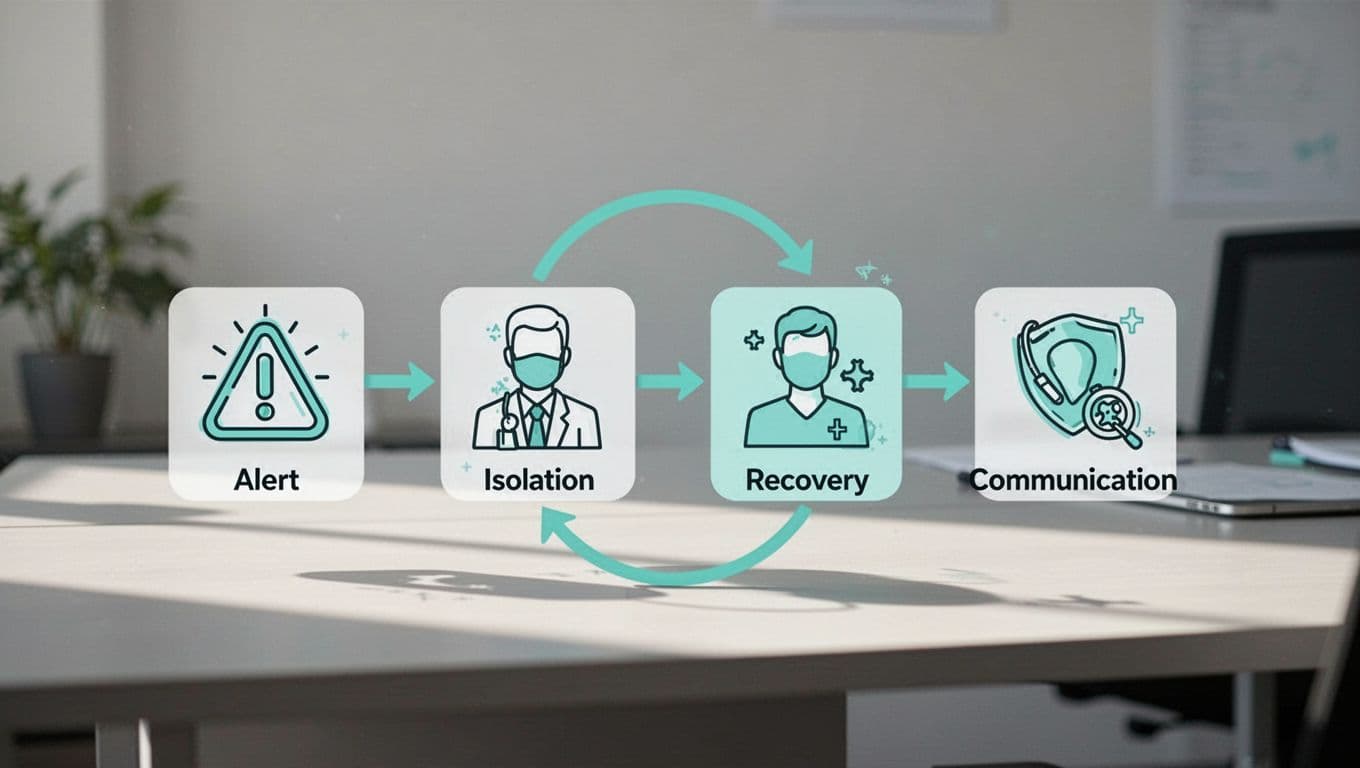
Start with a short, time-based workflow. That keeps people from jumping ahead or skipping steps.
- Stop the bleed. Pause scheduled posts, ads, and automations tied to the account.
- Cut off access. Sign out of all sessions, change passwords, reset MFA, and revoke connected apps.
- Preserve proof. Save screenshots, login alerts, post timestamps, messages, and case numbers.
- Notify the right people. Use the approved escalation path to reach security, legal, PR, and support.
- Contact the platform. Submit proof of ownership and ask for recovery, lockout help, or impersonation takedown.
A time-sequenced guide can help here, and this recovery checklist is a useful reference for the first 24 hours.
If the account is still live, use a verified channel you control to warn customers. Keep the message short. Tell them what happened, what to ignore, and where to get updates.
Lock down access before the next attack
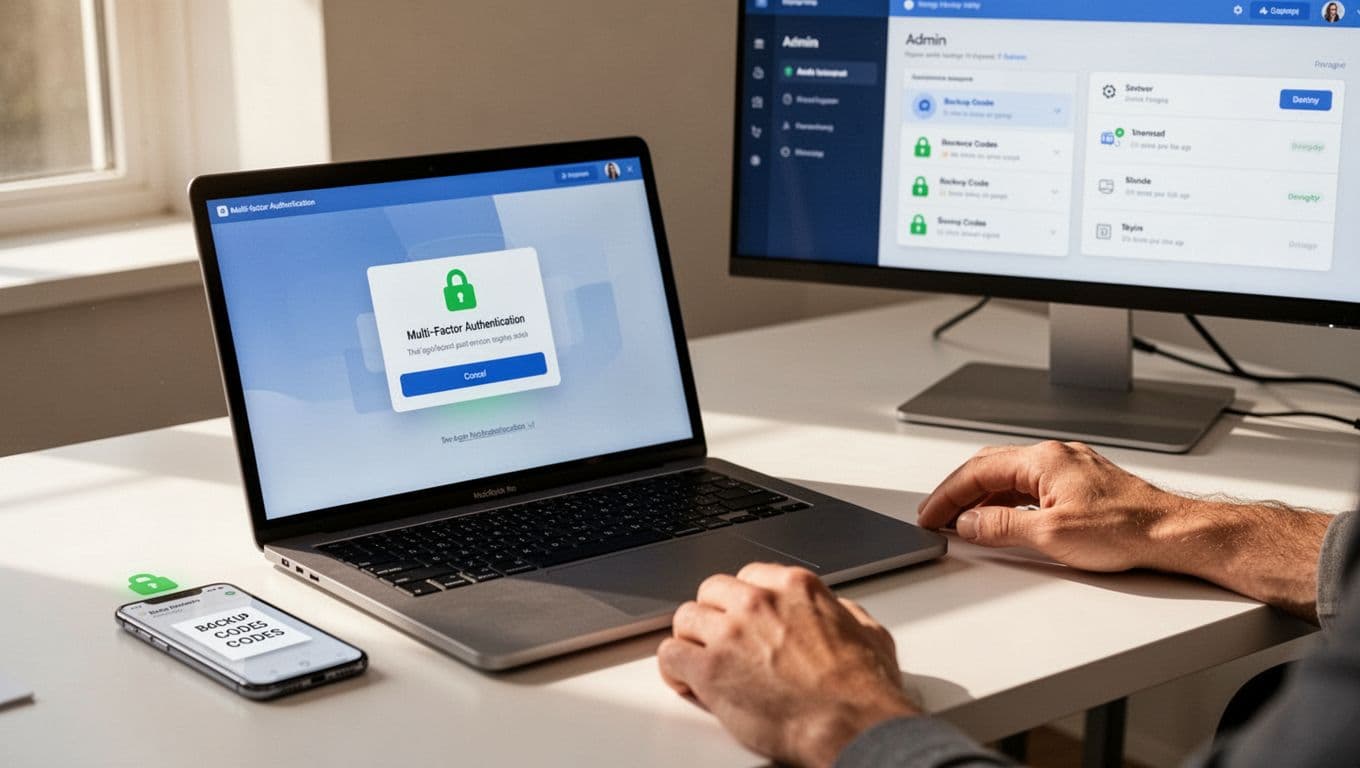
Prevention starts with MFA on every account, plus unique passwords stored in a password manager. Keep backup codes in a secure vault, not in chat threads or spreadsheets. Review admin roles on a set schedule, and remove ex-team members the same day they leave.
In 2026, many takeovers still start with reused credentials and fake recovery emails. That means the basics still matter most.
On Instagram and Facebook, review Business Manager roles, page admins, and recovery settings. On LinkedIn, audit company-page admins and connected apps. On X, TikTok, and YouTube, confirm the recovery email, phone number, and channel access. Keep direct support contacts for each platform in one file, along with the approved escalation path.
Keep this checklist close
- MFA is on for every brand account, and backup codes are stored safely.
- Passwords live in a manager, not in shared notes or email threads.
- Admin roles and connected apps are reviewed on a set schedule.
- One backup owner exists for each platform.
- Platform support contacts and case templates sit in one shared folder.
- The approved escalation path works after hours.
If your team needs help shaping the process, Book a Discovery Call with Bud Consulting.
Keep the business running during recovery
A takeover is a security event, but it can also become a customer service problem. Scammers may post offers, send fake links, or mimic staff in comments. Meanwhile, your team still needs to answer real customer questions.
This is where business continuity matters. PR should have holding language ready. Support should have a short script. Legal should keep screenshots and timestamps. Security should watch for related logins, password resets, and changes to email or phone recovery data.
A wider cross-team playbook helps here too. If you want to compare your process with a formal incident structure, this enterprise takeover playbook is a useful reference.
After recovery, run a short review. Which alert came first? Which approval took too long? Which contact was missing? Turn those answers into updates, then test the plan again.
The calmest teams recover fastest
A good response plan is simple, written down, and easy to follow under pressure. It names the owners, sets the first-hour steps, and keeps platform access under control.
That kind of prep matters long before the next alert arrives. When a stolen login turns into a public problem, the teams that recover best are the ones that planned on a quiet day.