table of contents
A payroll delay, a fake bank-change email, or a benefits data breach can turn a normal workday into a scramble. When HR and Finance don’t rehearse together, small gaps in approvals, communication, or escalation can grow fast.
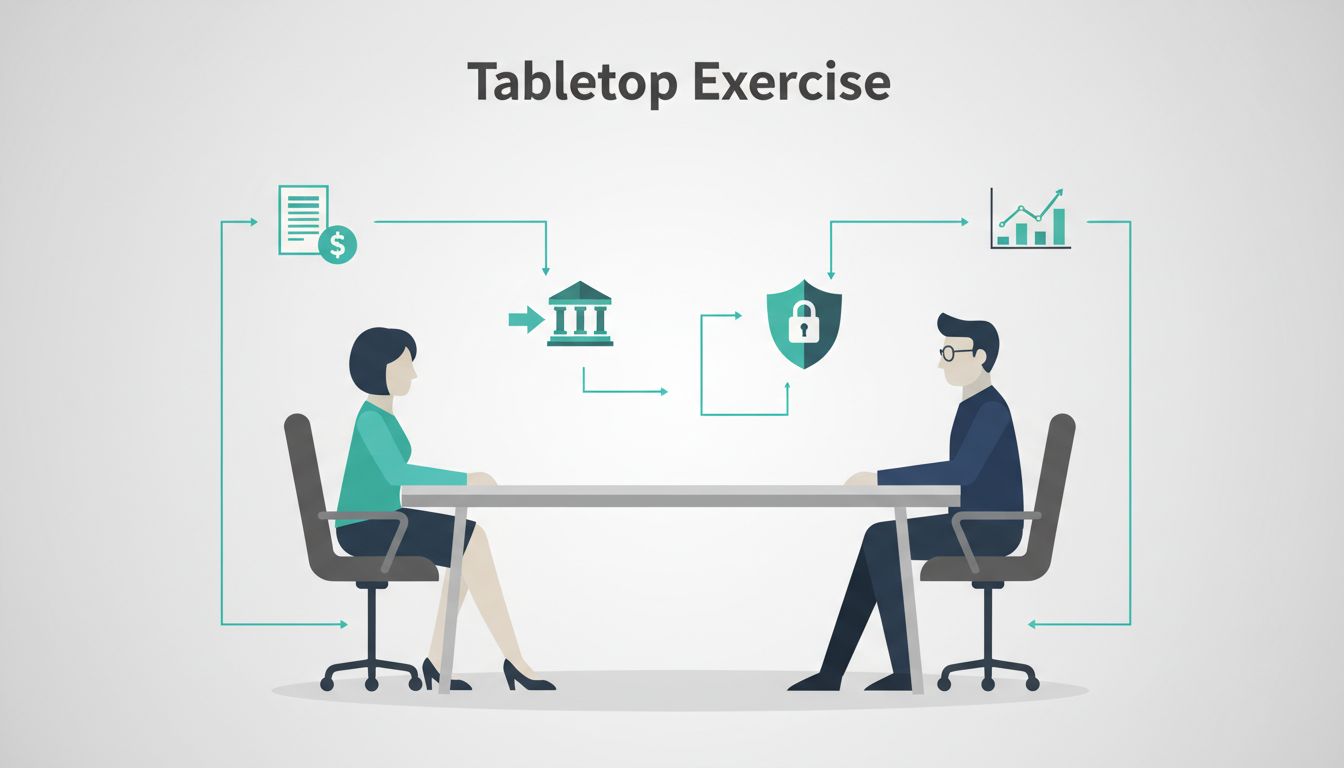
A tabletop exercise helps both teams test how they respond before a real incident hits. It also shows where policies are unclear, where handoffs break down, and who needs to make decisions under pressure.
Start with the risks HR and Finance share
HR and Finance touch the same sensitive data, even if they handle it in different ways. Payroll files, employee bank details, benefits records, tax data, and executive contact lists often sit across both teams.
That overlap creates common exposure. A business email compromise can target payroll changes. A rogue insider can try to alter direct deposit details. A vendor outage can delay pay and trigger panic. A privacy incident can raise questions about employee notice, record keeping, and regulatory response.
If you want a practical view of backup planning, the article on backup payroll planning is a useful companion. For insider risk, this tabletop exercise guide gives a helpful baseline.
The best exercises focus on one clear business problem. For example, “Payroll is due Friday, but the vendor portal is down and two bank changes look suspicious.” That scenario is simple, familiar, and stressful enough to reveal real gaps.

Build one scenario that feels real
Pick a scenario that matches your biggest risk, then keep the details close to real life. The point is pressure, not drama.
A good HR and Finance scenario often includes one of these triggers:
- A payroll vendor outage on pay day.
- A fake email from the CEO asking for urgent payment.
- A direct deposit change request that looks valid but feels off.
- A suspected insider changing employee data.
- A data breach that exposes salary, bank, or benefits records.
Keep the story short. Add just enough detail to make people decide who acts first, who approves changes, and who speaks to employees or leaders.
A tabletop exercise should surface friction before a real incident does.
Run the session in five simple steps
- Set the scope. Decide which risk you are testing, who attends, and what success looks like. For HR and Finance, that usually means payroll, benefits, employee data, fraud response, and communications.
- Assign roles. Name a facilitator, a scribe, and a decision-maker for each function. Include Legal, Compliance, IT, and Business Continuity if the scenario may trigger wider impact.
- Walk through the first hour. Present the scenario in small pieces. Pause often. Ask who notices the issue, who validates it, and who has authority to act.
- Test the handoffs. This is where the exercise earns its keep. Ask how HR sends a bank-change alert to Finance. Ask how Finance verifies it. Ask who updates leadership and how employee messages get approved.
- Close with actions. Capture gaps, owners, due dates, and policy changes. Then schedule a follow-up review so the exercise leads to fixes, not just notes.
Use a two-hour agenda that keeps people focused
A simple agenda helps the room stay on track. It also stops the session from drifting into general discussion.
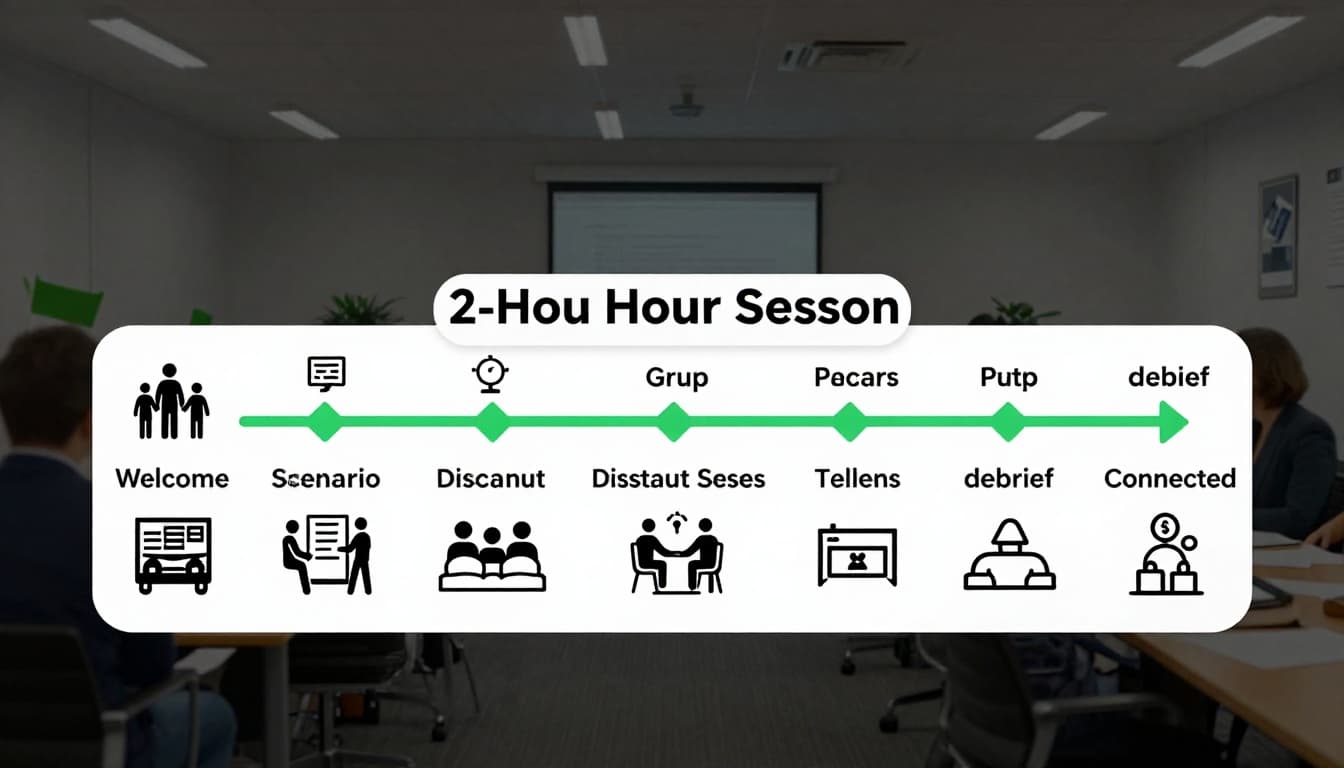
| Time | Segment | What to cover |
|---|---|---|
| 0:00 to 0:10 | Welcome | Purpose, roles, and ground rules |
| 0:10 to 0:25 | Scenario brief | Payroll issue, fraud alert, or data breach |
| 0:25 to 0:55 | Initial response | Who confirms facts and who escalates |
| 0:55 to 1:25 | Decision points | Payment holds, employee notices, vendor contact |
| 1:25 to 1:50 | Regulatory and legal review | Reporting duties, records, and approvals |
| 1:50 to 2:00 | Debrief | Gaps, owners, and next steps |
The main goal is speed of coordination. If the right people can’t find each other, verify facts, and agree on action, the response will slow down.
Ask questions that expose weak spots
Strong questions force people to explain how the work gets done, not how the policy reads. Use open prompts that reveal real decision paths.

Use questions like these:
- Who verifies a bank change request when payroll is under time pressure?
- What happens if the payroll or benefits vendor is unavailable on payday?
- Who can freeze a payment or delay a file transfer?
- How do you spot a fake executive email before money leaves the company?
- What employee data may have been exposed, and who decides on notice?
- Which leaders need to approve a public or employee message?
- How do you document decisions for audit or regulatory review?
These questions work because they link action to ownership. They also show whether your process depends on one person’s memory instead of a clear workflow.
Leave the room with a short action list
The exercise should end with a short list that someone can own. Keep it practical and specific.
- Update the payroll and benefits escalation path.
- Confirm backup contacts for HR, Finance, Legal, and IT.
- Review bank-change and payment approval rules.
- Tighten employee communication templates.
- Test the backup payroll process at least once.
- Assign a date for the next review.
If you want outside help shaping the scenario, facilitating the room, or aligning HR and Finance on response steps, Book a Discovery Call with Bud Consulting.
A good tabletop exercise makes hidden risk visible. It shows where payroll, benefits, fraud response, and employee communications need sharper coordination, before a real incident forces the issue.