table of contents
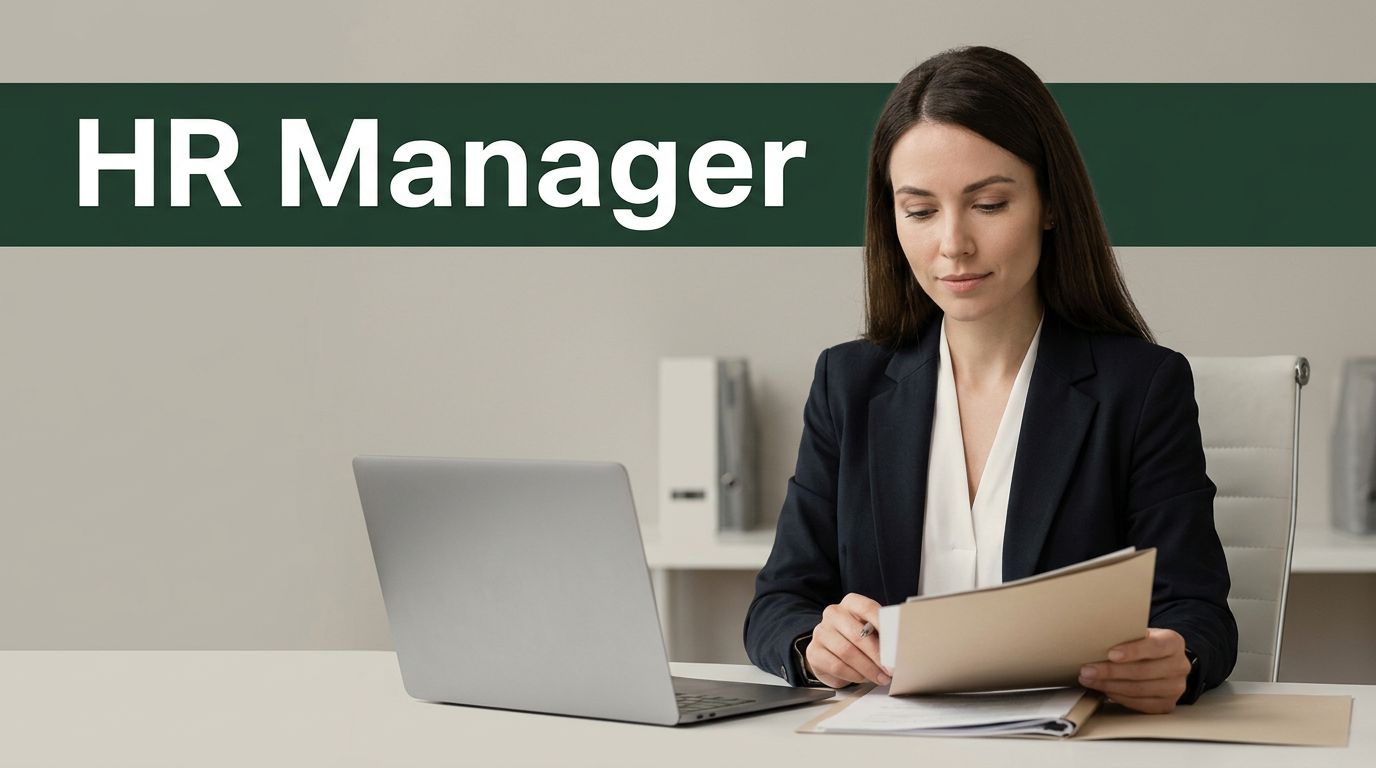
An HR manager connects an organization’s workforce needs with its people processes. If you’re applying for a job, managing a team, or dealing with a workplace issue, the HR manager is often the person who explains policy, coordinates action, and keeps records moving.
The role is broader than hiring. An HR manager may manage recruitment, onboarding, employee relations, performance, benefits, training, compliance, and workforce planning. Exact authority and legal duties vary by organization and location. The role becomes clearer when you look at what the person owns, what they advise on, and what they cannot decide alone.
What Is an HR Manager?
An HR manager leads the human resources function for an organization, department, or business unit. Their work covers the systems and processes that support employees throughout their employment.
In a small company, one HR manager may handle most HR activity. That can include writing job descriptions, interviewing candidates, preparing contracts, managing payroll information, responding to employee concerns, and maintaining personnel records.
In a larger organization, the role is usually divided across a team. The HR manager may supervise HR generalists, recruiters, payroll staff, or employee relations specialists. They may also support a particular business area, such as engineering, sales, operations, or cybersecurity.
The BLS overview of HR managers describes the role as overseeing employee relations, compliance, and employee services such as payroll, training, and benefits. The exact list changes between employers.
An HR manager usually owns the HR process. They don’t always make the final business decision.
The HR manager often works with senior leaders and department managers. They help the business plan its staffing needs, apply workplace policies, and handle employee matters in a consistent way.
What Does an HR Manager Do?
The day-to-day work depends on the size and structure of the employer. Most HR managers cover several areas at the same time.
Workforce planning and hiring
HR managers help identify how many employees the organization needs and which skills each role requires. They may review headcount plans, approve job descriptions, set recruitment processes, and coordinate hiring with department leaders.
Recruitment can include:
- Writing or reviewing job descriptions.
- Choosing recruitment channels and search firms.
- Coordinating interviews and candidate assessments.
- Checking references or background information where permitted.
- Preparing offers and employment documentation.
- Organizing onboarding for new employees.
The hiring manager usually assesses technical ability and team fit. The HR manager checks that the process, documentation, pay range, and employment terms follow company policy and applicable law.
For a detailed view of common responsibilities, see this HR manager job description. It includes employee relations, HR planning, policy development, and recruitment activity.
Employee relations and performance
Employee relations covers workplace concerns and the relationship between employees, managers, and the organization. An HR manager may receive complaints, support investigations, document findings, and advise managers on next steps.
Typical matters include conflict between colleagues, attendance issues, conduct concerns, discrimination complaints, workplace adjustments, and alleged policy breaches. The HR manager may not make every decision, but they help the organization follow a fair and documented process.
Performance management is another common responsibility. HR managers help create review processes, performance improvement plans, promotion criteria, and disciplinary procedures. They may train managers to give feedback and keep performance records.
Good HR practice needs clear facts. It also needs consistent treatment. A manager who wants to dismiss an employee may need HR support before taking action, but HR doesn’t automatically approve every request.
Policies, pay, benefits, and training
HR managers create, maintain, and communicate workplace policies. These may cover leave, conduct, remote work, health and safety, acceptable use of technology, data handling, and reporting concerns.
They may also coordinate benefits, salary reviews, payroll inputs, pensions, employee records, and training programs. In some organizations, finance owns payroll while HR owns the employee data and approval process.
Training can include manager development, compliance training, onboarding, security awareness, and role-specific learning. HR may identify the need and manage delivery, while subject matter experts provide the technical content.
Legal requirements differ by country, state, and industry. Company policies can’t replace local employment law. HR managers need access to current legal guidance and may work with internal or external legal advisers on higher-risk issues.
What Authority Does an HR Manager Have?
An HR manager’s authority depends on the organization’s structure, policies, and seniority. The title alone doesn’t show how much decision-making power the person has.
Some HR managers can approve recruitment, compensation changes, leave arrangements, and disciplinary action. Others prepare recommendations for a director, executive, or business leader. A department manager may have final authority over a team, while HR checks that the decision follows policy and legal requirements.
HR managers often have access to confidential information. This can include salaries, medical information, complaints, investigation records, immigration documents, and performance data. Employees should expect careful handling of that information, but confidentiality has limits.
If a complaint involves harassment, violence, discrimination, fraud, or a safety risk, HR may need to share information with decision-makers, investigators, legal advisers, or authorities. The process depends on the facts and local requirements. HR can’t promise that every conversation will remain completely private.
HR is also not a substitute for a direct manager. A line manager normally sets daily priorities, assigns work, and reviews operational performance. The HR manager supports the employment relationship and advises on people-related decisions.
HR Manager vs Other HR Roles
Titles vary, but these roles usually have different levels of responsibility.
| Role | Main focus | Typical responsibility |
|---|---|---|
| HR assistant | Administrative support | Records, scheduling, documents, and basic employee requests |
| HR generalist | Broad HR support | Recruitment, onboarding, policies, benefits, and employee relations |
| HR manager | Function or team leadership | HR planning, advice, policies, case management, and team supervision |
| HR director or VP | Senior HR leadership | Organization-wide people strategy, risk, budgets, and executive advice |
| Recruiter | Hiring activity | Candidate sourcing, interviews, and recruitment coordination |
An HR manager may still perform generalist or recruiting work, especially in a small company. A large organization may have several HR managers, each responsible for a region or business unit.
An HR business partner may work closely with executives and department leaders on workforce planning and organizational decisions. Some companies treat the HR business partner as a senior advisory role. Other companies use the title for a similar position with different duties.
The important point is scope. Read the job description, reporting line, and decision rights. Don’t rely on the title alone. A current HR manager job description template can help job seekers compare the duties listed by different employers.
What Skills Does an HR Manager Need?
HR managers need people skills, business judgment, and strong administrative control. The role involves sensitive information and decisions that can affect employment, pay, and team performance.
Important skills include:
- Clear written and verbal communication.
- Knowledge of employment policies and applicable law.
- Interviewing and hiring coordination.
- Conflict management and investigation practice.
- Performance management.
- Recordkeeping and HR information systems.
- Data protection and confidentiality.
- Workforce planning and budget awareness.
- Manager coaching.
- Sound judgment under pressure.
Communication needs to be direct. Employees need to understand what will happen next. Managers need practical advice they can apply. Senior leaders need accurate information about workforce costs, risks, vacancies, turnover, and capability.
HR managers also need to separate facts from assumptions. A complaint may require interviews, written evidence, policy review, and a clear record of decisions. A rushed response can create additional employee, legal, and operational risk.
Qualifications vary. Many employers ask for a degree or professional HR qualification, but experience can carry significant weight. A person may progress from HR assistant or HR generalist to HR manager after gaining experience in recruitment, employee relations, policy work, and people management.
Why HR Managers Matter to Cybersecurity Teams
Cybersecurity hiring creates HR challenges that general recruitment processes may not solve. Roles often require scarce technical skills, access to sensitive systems, security clearance, on-call work, or experience with regulated environments.
An HR manager may support a security leader with role design, salary benchmarking, recruitment suppliers, interview structure, onboarding, and retention. The security leader assesses technical capability. HR manages the employment process and checks that the process is consistent.
HR and security teams also need a clear joiner, mover, and leaver process. When someone joins, HR provides accurate employment and role information to the teams that create access. When someone changes role, access requirements may change. When employment ends, HR coordinates with IT, identity teams, and managers so access removal follows the approved process.
Security awareness is another shared responsibility. HR may manage completion records and employee communications. Security teams provide the technical guidance, such as phishing reporting, password protection, privileged access, and incident reporting.
HR doesn’t revoke access alone, and security doesn’t manage every employment decision. The process needs clear ownership, documented approvals, and timely communication.
Organizations hiring security professionals can Book A Call With Us to discuss specialist recruitment and technical skills gaps.
How Should Employees and Managers Work With HR?
Employees should contact HR when a workplace issue involves policy, employment terms, pay, benefits, discrimination, harassment, leave, workplace adjustments, or a concern they can’t resolve with their manager.
Bring clear information. Include dates, names, documents, and the action you want the organization to consider. Avoid sharing unnecessary personal information about other employees.
Managers should involve HR before making high-risk decisions. This includes dismissal, formal discipline, changes to pay, long-term absence issues, workplace investigations, and actions that may affect a protected characteristic or legal right.
Both employees and managers should ask what happens next. A useful HR conversation should establish the process, responsible person, expected timescale, and any information still required.
Conclusion
An HR manager leads the processes that support employees and help the organization manage workforce risk. The role can include hiring, employee relations, performance, policies, benefits, training, compliance, and workforce planning.
The title and authority vary between employers. The core requirement stays consistent: HR managers need accurate information, clear processes, and sound judgment. For employees and managers, the best starting point is to understand what HR owns, what your manager owns, and when both need to work together.