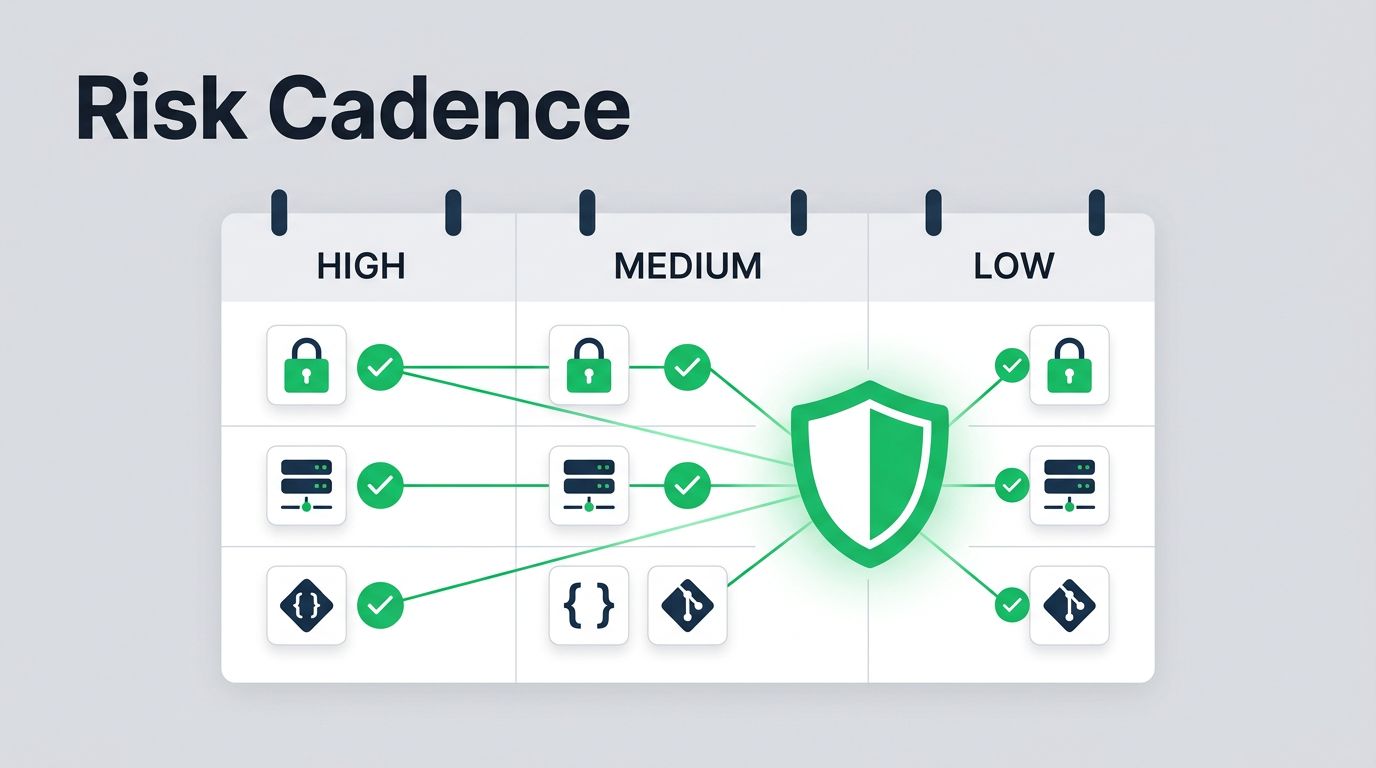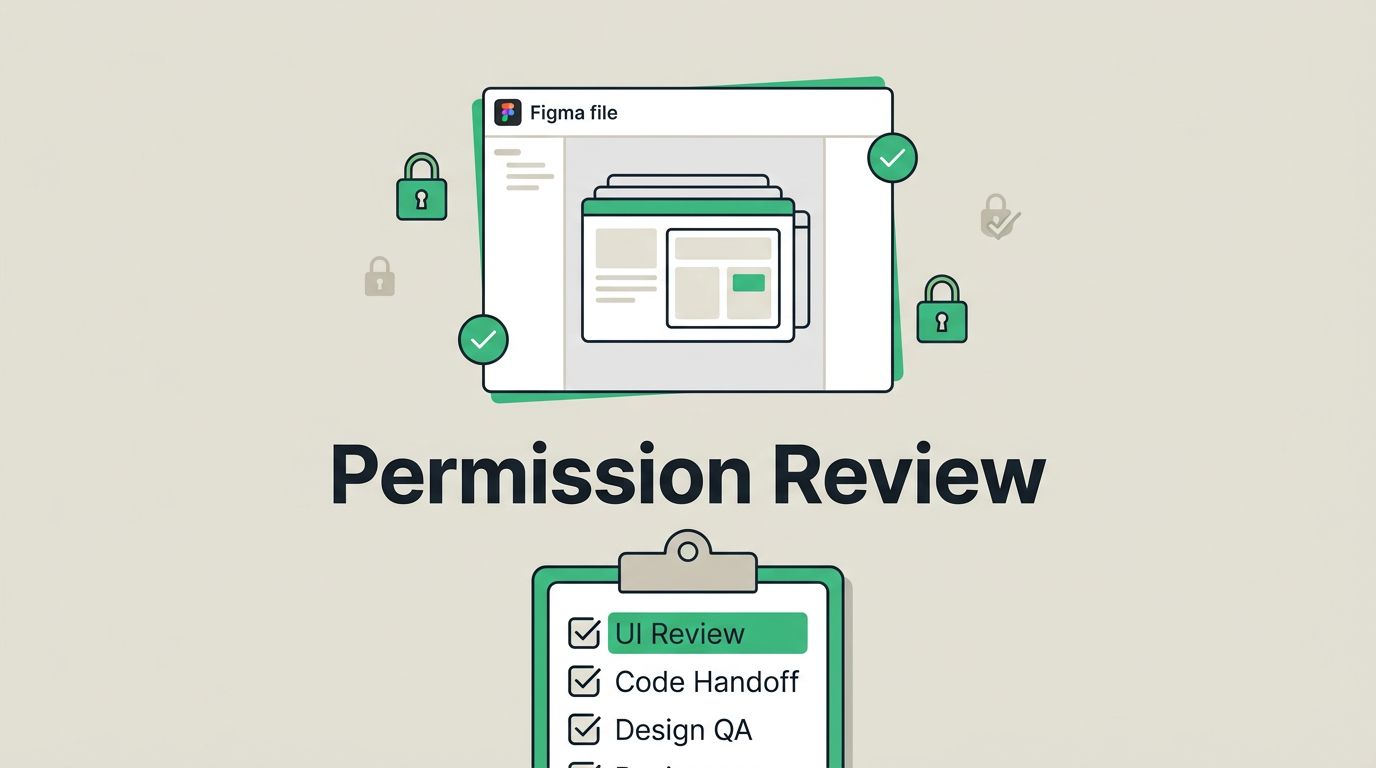
table of contents
The costliest cyber event in many firms doesn’t start with malware. It starts with a trusted person making the wrong move at the wrong time.
That’s why human risk assessments should be role-based, not generic. Finance can move money. HR can expose tax and identity data. Executives can override process with a single message. Treating them the same is like putting the same lock on every door.
The better approach is simple, measure who can cause the most harm, how attackers reach them, and which controls fail under pressure.
Start with business impact, not generic awareness scores
A useful assessment doesn’t stop at phishing click rates. It maps behavior to business impact. The right question is not “Who clicked?” It’s “What happens if this person is tricked today?”
The highest human risk usually sits where trust, access, and speed meet.
That means scoring people by access level, data sensitivity, transaction authority, communication patterns, third-party exposure, and historical incident trends. A payroll lead with banking change rights carries different risk from a finance analyst who only reviews reports. Similarly, an HR manager with access to W-2 data and onboarding systems needs different controls than a recruiter using a limited ATS account.
This quick view shows how those inputs change by function.
| Team | Inputs to assess | Common attack path |
|---|---|---|
| Finance | ERP access, payment limits, vendor contact, shared inbox use | Invoice fraud, payroll diversion, business email compromise |
| HR | HRIS rights, W-2 data, onboarding flows, benefits vendors | W-2 scams, credential theft, sensitive data exposure |
| Executive | Approval authority, public profile, delegated access, travel cadence | Executive impersonation, MFA fatigue, wire fraud |
In other words, the assessment should mirror the job, not the org chart. Teams that follow a broader human risk management framework usually get clearer priorities because behavior, identity, and business impact stay connected.
Where finance, HR, and executives face different human risks
Once you score exposure this way, attack patterns become easier to see.
Finance teams: money movement attracts speed-based fraud
Finance teams sit closest to cash, so attackers aim for speed and routine. Invoice fraud often starts with a supplier spoof or a last-minute request to change bank details. Business email compromise can look harmless because no malware is needed, only a believable message and a rushed approver.
A strong finance assessment checks who can add vendors, edit bank data, release payments, and approve payroll exceptions. It should also review who uses shared mailboxes, who works with overseas vendors, and where near misses clustered over the last year. If two people can both change a vendor record and approve the next payment, that isn’t a training gap alone, it’s a control problem.

HR teams: identity data makes social engineering more dangerous
HR teams hold the keys to identity. They manage tax forms, employee records, benefits data, background checks, and new account setup. That makes them prime targets for W-2 scams, social engineering, and credential theft.
During onboarding, a single fake email can redirect payroll, expose Social Security numbers, or trigger fraudulent account resets. Your HR assessment should examine who can export records, who can change direct deposit details, which third parties receive employee data, and how often urgent requests arrive from leaders. The IRS warning on W-2 phishing scams is older, but the tactic still works because trust and timing haven’t changed.
Executive teams: trust and visibility amplify every mistake
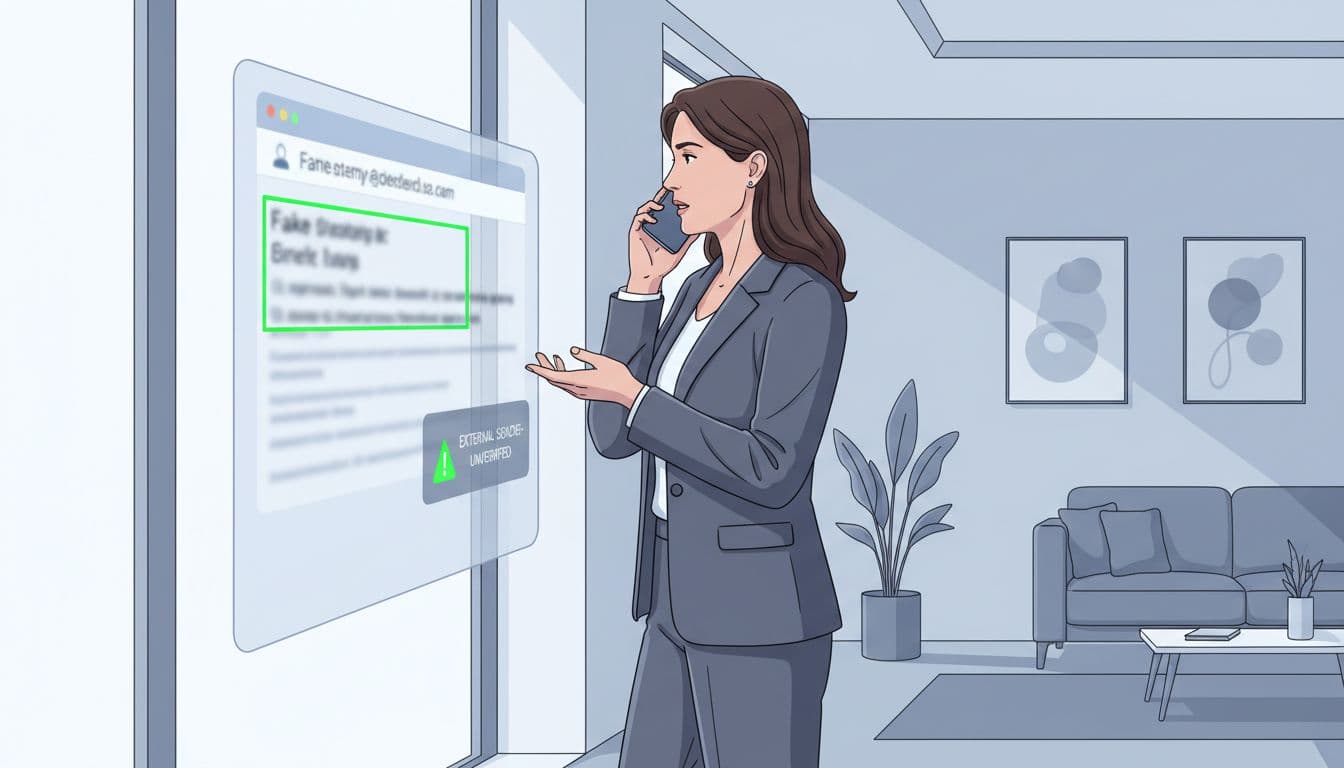
Executives face a different problem. They aren’t targeted because they click more. They are targeted because their identity carries weight. In 2026, attackers mix email spoofing, voice cloning, and repeated MFA prompts to create urgency that feels real.
A CEO traveling abroad, using delegated assistants, and approving high-value transfers from a phone has a very different risk profile from a board member with read-only access. Assessments for leaders should score public visibility, approval authority, travel patterns, assistant workflows, and exceptions to normal process. Guidance on business email impersonation attacks shows how little technical compromise is needed when trust is already in place.
Turn assessment findings into tighter controls
The value of human risk assessments comes after scoring. If nothing changes, the numbers are only decoration. In 2026, the best programs tie findings to training, controls, and policy updates that match each function’s daily work.
- Targeted training: Finance staff should practice vendor bank-change and payroll-diversion scenarios. HR needs drills on fake employee updates, W-2 requests, and benefits-vendor impersonation. Executives and assistants need short briefings on voice fraud, BEC, and approval bypass attempts.
- Technical controls: Require phishing-resistant MFA for high-impact roles. Add step-up approval for new vendors, bank-detail changes, large transfers, and bulk exports of employee data. Watch shared mailboxes and executive inbox rules for odd changes.
- Policy changes: Never approve money movement or record exports by email alone. Use call-back verification, dual approval, and short time-out periods for unusual requests, especially during travel, quarter-end, and tax season.
- Ongoing measurement: Track scenario-based failure rates, exception requests, late invoice changes, help desk reset abuse, denied MFA pushes, and repeat offenders by function. 2026 best practices for human risk management also stress linking behavior data to identity and threat signals.
That’s how you move from awareness theater to risk reduction.
Make human risk measurable
The biggest losses still start with trust. That’s why human risk assessments work best when they focus on who can move money, expose data, or override process.
Pick one high-impact function this quarter and rebuild its assessment around real tasks, not generic user groups. When the score matches the job, the fixes become obvious.