table of contents
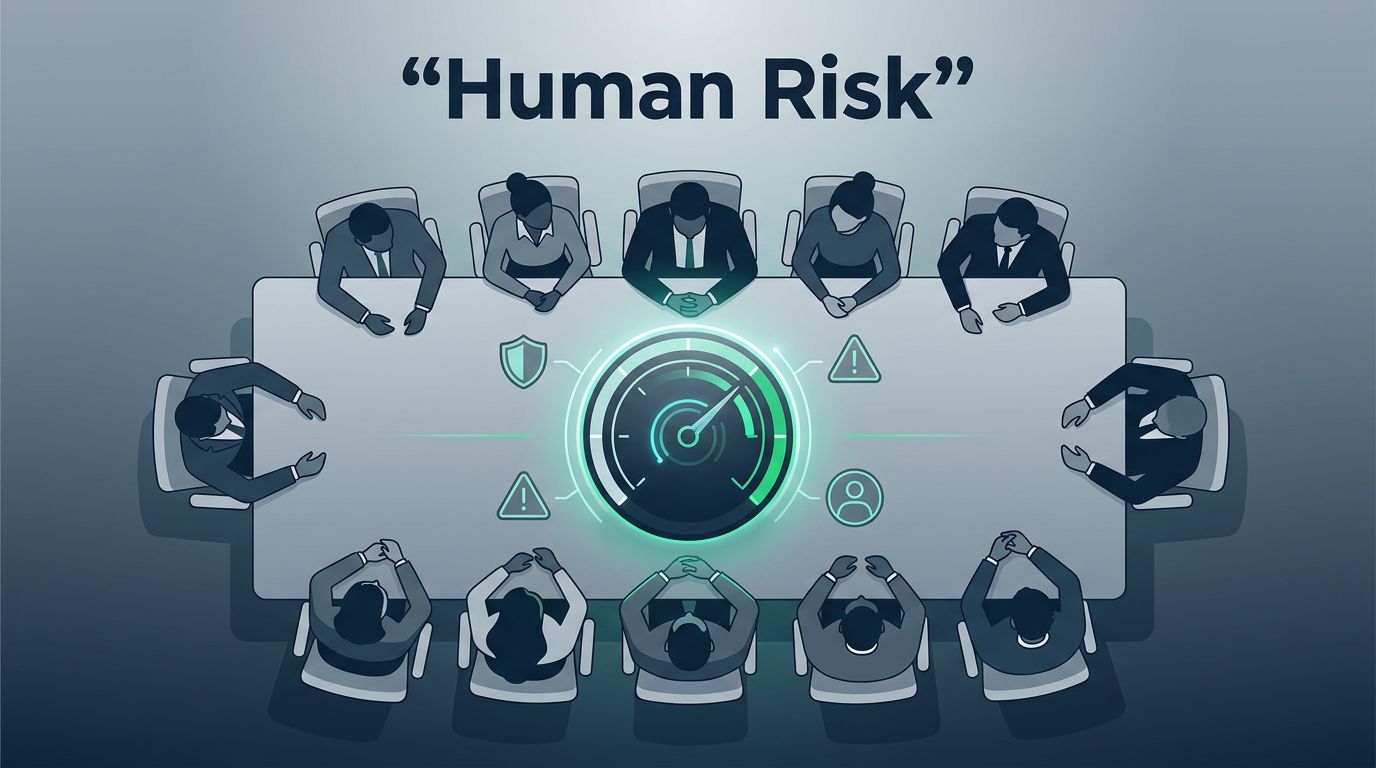
A board update on human risk has one job, tell directors whether employee behavior is getting safer or adding exposure. Training completion rates alone won’t answer that.
The best updates are short, sharp, and tied to business risk. They show what changed, where the pressure is building, and what action is needed next. That makes the report useful, not decorative.
Start With the Risk Story, Not the Training Log
Boards do not need a list of awareness campaign activity. They need a clear view of human risk: how people behave, where that behavior creates exposure, and whether your controls are changing outcomes.
That means moving beyond attendance counts, email clicks, and course completions. Those numbers can still help, but they belong in the background. The main message should focus on trend, impact, and decision.
A simple test helps here. If your update says, “98% completed training,” ask what changed in the business. If the answer is unclear, the board still doesn’t have the real story.
A better framing looks like this: “Phishing reporting improved in sales, but repeat risky clicks remain high in finance. That leaves a concentrated exposure in a team that handles payments.” Now the board has a risk view, not an activity report.
For a clear distinction between activity tracking and behavior-focused reporting, see security awareness training vs. human risk management.
Select Metrics That Show Movement
Choose metrics that show direction, concentration, and change over time. The board needs a few strong signals, not a crowded dashboard.

Use metrics like these:
| Metric | What it tells the board | Why it matters |
|---|---|---|
| Human risk score trend | Whether behavior is improving or worsening | Shows direction, not just activity |
| Phishing report rate | Whether people spot and report suspicious messages | Faster reporting reduces exposure |
| Repeat-offender rate | How many users keep making the same mistakes | Points to coaching or manager follow-up |
| High-risk group concentration | Where risky behavior is clustered | Helps target action where it matters most |
| Time to reduce risk after intervention | How fast behavior changes after a control or campaign | Shows whether your program works |
The takeaway is simple, pick three to five metrics and keep them stable. Directors want trend lines they can trust. If the metric set changes every quarter, the story loses weight.
For a deeper board-focused view of outcome-based reporting, the human risk ROI framework is a helpful reference.
Follow a Simple One-Page Structure
A strong board update fits on one page or one slide. The format should make the answer obvious in under a minute.
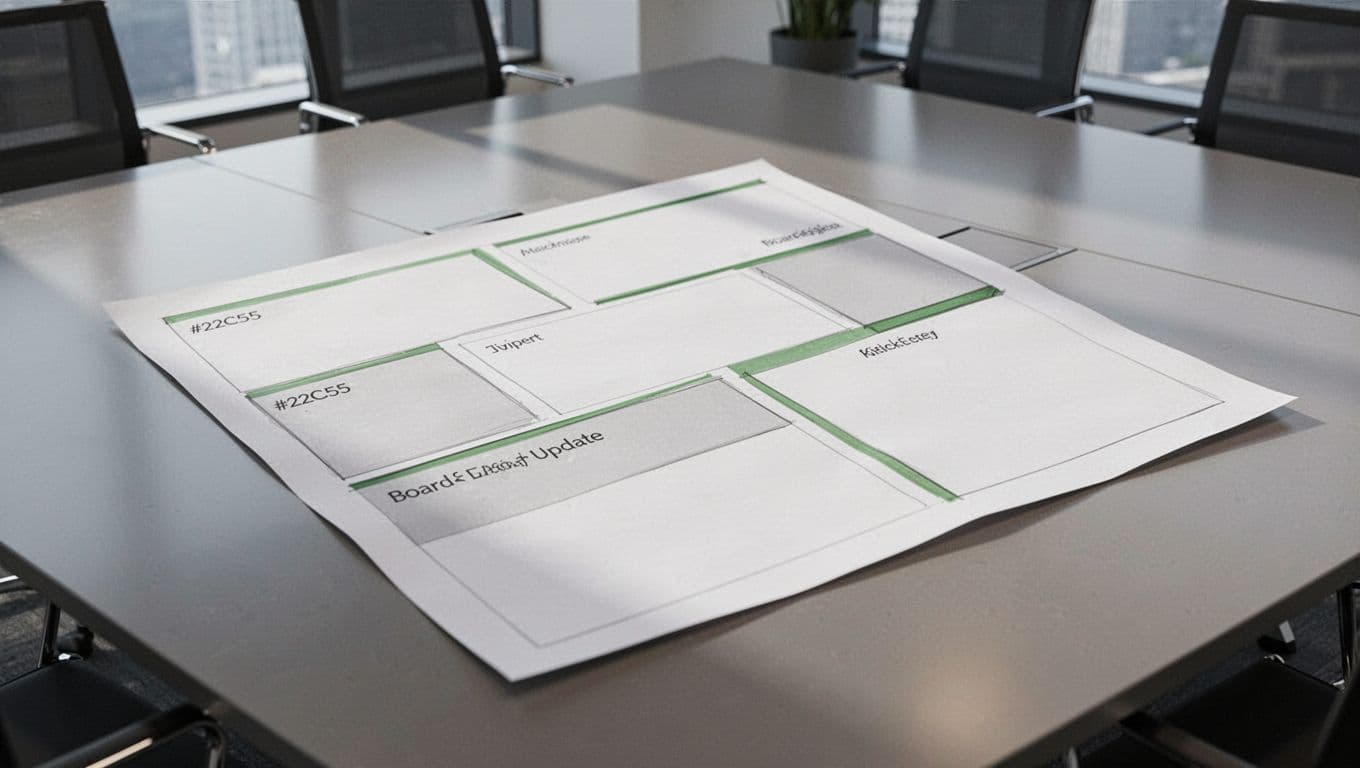
Use this order:
- Executive summary: State whether human risk improved, held steady, or worsened.
- Key trends: Show the main metric changes and what is driving them.
- Material risks: Call out the biggest exposure, the affected teams, and the likely business impact.
- Mitigations: Explain what changed, such as targeted coaching, policy updates, or manager action.
- Board ask: Say what decision, support, or acknowledgment you need.
A sample line might read, “Risk improved in most groups, but repeat phishing clicks rose in finance. We need approval to expand targeted coaching and manager follow-up next quarter.”
That format keeps the update focused on what changed and what happens next. It also matches the language directors use when they review other risk topics. ISACA’s guidance on reporting cybersecurity risk to the board is useful if you want to align with governance language.
Frame the Board Ask in Plain English
The board ask is where many updates fall apart. Teams either leave it out or bury it in a long explanation.
Keep it direct. Ask for a decision when one is needed. If no decision is needed, say so clearly.
If the board can’t tell what decision is needed, the update isn’t finished.
A good ask sounds like this:
- Approve additional focus on a high-risk function.
- Support a policy change that reduces repeat mistakes.
- Accept a temporary residual risk while a control is rolled out.
Notice what this avoids. It doesn’t ask directors to bless a training calendar. It asks them to support a business decision tied to risk.
Also, don’t describe awareness activity as proof of success. A new campaign may improve knowledge, but the board needs to know whether behavior changed. That difference matters. Reporting cybersecurity metrics to the board works best when the story links activity to measurable risk reduction.

Keep the Format Short and Repeatable
A board update on human risk should look familiar each quarter. That makes trends easier to read and helps directors compare one period with the next.
Use the same definitions, the same grouping, and the same thresholds whenever you can. If you change the measuring stick, the board will spend time decoding the chart instead of understanding the risk.
Short is better. One page, one slide, or one brief memo usually works. If the update takes ten minutes to explain, it’s probably carrying too much detail.
If your team needs help turning raw activity into a board-ready story, Book a Discovery Call with Bud Consulting.
A strong update doesn’t try to impress the board with volume. It gives directors a clean view of risk, trend, and decision.
When you do that well, the conversation shifts from training counts to real business exposure. That’s the point of the report, and the point of the work behind it.