table of contents
Hybrid work sticks around in 2026. Employees grab laptops from home offices, phones from coffee shops, and access corporate clouds from anywhere. This setup boosts productivity. It also creates massive security blind spots.
You manage endpoints across on-premises servers, cloud instances, and mobile fleets. Traditional scans miss changes. Vulnerabilities pile up. Attackers exploit them fast. Continuous Threat Exposure Management (CTEM) fixes this. It spots risks, tests them, and drives fixes nonstop.
This article breaks down CTEM approaches tailored for hybrid setups. You’ll get practical steps, workflows, and results to cut exposure.
Challenges in Hybrid Endpoint Environments
Hybrid environments mix corporate devices with personal ones. Workers log in from offices, homes, or travel spots. Device counts explode. Gartner notes shadow IT adds 30% more assets yearly.
Visibility drops first. IT teams track 70% of endpoints at best. The rest? Forgotten laptops or rogue apps. Configurations drift. A patch rolls out, but remote users miss it. Identities overlap too. One weak password opens paths to critical servers.
Device sprawl worsens it. Smartphones run apps outside policy. Virtual desktops shift to cloud. Firmware lags on IoT gear. In 2026, AI tools create new risks like exposed model endpoints.
Prioritization fails next. Vulnerability lists hit thousands. Which matter? Traditional tools score by CVSS. They ignore business impact or exploit likelihood. Teams chase noise. Real threats linger.
Exposure gaps hit identities and access. Multi-factor skips on some devices. Service accounts stay active post-project. Paths chain: a vulnerable endpoint leads to admin rights.
Remediation stalls. Manual tickets take days. Hybrid users go offline. Attackers win the race.
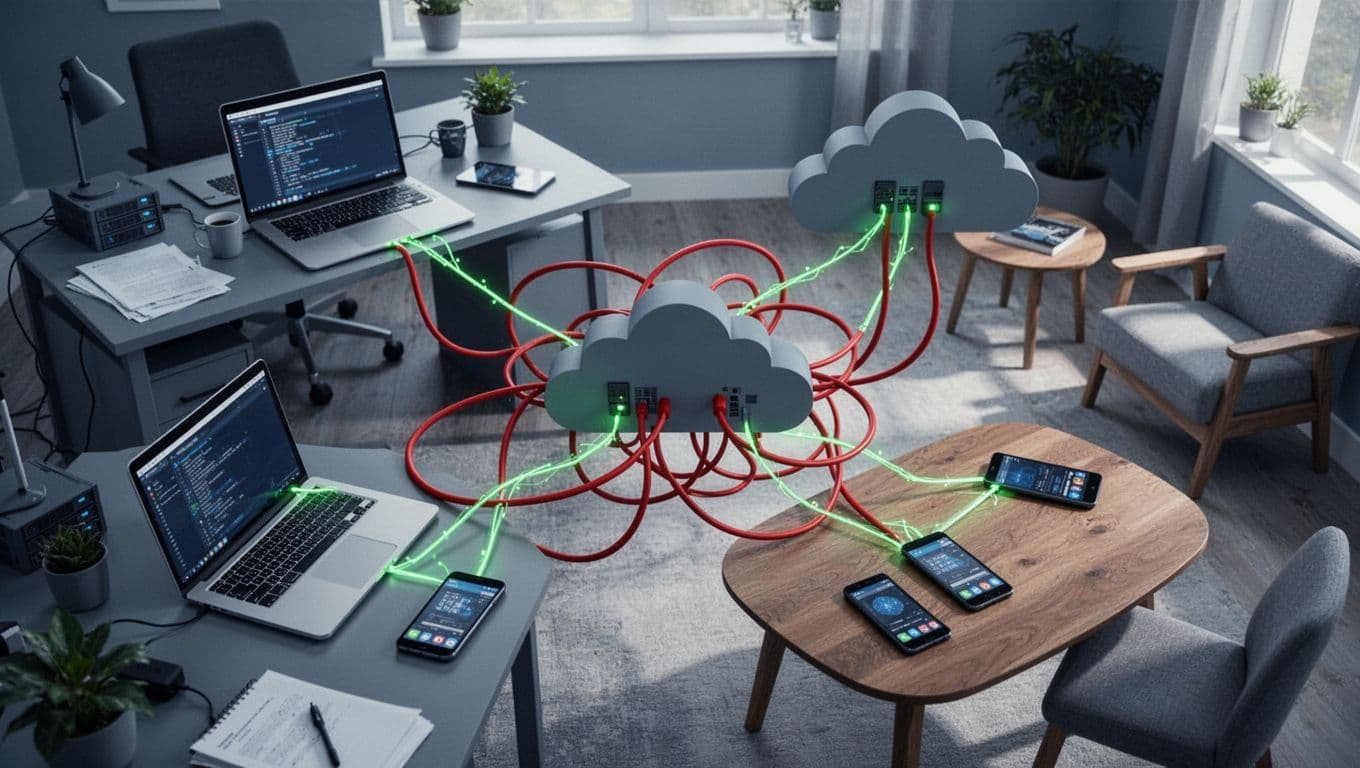
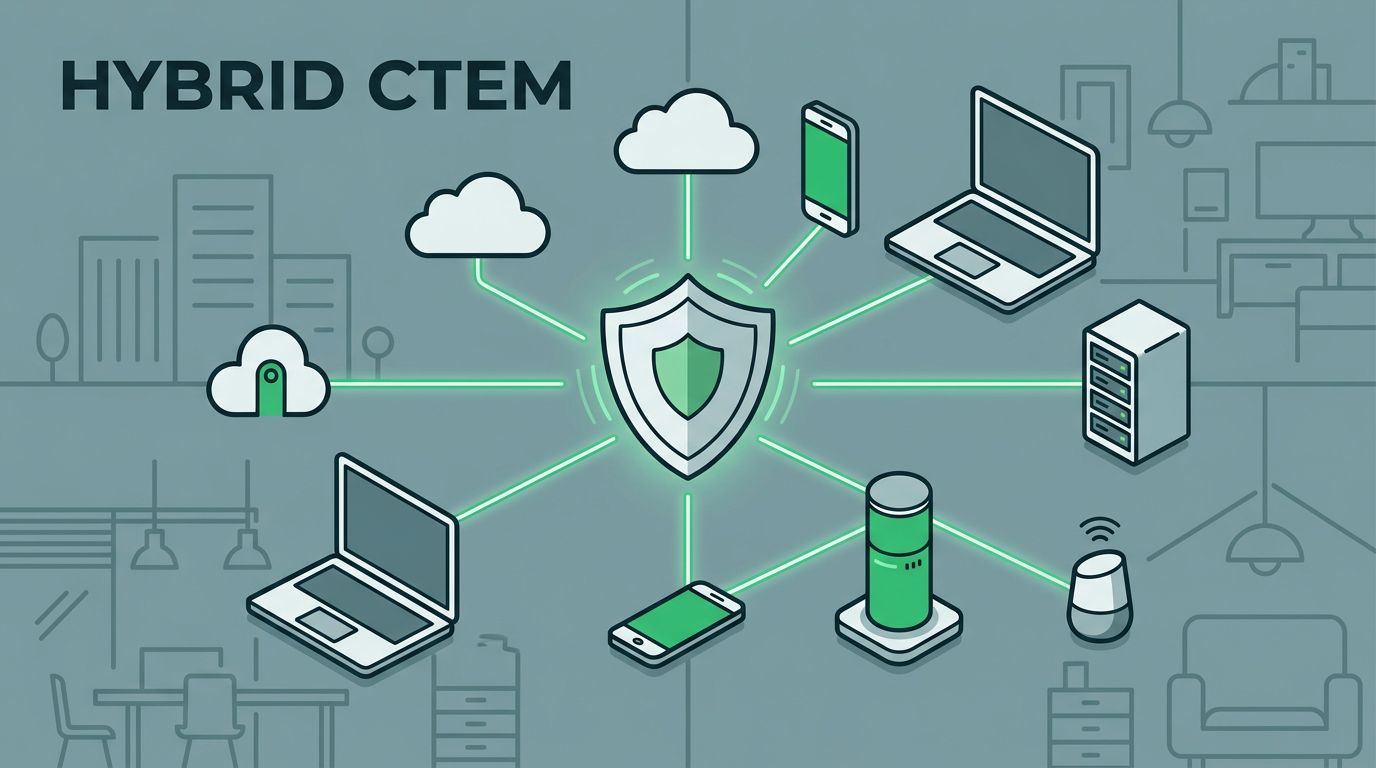
This image captures the sprawl. Tangled lines mark risky paths. Green accents flag vulnerable spots.
Current regs push harder. FedRAMP and CMMC demand continuous validation. Breaches cost average $4.8 million. Hybrid setups amplify that.
You need a shift. CTEM steps in. It maps the full surface, ranks threats, and automates responses.
How CTEM Differs from Traditional Vulnerability Management
Traditional vulnerability management runs quarterly scans. Tools list CVEs. Teams patch high scores first. It works for static networks. Hybrid changes break it.
CTEM runs continuous. Gartner’s model has five steps: scope, discover, prioritize, validate, mobilize. It covers endpoints plus paths to them.
Vuln management focuses on flaws. CTEM eyes exposure. A vuln exists, but can attackers reach it? Business context matters. Finance servers top the list over test labs.
In hybrid setups, traditional tools miss dynamics. Cloud endpoints spin up daily. Mobile devices roam. CTEM uses real-time discovery. It catches shadow assets.
AI boosts CTEM now. Agents reprioritize risks as exploits drop. EPSS scores predict attacks. MITRE links threats to your setup.
Outcomes show the gap. Vuln management cuts vulns 40%. CTEM drops breaches 50% more, per early 2026 data. Teams fix 3x faster.
Workflow example: Weekly vuln scan flags 500 issues. CTEM filters to 50 reachable ones. Validation tests 10 critical paths. Mobilize auto-patches 80%.
For deeper CTEM basics, check CyCognito’s 2026 guide on continuous exposure.
Hybrid demands this evolution. Static tools lag. CTEM keeps pace.
Key CTEM Strategies for Hybrid Endpoints
Start with scoping. Define your hybrid surface: endpoints, identities, configs, access paths. Exclude test nets. Focus on production.
Discovery runs always-on. Agents on laptops ping clouds. EASM tools map external views. Catch rogue VMs or BYOD phones.
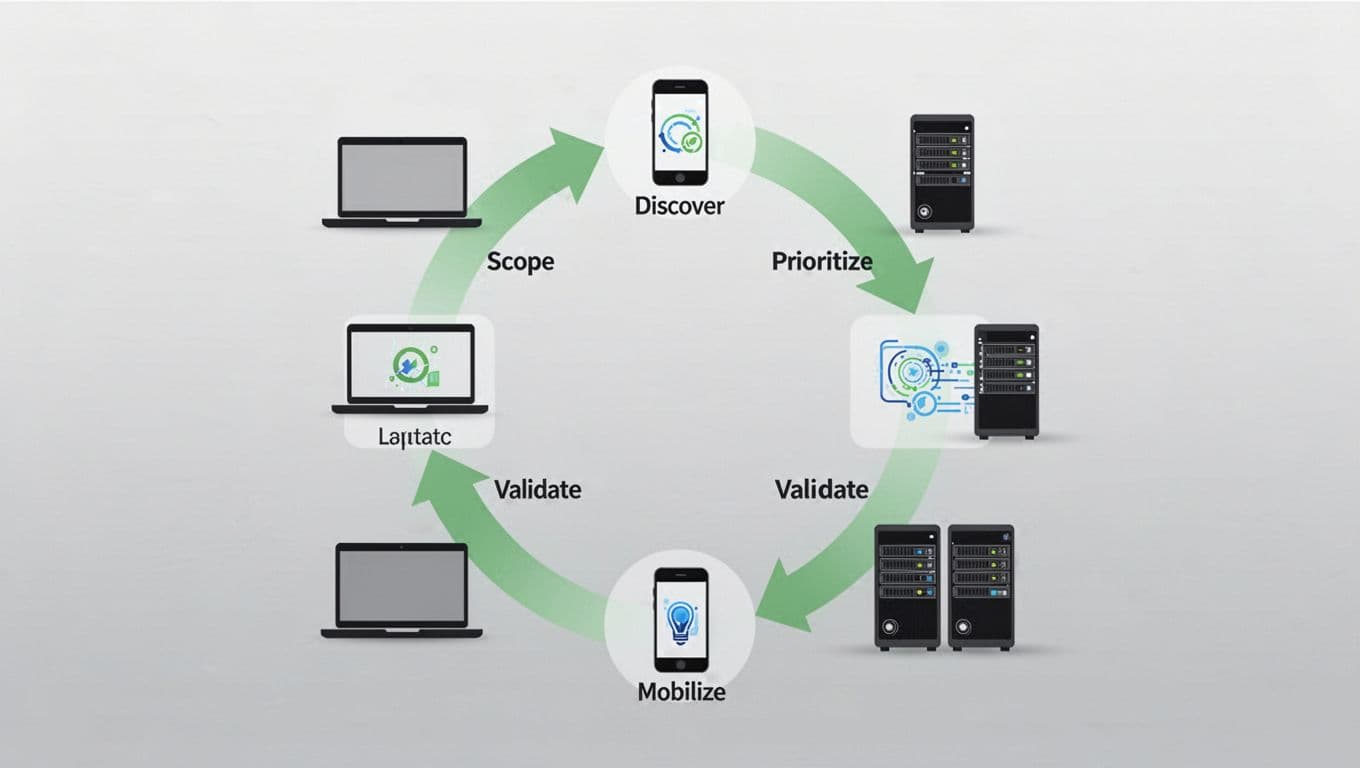
This diagram shows the CTEM cycle. Arrows link steps around endpoint icons.
Prioritize by exploitability. Use EPSS plus asset value. A laptop with admin rights scores high. Ignore low-path vulns.
Validation tests attacks. BAS simulates breaches on endpoints. Check if a config gap allows lateral moves.
Mobilize integrates workflows. Tickets auto-file with context. AI patches routine issues.
Strategy one: Layer discovery. MDM for devices, EDR for threats, IAM for access. Correlate data.
Strategy two: Real-time triggers. Events like new logins spark rescans. Cuts mean time to detect.
In 2026, AI agents handle 42% of SOC tasks. They auto-kill risky processes on endpoints.
Concrete workflow: New device joins. Discovery pings it. Prioritize checks OS vulns. Validate tests RDP exposure. Mobilize enforces policy.
Repeat daily. Teams see 50% better visibility.
Tailor to hybrid. Home devices get lighter agents. Clouds use serverless scans.
Prioritizing Remediation Efforts
Prioritization separates signal from noise. CVSS alone fails. It rates a flaw high even if firewalled.
CTEM uses context. EPSS forecasts exploits. Asset tags add business weight. A CRM endpoint trumps HR test box.
Rank across layers. Endpoint vulns, bad configs, weak identities, open paths. Chain them: vuln + privilege = critical.
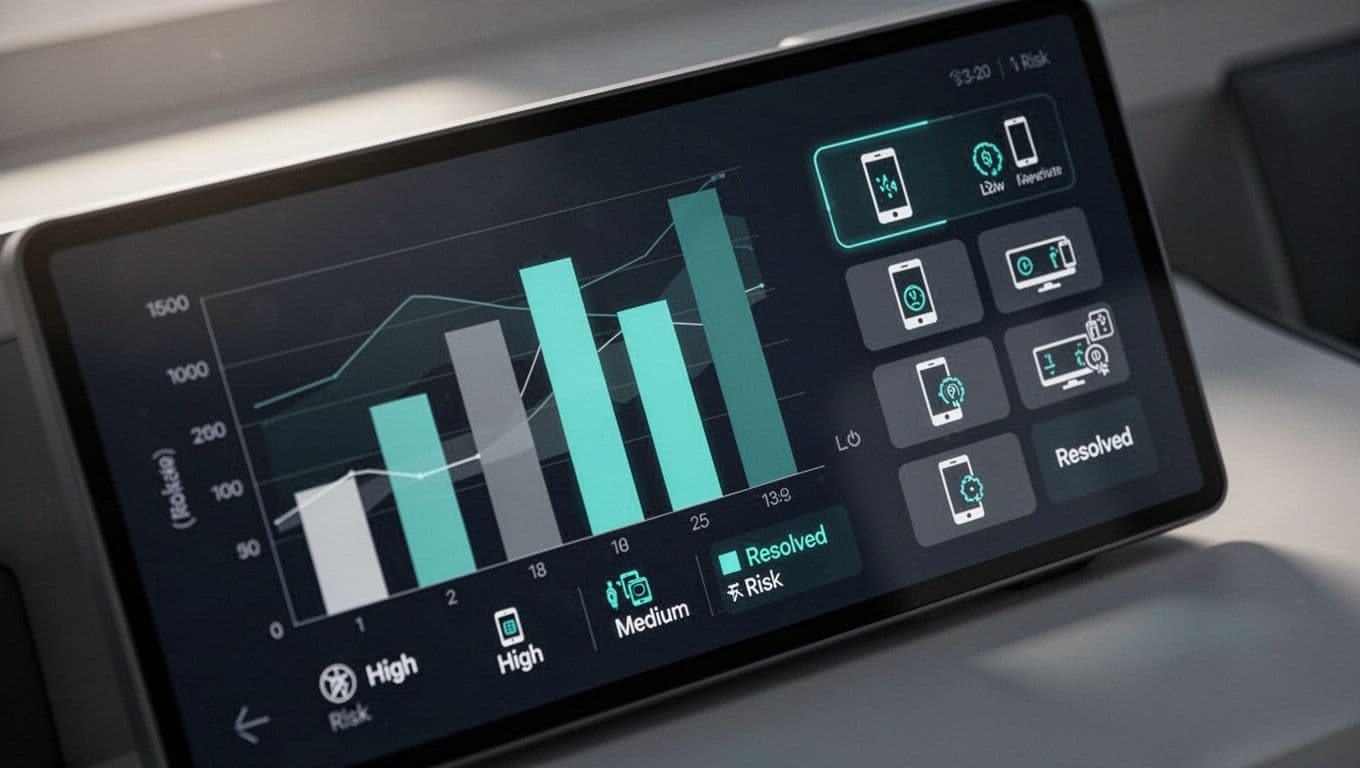
Dashboards like this group risks. Bars show severity. Green marks fixes.
Workflow: Daily pull lists. Score by EPSS >0.5, path reachability, impact. Top 10 get validated.
Validate with active tests. Pentest endpoints quarterly. BAS daily for high risks.
Remediate smart. Auto-patch OS. Quarantine bad configs. Revoke old access.
For patch best practices in 2026, see Zecurit’s endpoint guide.
Teams cut noise 70%. Focus shrinks MTTR to hours.
Measure exposure scores. Aim for under 10% critical paths. Track weekly.
Business outcome: One firm dropped breaches 60%. Remediation costs fell 35%.
You gain control. Prioritize what attackers hit.
Integrating CTEM with Endpoint Tools
Hybrid needs unified stacks. CTEM sits central. It pulls from MDM, EDR, IAM.
MDM like Intune manages devices. Feeds inventory to CTEM. Flags policy drifts.
EDR like CrowdStrike spots behaviors. Shares threat data for prioritization.
IAM verifies access. CTEM checks paths from endpoints to apps.
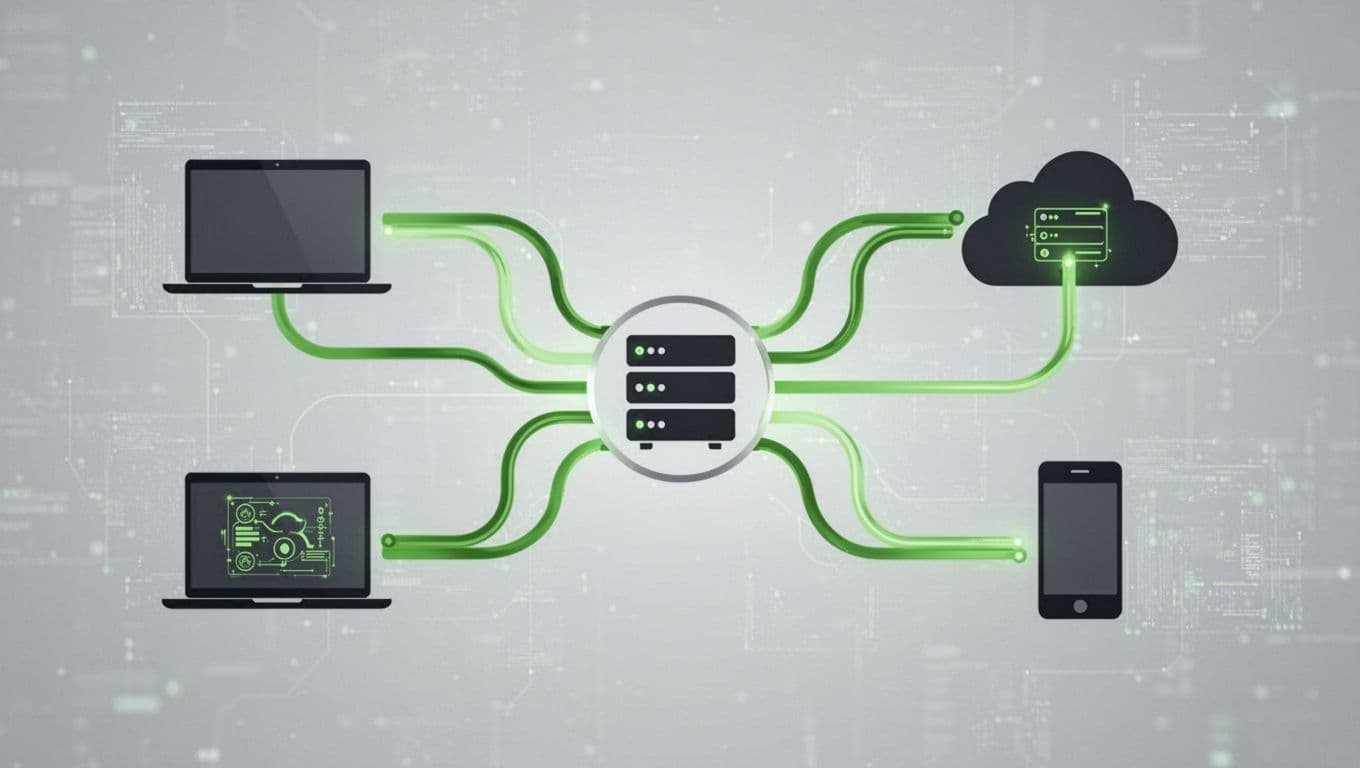
Integration hubs link them. Arrows show data flow to devices.
API glues work. Bi-directional sync. CTEM findings trigger EDR quarantines.
Example: CTEM finds vuln laptop. Pings MDM to restrict. IAM revokes sessions. EDR monitors.
In 2026, agentic AI automates. Platforms like ControlUp use it for endpoints. See their autonomous management guide.
Start small. Pick two tools. Build workflows. Scale.
For platform picks, review ISSAA’s CTEM security analyst guide.
Bud Consulting helps here. Book a Discovery Call with Bud Consulting to assess your stack.
Gaps close. Operations speed up.
Real-World Workflows and Measurable Outcomes
Build a daily CTEM loop for endpoints.
Morning: Discovery refresh. Agents report changes.
Midday: Prioritize. Dashboard flags top 20.
Afternoon: Validate. Run BAS on criticals.
Evening: Mobilize. Auto-remediate 60%. Escalate rest.
Weekly: Review paths. Adjust scopes.
Tools tie in. ServiceNow tickets get asset context. No manual hunts.
Outcomes track easy. Metrics: exposure score, fix rate, path coverage.
One team hit 95% coverage. Breaches dropped 3x. Ops saved 40% time.
Costs fall too. Fewer breaches mean lower insurance. Productivity rises as downtime shrinks.
Scale to 10k endpoints. Cloud costs stay low with serverless.
Compare to traditional: Vuln mgmt fixes 200/week. CTEM handles 500, focuses right ones.
In 2026 hybrid, this workflow wins. Regs like NIST 2.0 reward it.
Conclusion
CTEM transforms hybrid endpoint management. It maps sprawl, ranks real risks, and drives fast fixes.
You cut blind spots and breaches. Teams focus on impact, not volume.
Start scoping today. Build the cycle. Watch exposure drop.
Your endpoints stay secure in 2026’s hybrid world.