table of contents
Finding the right identity security architect gets harder as environments pile up. Hybrid data centers, two or three clouds, legacy apps, mergers, privileged access, and machine identities all pull in different directions. A weak hire can make the design look neat and still leave gaps in production. A strong one brings order, and can explain every control to engineers, auditors, and the business.
In 2026, the role also reaches past user logins. Passwordless access, non-human identities, AI-assisted defense, and continuous verification now sit in the same conversation.
If you’re hiring for that mix, start with the environment, then screen for judgment.
Start with the environment, not the résumé
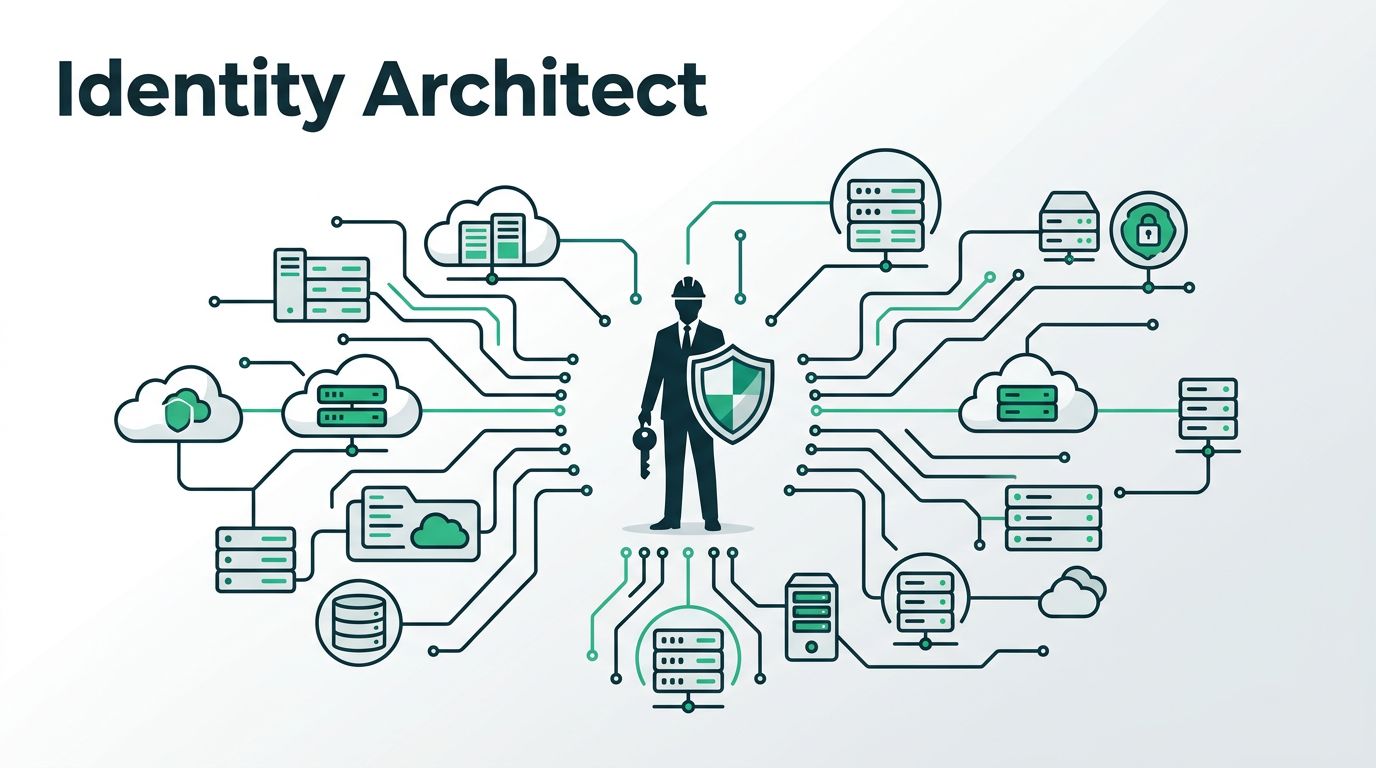
An identity security architect in a complex enterprise maps how identities move across directory services, cloud IAM, SaaS, legacy apps, and privileged paths. For background on the cloud side of the job, Harvard Extension School’s cloud security architect overview is a useful baseline. The real enterprise version adds M&A cleanup, separation of duties, control evidence, and ownership for service accounts.
In multi-cloud programs, the architect also has to think in patterns, not products. Google Cloud’s multicloud architect guidance helps frame that kind of cross-platform thinking. The best candidates can connect those ideas to identity policy, access reviews, and recovery plans.

Build a scorecard that matches the risk
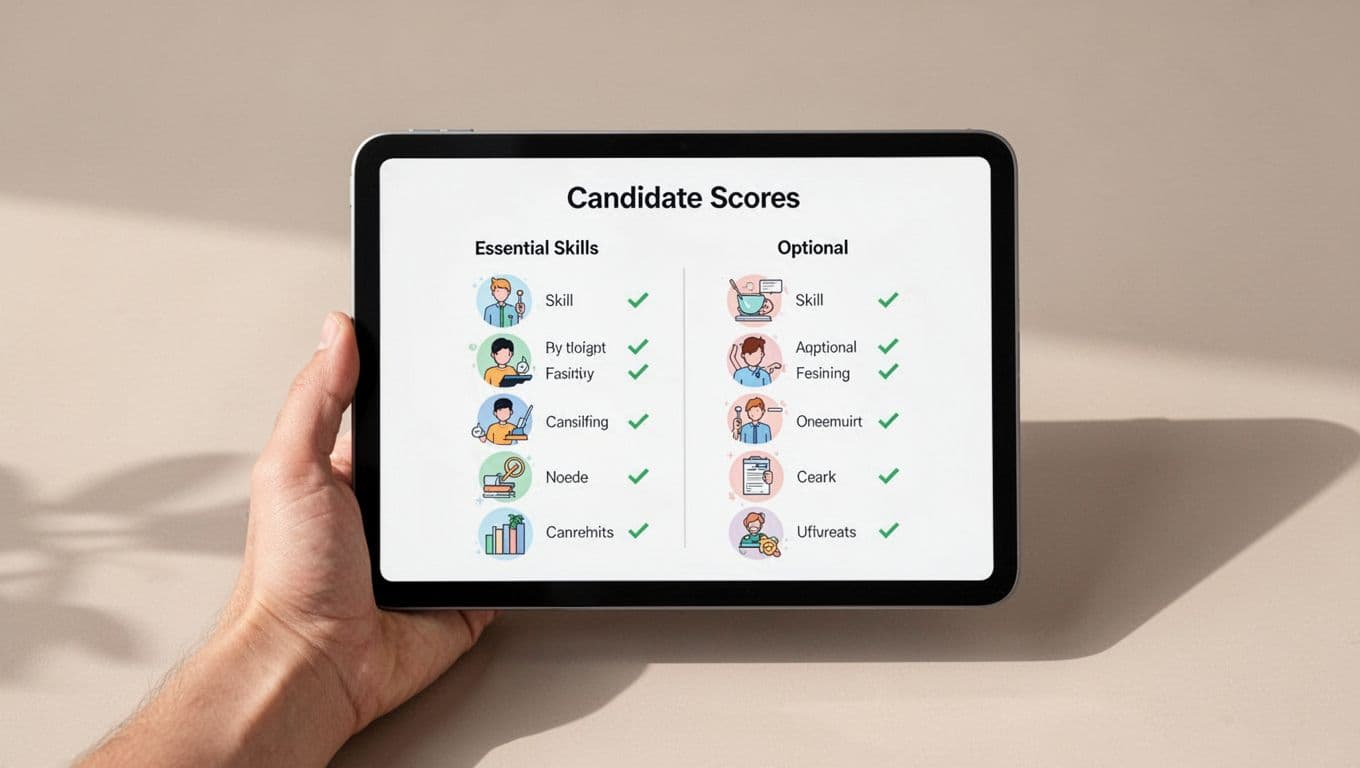
A scorecard keeps interviews honest. Weight the items that can break production first.
| Area | Type | What strong looks like | Weight |
|---|---|---|---|
| Hybrid and multi-cloud identity | Must-have | Designs access across on-prem, AWS, Azure, GCP, and SaaS | 25% |
| Non-human identities | Must-have | Can inventory service accounts, APIs, workloads, and owners | 20% |
| Privileged access | Must-have | Knows JIT, break-glass, vaulting, and admin separation | 20% |
| Regulated environments | Must-have | Maps controls, evidence, and audit needs cleanly | 15% |
| M&A and legacy integration | Must-have | Can run coexistence without outage risk | 10% |
| AI and passwordless patterns | Nice-to-have | Understands passkeys, identity threat detection, and agent access | 10% |
If a candidate misses the first three, keep looking. Tool knowledge can be taught. Architecture judgment takes years.
Ask interview questions that test judgment
Interview questions should expose trade-offs, not memorized terms. Listen for a plan, a risk owner, and a way to measure progress.
- How would you find and rank orphaned service accounts across multiple clouds and data centers?
- What would you do in the first 30 days after discovering 40% of privileged accounts have no clear owner?
- How would you handle identity for an acquired company that runs a separate directory and PAM stack?
- Which controls would you place around legacy applications that cannot support modern auth?
- How do you prove identity risk reduction to auditors without drowning the team in screenshots?
Good answers mention sequencing, business impact, and how to keep access moving while controls tighten.

Review the portfolio, then avoid common hiring mistakes
A strong portfolio shows how the architect thinks. It should include current state diagrams, target state diagrams, and a migration path between them. That kind of background often looks like the enterprise mix in senior identity roles at firms such as GuidePoint Security, where the work spans banking, federal, and Fortune 500 environments.
Look for proof, not polish:
- It shows control decisions, not just tool screenshots.
- It explains how the team handled app owners, infra teams, and auditors.
- It shows measurable results, such as fewer orphaned accounts or shorter joiner-mover-leaver times.
- It proves work in regulated or high-friction settings, like healthcare, finance, or public sector.
Common hiring mistakes are easy to make when the role is urgent.
- Hiring a tool operator when you need an architect.
- Overweighting certifications and ignoring real design work.
- Leaving app owners out of the loop.
- Ignoring M&A, legacy, and non-human identity sprawl.
If the shortlist is thin, Book a Discovery Call with Bud Consulting to pressure-test the role definition before interviews start.
Set the first 90 days before day one
The first 90 days should reduce uncertainty fast. The architect needs access to the right people, the right data, and a narrow list of priorities.
- Map the identity sources. Include directories, cloud tenants, key SaaS apps, PAM, CI/CD service accounts, and machine identities.
- Pick two or three wins. Orphaned accounts, stale privileged access, and high-risk legacy apps are good places to start.
- Publish a decision log. App teams move faster when they know what will change, what stays, and why.
- Set simple metrics. Track ownerless non-human identities, privileged accounts under JIT, and legacy apps moved under control.
That plan gives the CISO a clear view of progress without turning the role into pure reporting.
Hire for judgment and calm execution
Complex identity work is full of edge cases. The best architect can handle them without turning every decision into a debate. They know where to tighten control, where to phase change, and how to keep the business running.
That is the standard to hire against. If the environment includes hybrid infrastructure, multi-cloud, M&A, legacy apps, and regulated workloads, the right person brings structure to all of it.