table of contents
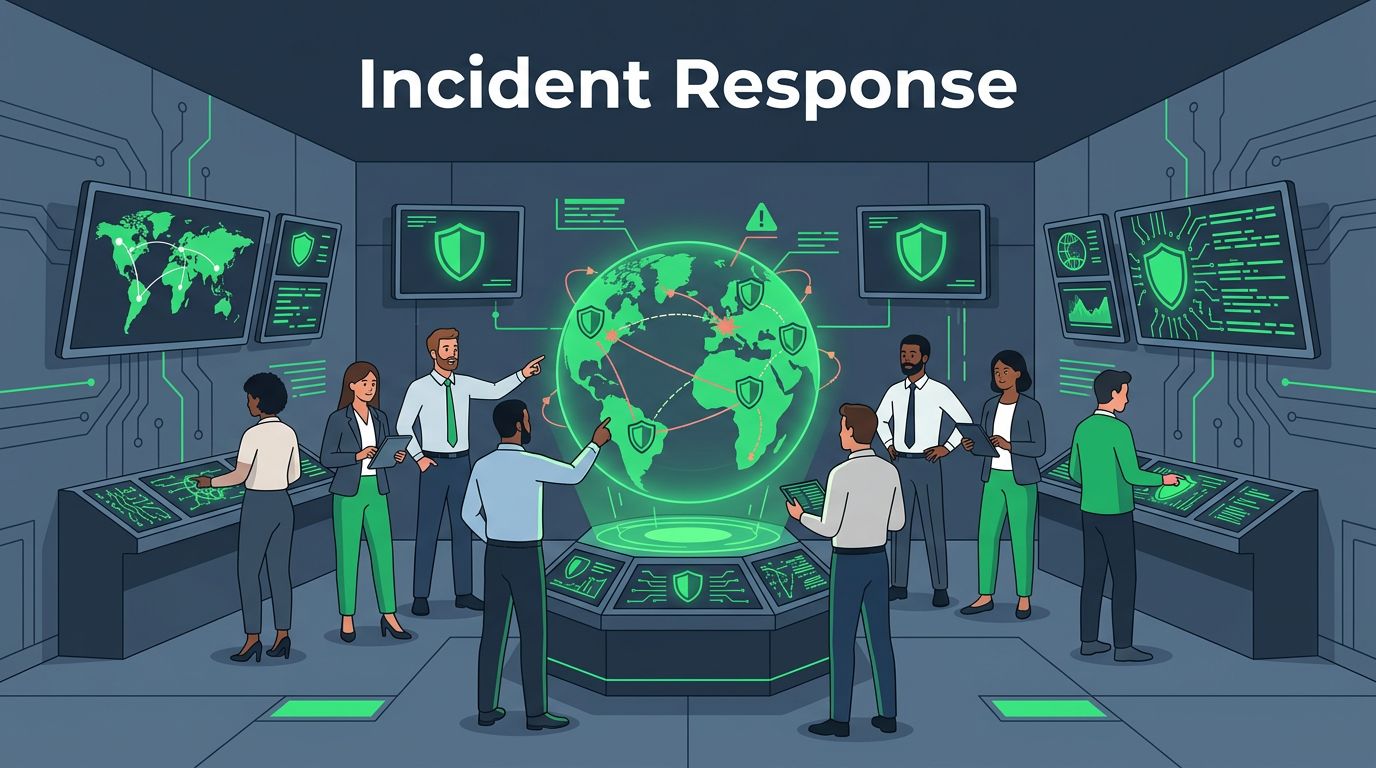
When a breach hits, the fastest team is not always the right team. Some incident response consultants are strongest in ransomware, others in forensic work, and others in global coordination.
That difference matters. A weak fit can slow recovery, raise cost, and leave gaps in evidence. Since provider capabilities, SLAs, certifications, and coverage change often, compare current details directly before you sign.
Which firms often make the shortlist
In 2026, buyers often compare Mandiant, CrowdStrike, NCC Group, Kroll, and large advisory teams from firms like IBM Security or PwC. The exact mix depends on your stack, region, and risk profile.
For a live market view, many teams scan Clutch’s incident response rankings and Gartner Peer Insights DFIR reviews. Those pages can help you spot names, but they won’t tell you whether a firm can meet your exact SLA.

| Example provider | Typical strengths | Watch for | Often fits |
|---|---|---|---|
| Mandiant (Google Cloud) | Deep investigations, cloud forensics, ransomware support | Premium pricing, verify current retainer scope | Large or cloud-heavy organizations |
| CrowdStrike | Endpoint-rich triage, fast containment, strong telemetry | Best fit when you already use its platform | Teams needing tight detection and response |
| NCC Group | Technical depth, independent assessments | Regional coverage may differ | Complex environments and outside validation |
| Kroll | Ransomware response, insurance coordination, breach support | Service mix can vary by office | Firms with legal and claims needs |
| IBM Security or PwC-style teams | Broad advisory reach, board-level support, global scale | Team quality can depend on the engagement | Multinationals and regulated sectors |
The pattern is simple. Specialists often bring deeper technical focus. Larger advisory firms often bring broader business support.
A retainer helps only if the firm can staff your incident quickly, in your region, with the right people.
What to compare beyond the brand name
A famous logo means little during a live incident. What matters is how the team works when clocks are ticking and evidence is fragile.
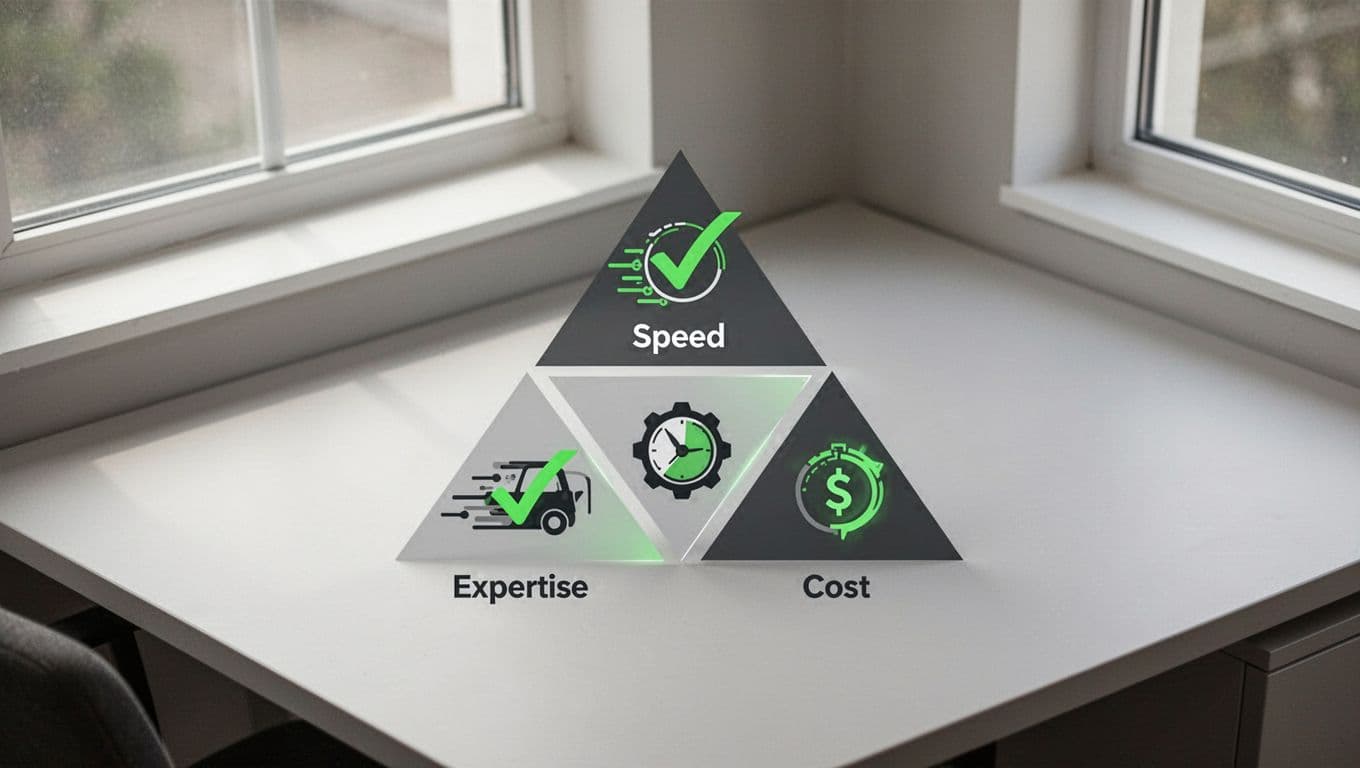
Compare firms on these points:
- SLA and activation path matter because you need to know who answers first. Ask about response times, after-hours coverage, and escalation steps.
- Forensic depth matters when you need evidence, not only containment. Some firms stop at triage, while others image devices, preserve logs, and support legal review.
- Service model changes the experience. Retainer, subscription, and project-based work can each fit different budgets and urgency levels.
- Certifications and methods still matter. Look for staff with CISA or CISSP, plus alignment with NIST CSF and ISO 27001.
- Industry fit can save time. A firm that knows healthcare, finance, or retail will understand the rules faster.
- References from similar incidents help cut through sales talk. Ask for recent examples, not old slide decks.
If a firm can’t explain chain of custody, evidence handling, and counsel coordination, keep looking. That gap can hurt a case later.
Coverage and response speed change the result
Geography sounds boring until an incident starts at 2 a.m. in another time zone. Then it becomes the whole story.
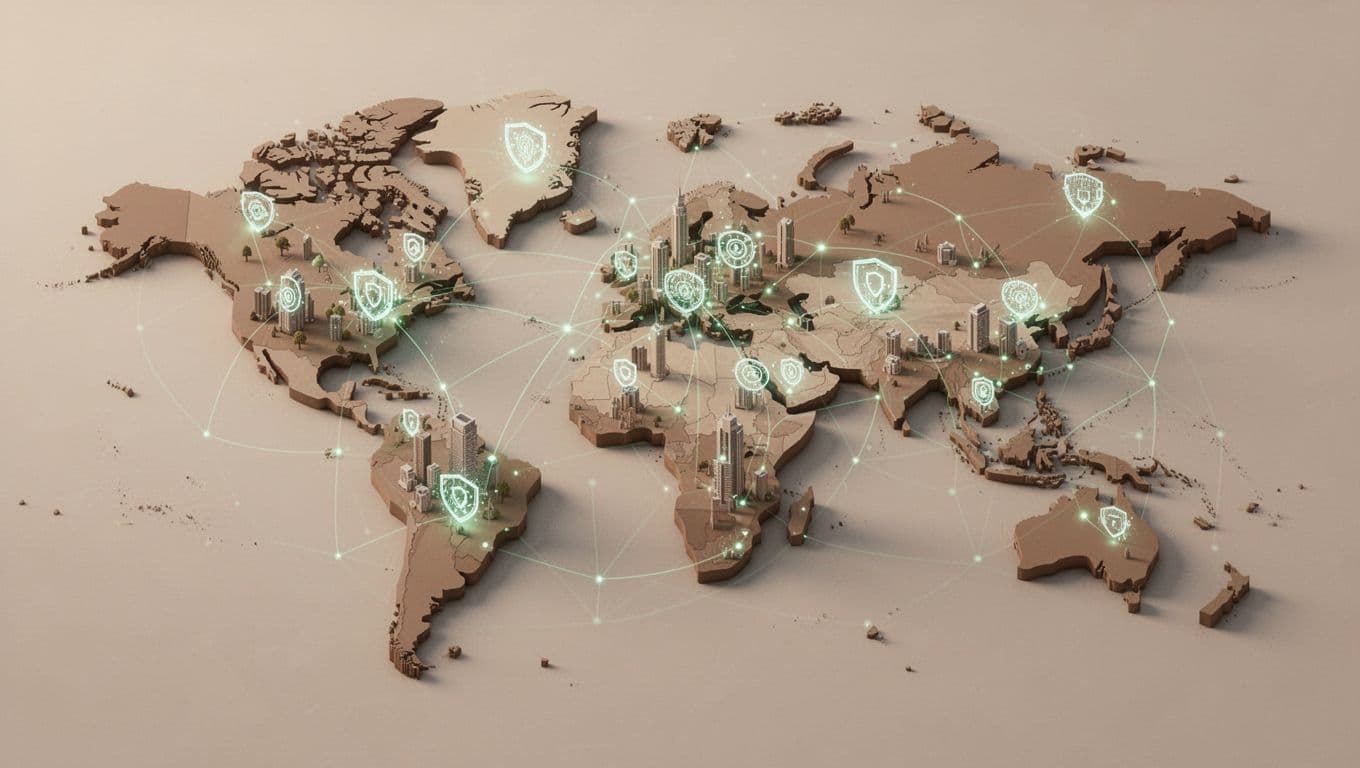
Ask where responders are based, how follow-the-sun coverage works, and whether local language support is available. Also confirm if the firm can work across your data residency rules, insurance process, and legal counsel needs.
Third-party directories can help here, but they only go so far. A roundup like CyberDB’s 2026 provider list is useful for name gathering, yet you still need direct proof of coverage, staffing, and escalation speed.
This is also where cost needs context. A lower hourly rate can look good, but a slow response costs more if the attack spreads.
When a consultant should also help you build the team
Some buyers discover that the incident is only the symptom. The real issue is a thin bench, missing senior talent, or weak security habits.
If your review shows gaps in cloud security, IAM or PAM, DevSecOps, app security, or security leadership, a consulting firm alone may not close them. That is where a partner that understands both advisory work and hiring can help.
If you need that mix, Book a Discovery Call with Bud Consulting. It can be a practical next step when the problem is bigger than one incident.
The smartest comparison is proof, not promises
The best incident response choice is the one that fits your risk, region, and response model. Brand names matter less than current capability, clear SLAs, and a team that can act fast.
Before you sign, verify the details directly with each firm. In a breach, speed, evidence handling, and coverage decide how much damage you carry into next week.