table of contents
When a breach starts, the wrong hire costs time before it costs money.
An incident response manager has to coordinate people, shape decisions, and keep communication clear when stress rises. In 2026, that role often touches cloud incidents, legal review, compliance deadlines, and executive updates.
That means you are not filling a narrow technical seat. You are hiring someone who can steady the room, direct the response, and help the company learn from it. The best searches start with that reality.
Start with the job the team actually needs
A lot of hiring mistakes begin with a vague job brief. Some companies want an incident commander. Others want a process builder. Many need both.
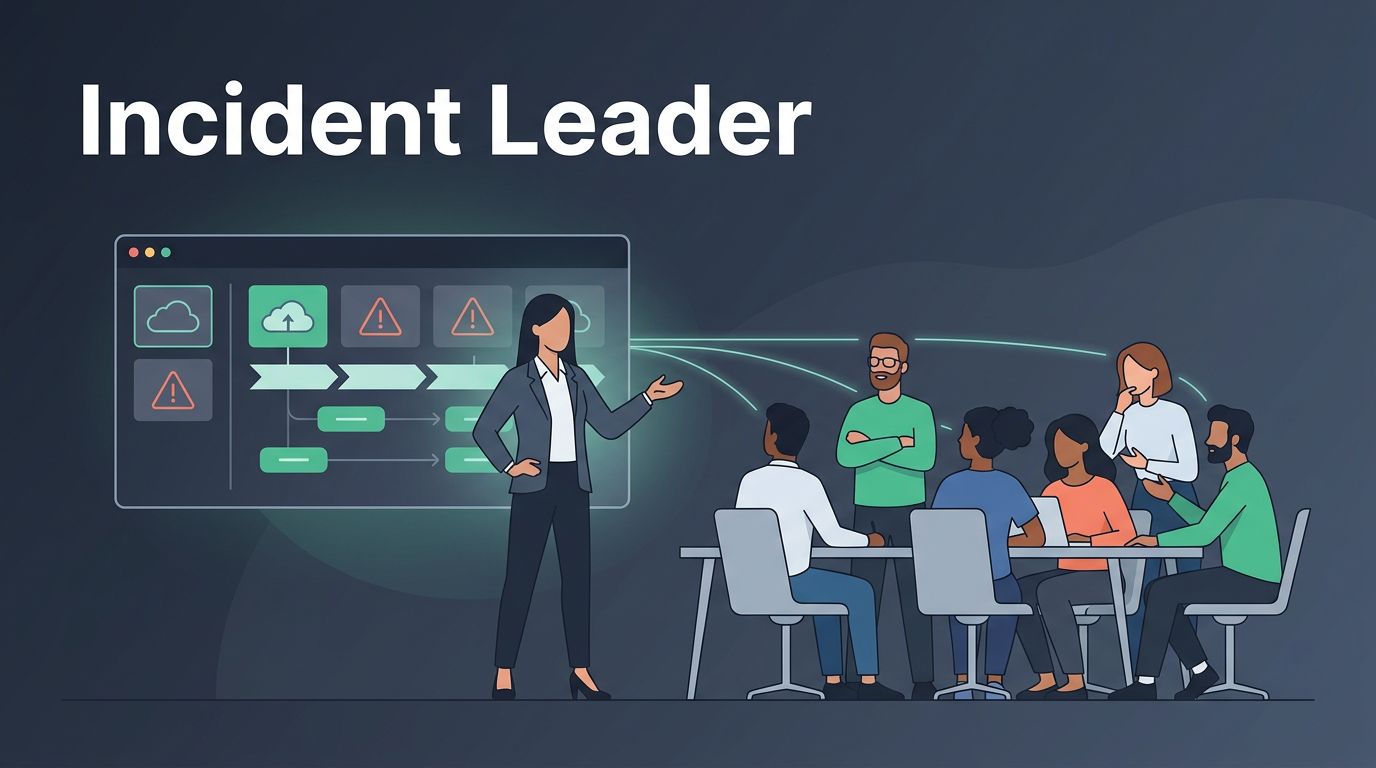
A strong incident response manager sits between detection and decision-making. They keep incidents moving, bring the right people into the room, and make sure the story is accurate for leadership.
That role is broader than ticket handling. It usually includes escalation, timeline control, evidence handling, executive updates, and the post-incident review. If your business is growing fast, the person may also build the playbooks that do not exist yet.

The best incident response managers reduce confusion first, then restore control.
This matters because technical skill alone does not calm a breach. You need someone who can turn scattered updates into one clear plan.
Match the role to company size, industry, and incident maturity
The right hire for a 200-person SaaS company is often different from the right hire for a bank or hospital. Your company size, compliance load, and response maturity should shape the profile.
Use this as a rough guide:
| Company profile | What the role should own | Best-fit candidate background |
|---|---|---|
| Small business or early-stage startup | Build basic playbooks, coordinate outside partners, manage clear updates | Player-coach with hands-on IR and strong communication |
| Mid-sized SaaS or tech company | Lead incidents, run tabletop exercises, improve cloud response | SOC or IR lead with cloud, IAM, and vendor experience |
| Regulated business, like healthcare or finance | Coordinate legal, privacy, and reporting steps | Candidate with breach reporting, audit, or compliance exposure |
| Large enterprise or global team | Matrix leadership, shift handoffs, and cross-region coordination | Manager who has led multi-team incident programs |
If your incident program is still young, hire for structure and calm communication first. If your playbooks already work, then deeper experience with cloud forensics, automation, and root-cause analysis matters more.
The key is fit, not prestige. A great manager in one environment can struggle in another if the scope is off.
The skills that matter most in 2026
Hiring managers often ask for too many technical tools and not enough judgment. In 2026, the market rewards leaders who can do both.
Start with communication. An incident response manager must explain risk in plain language to executives, legal teams, and operations leaders. That includes concise status updates, accurate timelines, and sharp post-incident summaries.
Then look at coordination. The person should work well with SOC analysts, cloud teams, IT, legal, privacy, HR, and vendors. During a serious event, those groups need one point of control.
Next, test pressure handling. Incidents rarely come with perfect data. The right candidate makes a sound call with incomplete facts and keeps the team aligned.
Technical depth still matters, especially in cloud-heavy environments. Ask about identity issues, SIEM data, log review, cloud service failures, and automation for triage. Also look for experience with incident reports, tabletop exercises, and lessons-learned sessions.
For a useful breakdown of communication skills and stress tests, see Salesforce’s CSIRT hiring guide. It does a good job of showing how leadership changes when the pressure is real.
You can also use incident manager skills and process guidance as a simple reference for core capabilities. It lines up well with the communication and coordination needs that matter in the interview stage.
Build an interview process that tests real judgment
A polished resume does not tell you how someone behaves during an outage. The interview process has to test thinking, tone, and follow-through.
A simple structure works well:
- Start with one real incident example. Ask the candidate to walk through the first 30 minutes.
- Ask for a written status update to the CEO or CISO. Good writing often reveals clear thinking.
- Bring in legal, IT, and security leaders for one panel. This shows how the candidate handles different priorities.
- Run a scenario based on your own environment. Cloud outage, ransomware, leaked credentials, or vendor failure all work.
- Ask how they handled the postmortem. Strong candidates can show what changed after the event.
References matter here too. Ask former managers how the person handled stress, ambiguity, and feedback. Also ask how they improved process after the incident ended. A good manager leaves the team better than they found it.
If your team lacks time to shape this process, Book a Discovery Call with Bud Consulting can help you refine the brief before the search starts.
A concise checklist for job descriptions and candidate reviews
Use this before you post the role or start interviews.
For the job description
- The role owns incident coordination, not only alert triage.
- The posting names key partners, including SOC, IT, legal, compliance, and vendors.
- The scope says whether this is hands-on, managerial, or both.
- The description lists cloud, communication, and documentation skills.
- The posting reflects any regulated environment, like healthcare, finance, or public sector work.
- The job says whether on-call, after-hours, or shift handoffs are part of the role.
- Success measures include response time, quality of updates, and post-incident improvement.
For candidate review
- They can explain a real incident in plain language.
- They stay calm when the facts are incomplete.
- They can write a short executive update without jargon.
- They know how to work with legal and compliance teams.
- They have improved playbooks, not just followed them.
- They have led tabletop exercises or post-incident reviews.
- They understand the limits of tools and automation.
If a candidate checks most of these boxes, keep going.
Common hiring mistakes that slow the search
The first mistake is overvaluing certifications. Certifications can help, but they do not prove command in a live incident.
Another mistake is hiring for a perfect technical match when the real need is leadership. A deep investigator may struggle if the job needs steady communication and fast coordination.
Budget also gets handled badly. Some teams underpay and then spend months with an open seat. Others overpay for experience they do not need yet. If that sounds familiar, how security directors can hire for incident response without overpaying is a useful perspective.
Finally, many teams skip the legal and compliance angle. That creates problems later, especially in regulated industries. If your company handles customer data, payments, or health records, the person you hire needs to understand breach timing, evidence, and reporting pressure.
Conclusion
Hiring an incident response manager is really about hiring judgment under pressure. The best person is calm, clear, and able to pull the right people into action.
When you match the role to your company size, industry, and maturity, the search gets easier. You stop looking for a perfect resume and start looking for the person who can run the response your business needs.
That’s the real test, and it matters long before the next incident starts.