table of contents
A strong incident response retainer does more than save time during a breach. It sets clear terms before pressure, confusion, and downtime take over.
That matters because incidents move fast. Your team needs the right people, the right scope, and the right handoff points already agreed.
Contract terms that avoid surprises later
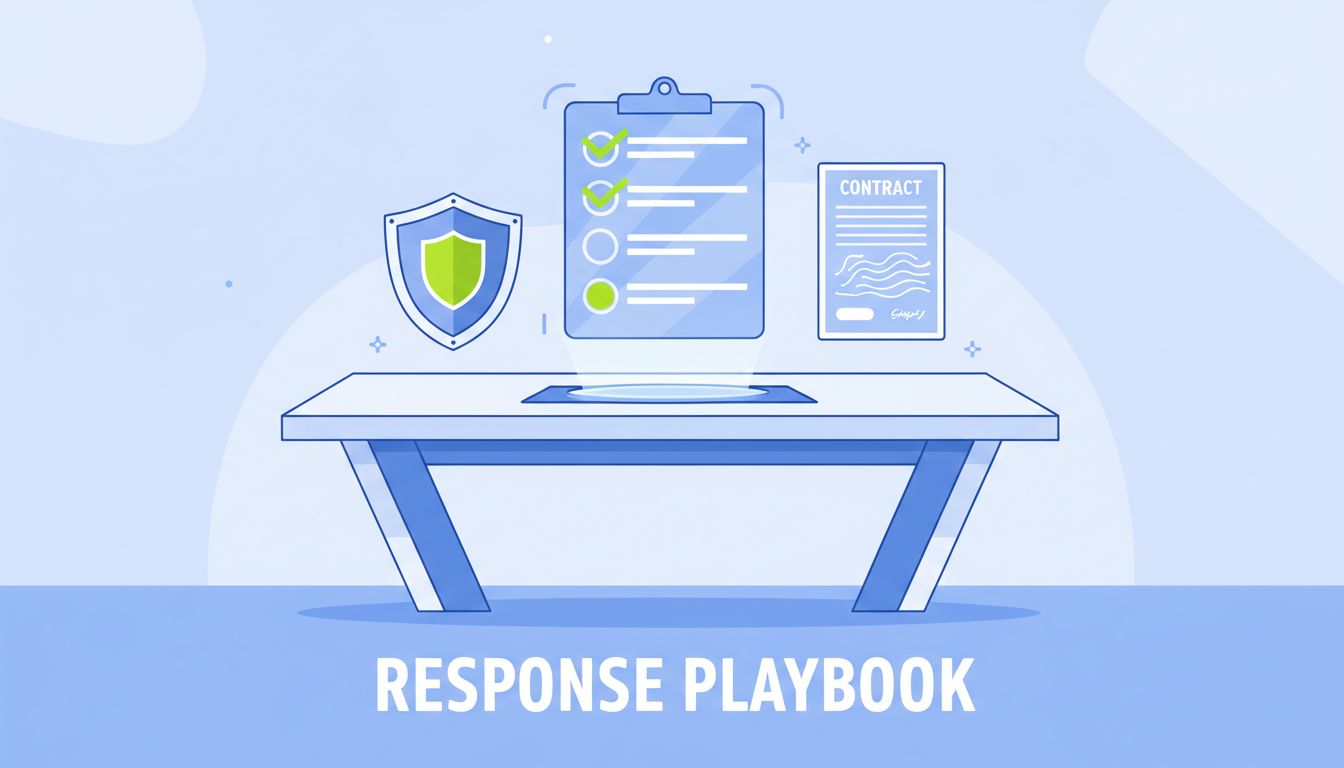
The contract should read like an operating playbook, not a sales brochure. If terms are vague, the first real incident becomes a negotiation.
Start with response times and availability. A good retainer defines who answers, when they answer, and how fast they begin triage. It should also spell out whether you get 24/7 access, named experts, or a shared bench.
Scope matters just as much. The agreement should say what counts as an incident, what systems are covered, and what work is included. That should cover remote support, on-site help if needed, and any limits on hours or spend.
Look closely at billing too. Some retainers bank hours, while others work as pre-paid access. Either can work, but you need clear overage rates, renewal terms, and cancellation rules.
NIST’s incident response guidance is a helpful baseline here. NIST SP 800-61 Rev. 3 outlines the core response flow, from preparation through recovery. A good retainer should support that full cycle, not only the middle of the crisis.
The cheapest retainer on paper can become the most expensive one in a real incident if the scope is fuzzy.
Availability and escalation should be written, not assumed
When a breach starts, nobody wants to hunt through email threads for the right phone number. The retainer should name the first point of contact, the backup path, and the escalation chain.

A solid provider will also define severity levels. A phishing report should not trigger the same process as active ransomware. Your contract should make that difference clear, because it affects who gets called and how quickly the team mobilizes.
Tabletop exercises belong here too. They show whether your escalation path works under stress. They also expose missing names, stale contact lists, and unclear authority.
The best retainers include time for a pre-incident review or a short tabletop session. That work pays off later, because it trims confusion when the real event starts. If you want help comparing providers or pressure-testing your shortlist, Book a Discovery Call with Bud Consulting.
Forensics and recovery work need real depth
A retainer is only useful if the provider can do the work you actually need. That starts with forensics. Ask whether they can preserve evidence, collect logs, image endpoints, and document chain of custody.

That capability matters across endpoints, identity systems, cloud platforms, and SaaS accounts. By 2026, incidents often spread across several layers at once. A narrow desktop-only skill set leaves gaps.
Ransomware support deserves its own check. A good provider should understand containment, restoration sequencing, negotiation strategy, and the role of outside counsel. They should not promise a simple fix. Instead, they should know how to reduce risk while keeping legal and technical steps aligned.
Recovery support should also be part of the deal. That includes rebuilding systems, validating restored data, and helping your team prioritize what comes back first. In other words, the provider should help you get back to work, not only point at the damage.
Legal, privacy, and post-incident reporting should be built in
A breach is rarely only a technical problem. It quickly becomes a legal, privacy, and communications issue too.
Your retainer should explain how the provider works with breach counsel, privacy teams, insurers, and internal stakeholders. It should also cover notification support, because reporting clocks can move fast once regulated data is involved.
NIST’s newer CSF 2.0 incident response profile is useful when you want a broader risk view. NIST’s incident response recommendations connect response work to business risk, not just technical cleanup. That’s the right frame for leadership teams.
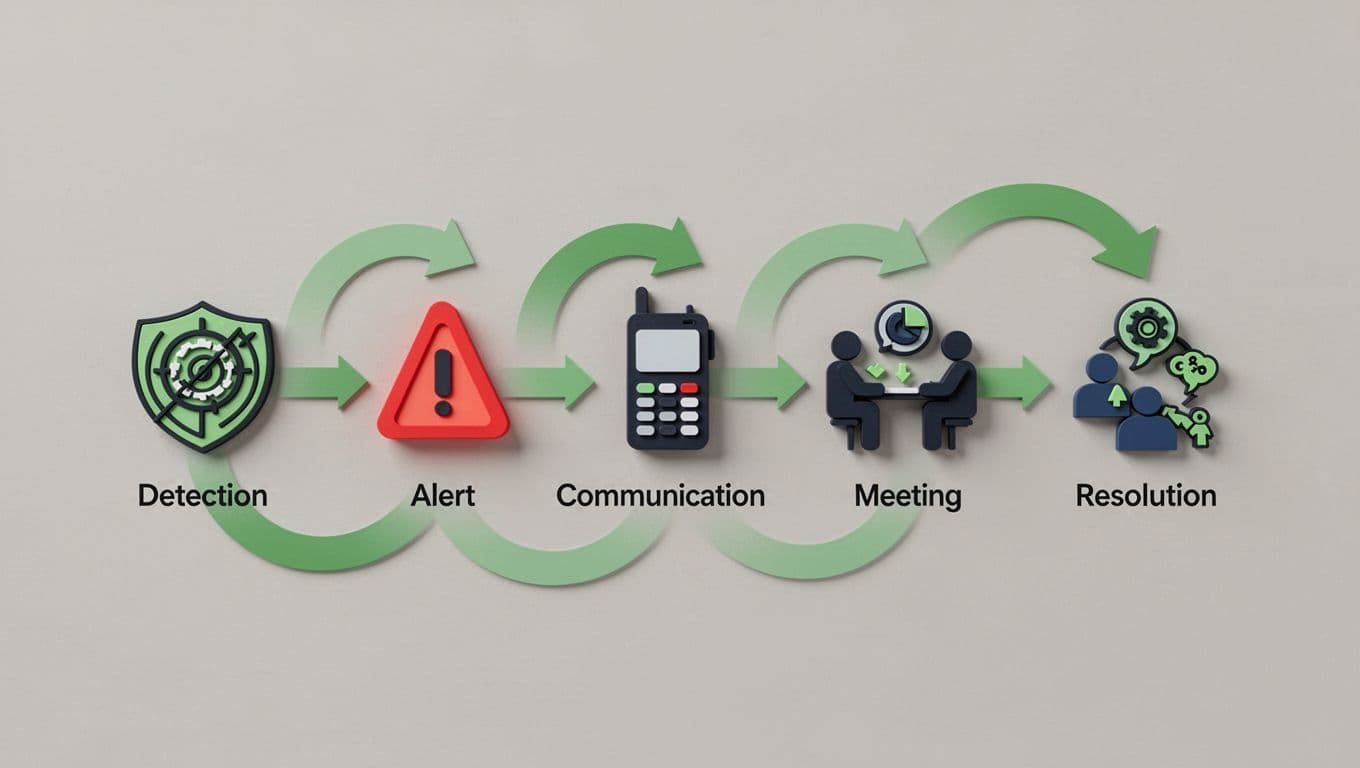
Post-incident reporting should not be an afterthought. Ask for a written summary, a root-cause review, a remediation list, and a follow-up call. That report should be specific enough to support board updates, audits, and future planning.
A good retainer also makes room for lessons learned. Those lessons may feed policy updates, control changes, training, or even hiring plans. If the review never changes anything, the engagement was too thin.
What a good incident response retainer should include
A good retainer should leave no doubt about what happens when the clock starts. It should reduce friction, shorten decisions, and give your team a clear path forward.
Use this as a final check before you sign:
- 24/7 access and clear response SLAs so help starts when the incident starts.
- Named contacts and escalation paths so your team knows who to call first.
- Defined scope and covered systems so there’s no debate about what’s included.
- Forensic capability for logs, imaging, evidence handling, and chain of custody.
- Ransomware support with legal coordination and practical recovery guidance.
- Privacy and regulatory support for counsel handoff and notification planning.
- Tabletop exercises or prep time so your team can test the process early.
- Post-incident reporting with root cause, lessons learned, and next steps.
- Clear pricing terms for hours, rollover, overages, and renewal.
- A real working relationship with people who understand your environment before an incident hits.
That’s the difference between a paper agreement and real readiness.