table of contents
Cybersecurity teams face a talent crunch. In April 2026, a global shortage leaves 4.8 million jobs unfilled. Employers scramble for skilled pros, while candidates weigh their options.
You might lead security or hunt for your next role. Information security headhunters bridge that gap fast. They know the market and match talent to needs.
This guide covers hot roles, vetting tips, and action steps. Let’s spot the right partners today.
Why InfoSec Talent Shortage Hits Hard in 2026
Demand outpaces supply. Companies post roles daily, but few candidates fit. Cloud breaches fuel the rush for experts.
Hiring managers wait months without help. Internal recruiters lack networks for niche skills. Headhunters change that. They tap passive talent others miss.
Recent data shows security jobs at 113% of pre-2020 levels in the US. Remote options widen the pool. Still, burnout pushes pros away, so firms offer better balance now.
For candidates, it’s a seller’s market. Skills trump degrees. Certs like CISSP open doors. Employers prioritize hands-on proof.
Headhunters spot these shifts first. They fill gaps in weeks, not months. Partner with one, and you gain speed.
Hot Roles Information Security Headhunters Fill Now
Headhunters chase specific spots. Cloud security tops lists because misconfigs cause most breaches. SOC analysts watch threats around the clock.
Teams need these pros yesterday. Application security engineers test code flaws. GRC specialists handle NIST rules and audits.

Here’s a quick view of demand:
| Role | Why It’s Hot | Key Skills Needed |
|---|---|---|
| Cloud Security Engineer | Secures AWS, Azure setups | Access controls, threat detection |
| SOC Analyst | Monitors attacks 24/7 | Incident triage, SIEM tools |
| Cybersecurity Engineer | Builds defenses | Detection rules, hybrid systems |
| Application Sec Engineer | Scans code vulnerabilities | SAST/DAST, pen testing |
| GRC Specialist | Manages compliance | NIST frameworks, risk audits |
These roles stay open. For example, senior cyber engineers seek hybrid work in the US and Germany. Headhunters like those in GoGloby’s 2026 list of top agencies target them.
Candidates stand out with projects. Employers value real fixes over theory.
Checklist to Pick Strong Information Security Headhunters
Start with track records. Look for firms that placed CISOs or cloud architects recently. Avoid generalists; seek InfoSec specialists.
Check client reviews and placements. Talentfoot’s 2026 ranking evaluates depth and results.
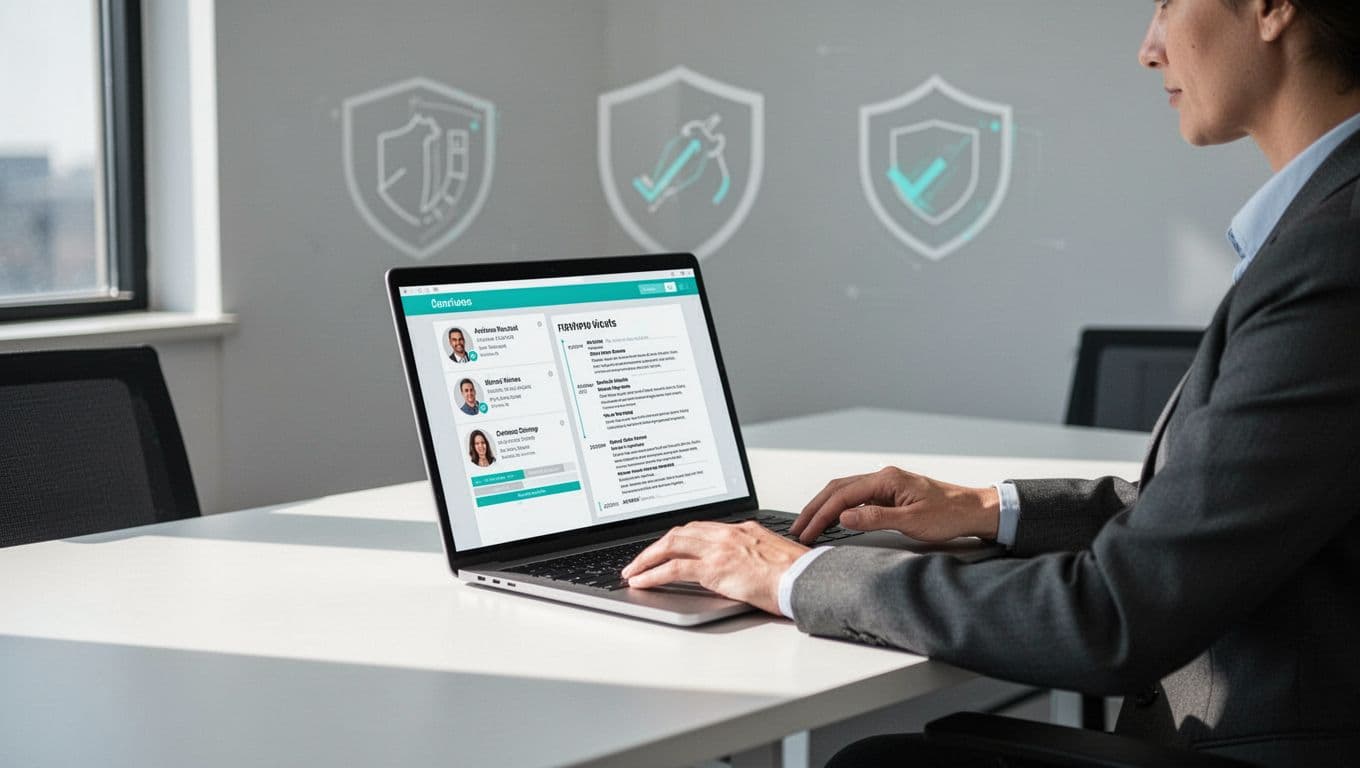
Use this checklist:
- Specialization: Do they focus on security roles like IAM or DevSecOps?
- Network size: Can they reach passive candidates?
- Speed: Average time-to-fill under 60 days?
- Retained vs. contingent: Retained means commitment.
- References: Talk to past clients.
Ask about their process. Good ones map your needs first, then hunt. Test with a call.
Firms like Hitch Partners share CISO benchmarks. That builds trust.
Tips for Candidates to Connect with Headhunters
Pros, update your profile now. Highlight cloud projects or certs. Headhunters scan LinkedIn daily.
Reach out directly. Tailor messages to their niche. For instance, mention a recent placement.
Don’t chase every firm. Pick three that match your level, like top cybersecurity search lists. Build relationships.
Respond fast to intros. Prep for quick interviews. Many roles fill in weeks.
Quick Next Steps for Employers Ready to Hire
Define your role sharp. List must-have skills, like Azure config or threat hunting.
Contact specialists today. CISO headhunters at The Good Search focus on leaders.

Ready to move? Book a Discovery Call with Bud Consulting. They vet senior talent fast.
Start with one outreach. Track progress weekly.
The shortage won’t fix itself. Act now, and secure your team.
Hiring stays tough, but headhunters ease it. Employers fill roles quicker. Candidates land better fits.
What role do you need most? Share below, or connect with experts. Your next hire waits.