
table of contents
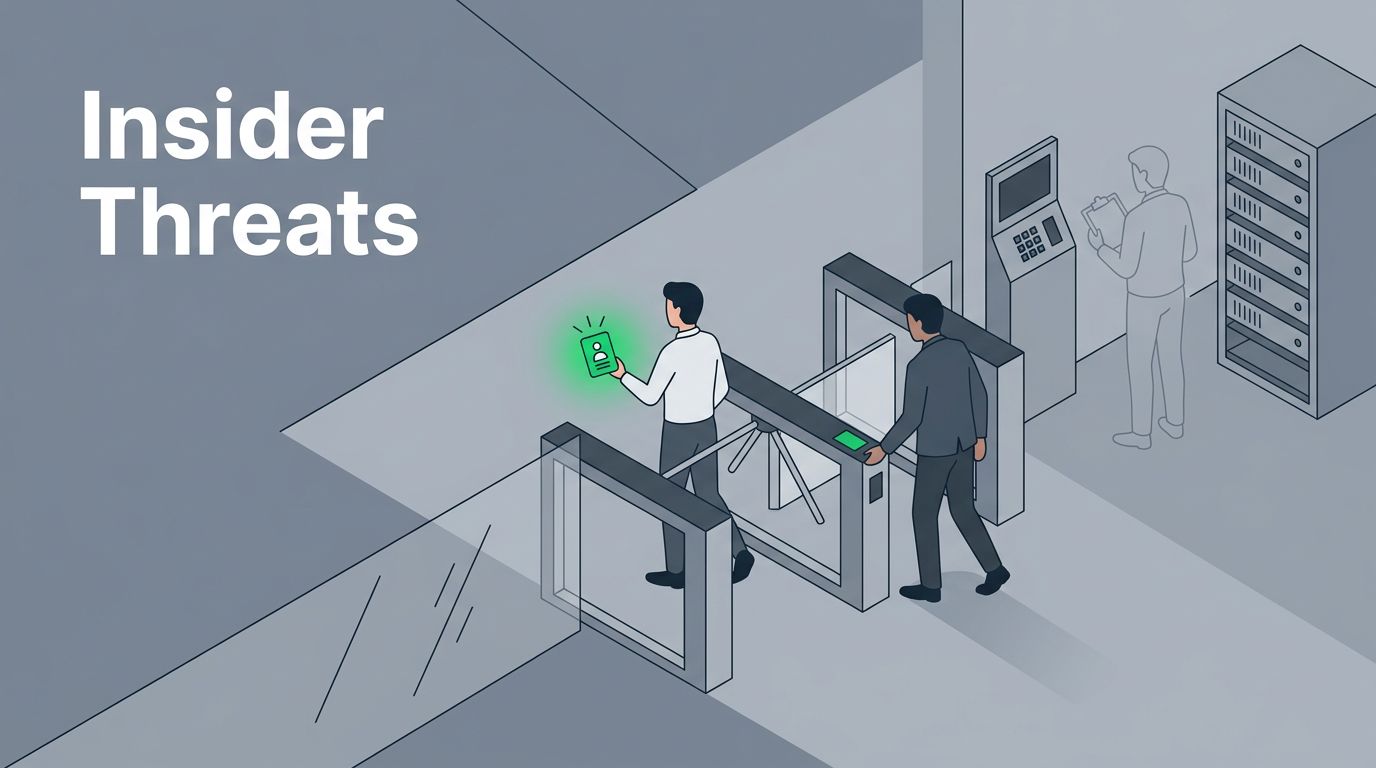
An employee slips their badge to a friend at the secure door. A contractor lingers too long near sensitive equipment. These moments happen daily, but they signal insider physical threats that facilities managers must catch.
You oversee access points, vendors, and workflows in busy buildings. One overlooked risk can lead to theft, sabotage, or worse. Training your team turns observation into action.
This guide covers recognition, prevention, and response. Start with clear definitions, then build practical programs.
What Insider Physical Threats Look Like
Insider physical threats come from trusted people inside your facility. Employees, contractors, or vendors misuse access. This differs from cyber attacks, which target data remotely. Physical threats hit hardware, spaces, or people directly. Overlaps exist, like when badge sharing leads to data theft.
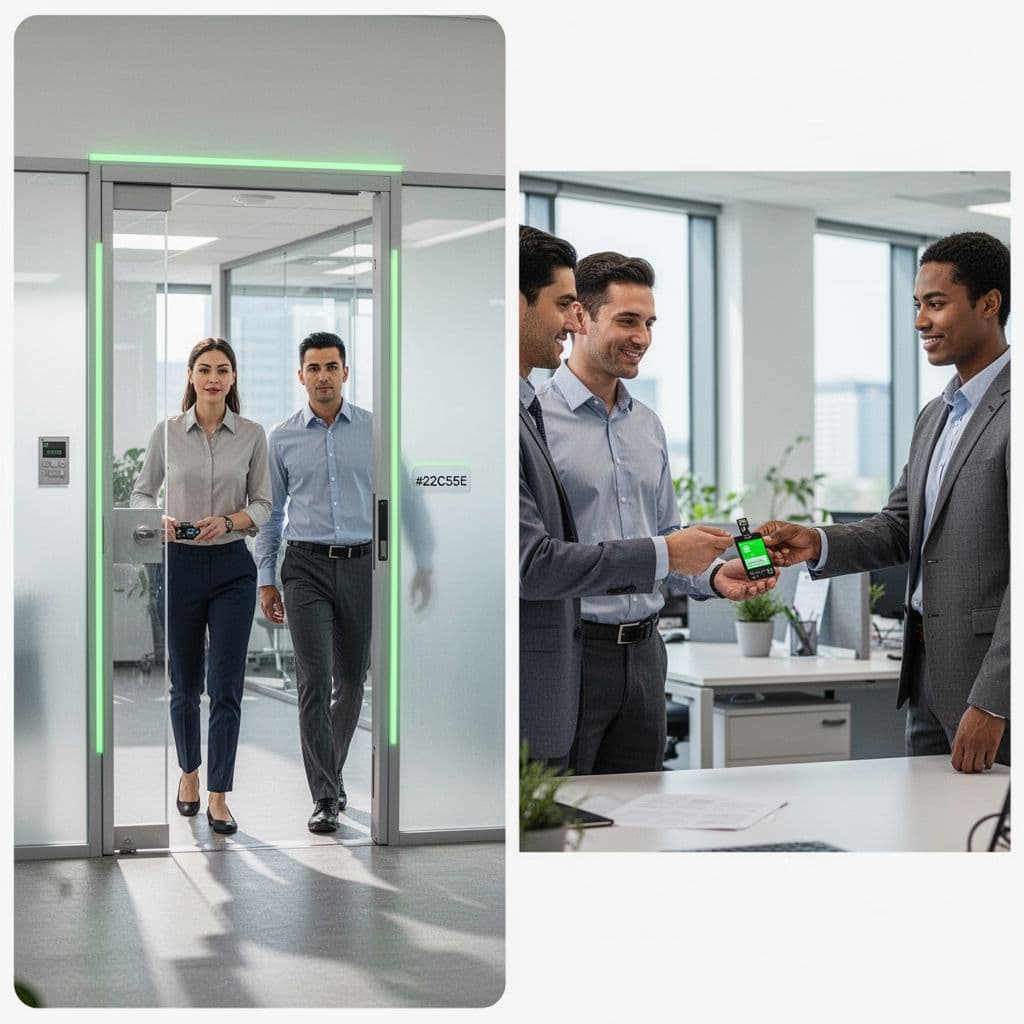
Common examples include tailgating, where someone follows through a door without scanning. Badge misuse happens when staff lend credentials. Unauthorized access shows up as off-hours entry. Sabotage might involve tampering with equipment. Theft targets supplies or devices.
Workplace violence indicators appear too. Watch for sudden isolation or aggressive outbursts. Contractors abuse vendor routines by straying from paths. Delivery workflows get manipulated when boxes bypass checks.
The Software Engineering Institute at Carnegie Mellon lists real cases. Janitors stole info after social engineering. Employees piggybacked into restricted areas.
Facilities managers spot these first. You see patterns others miss. Training starts here, with facts over fear.
Spotting Insider Physical Threats in Action
Your team patrols hallways and checks logs. Train them to notice subtle signs. Tailgating often pairs with rushed steps or avoided eye contact. Badge misuse involves quick handoffs near doors.
Sabotage leaves clues like misplaced tools. Theft follows unusual package hauls. Violence precursors include raised voices or desk clutter from packing up early.
Contractors test boundaries by asking for unneeded tours. Vendors skip manifests during busy shifts.
Use drills to practice. Role-play a delivery person wandering. Discuss what feels off. Document behaviors, not assumptions.
The CISA definition of insider threats stresses sabotage and violence. It matches your daily view.
Early spots prevent escalation. Therefore, log everything. Share with security leads right away.
Building Your Training Program
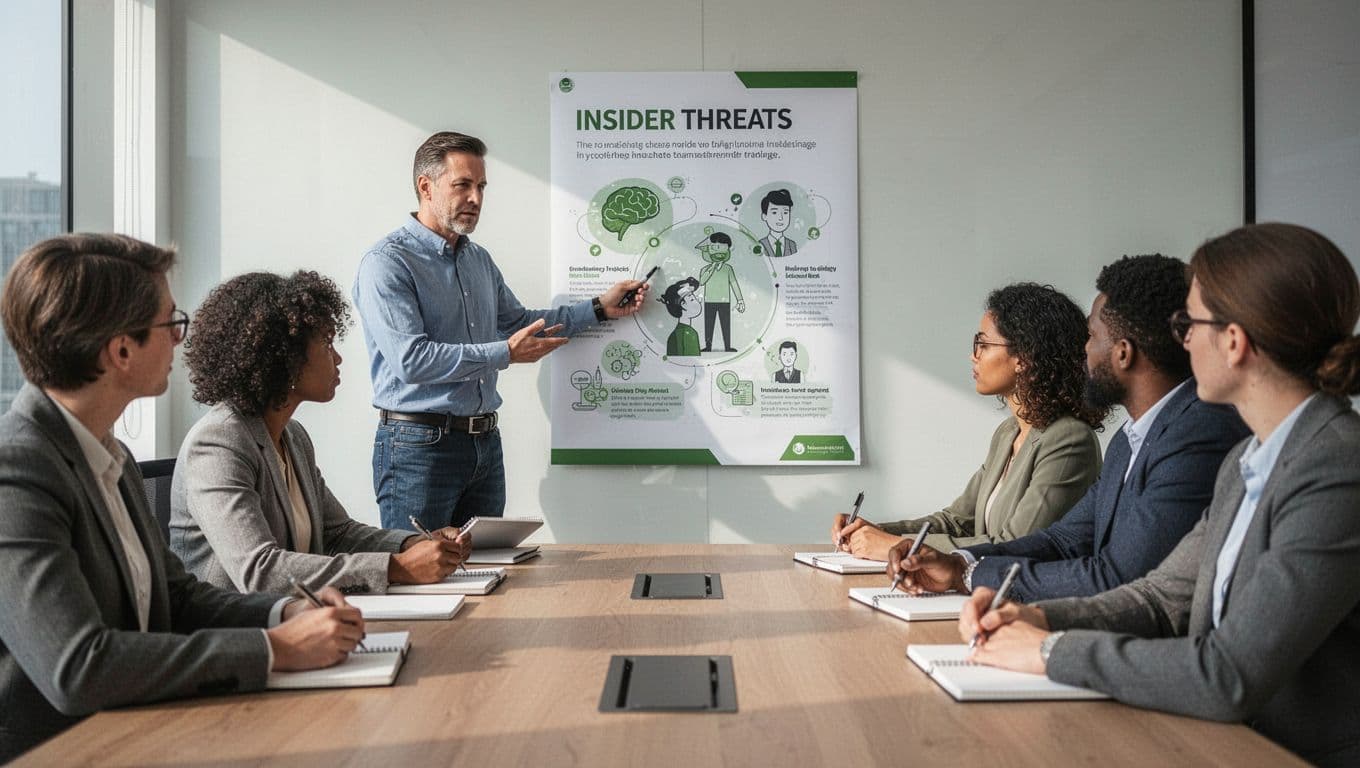
Start with short sessions, 30 minutes monthly. Cover examples first. Use videos of tailgating fails.
Mix in-person and online modules. Facilities staff learn best hands-on.
Follow these steps:
- Assess current risks. Walk the site with your team.
- Set policies. Define badge rules and escort needs.
- Train on observation. Teach “see something, say something.”
- Test with quizzes. Track who passes.
- Review quarterly. Update for new threats.
Facilities Management Advisor on workplace violence indicators urges quick reports. You observe, then communicate.
Involve EHS and ops leads. They bring fresh eyes. Budget for tools like badge trackers.
Results show up fast. Staff challenge unknowns more. Incidents drop.
Everyday Prevention Tactics
Lock down access daily. Verify IDs at every point. Escorts for contractors cut risks.
Check deliveries against lists. No exceptions during rush hours.
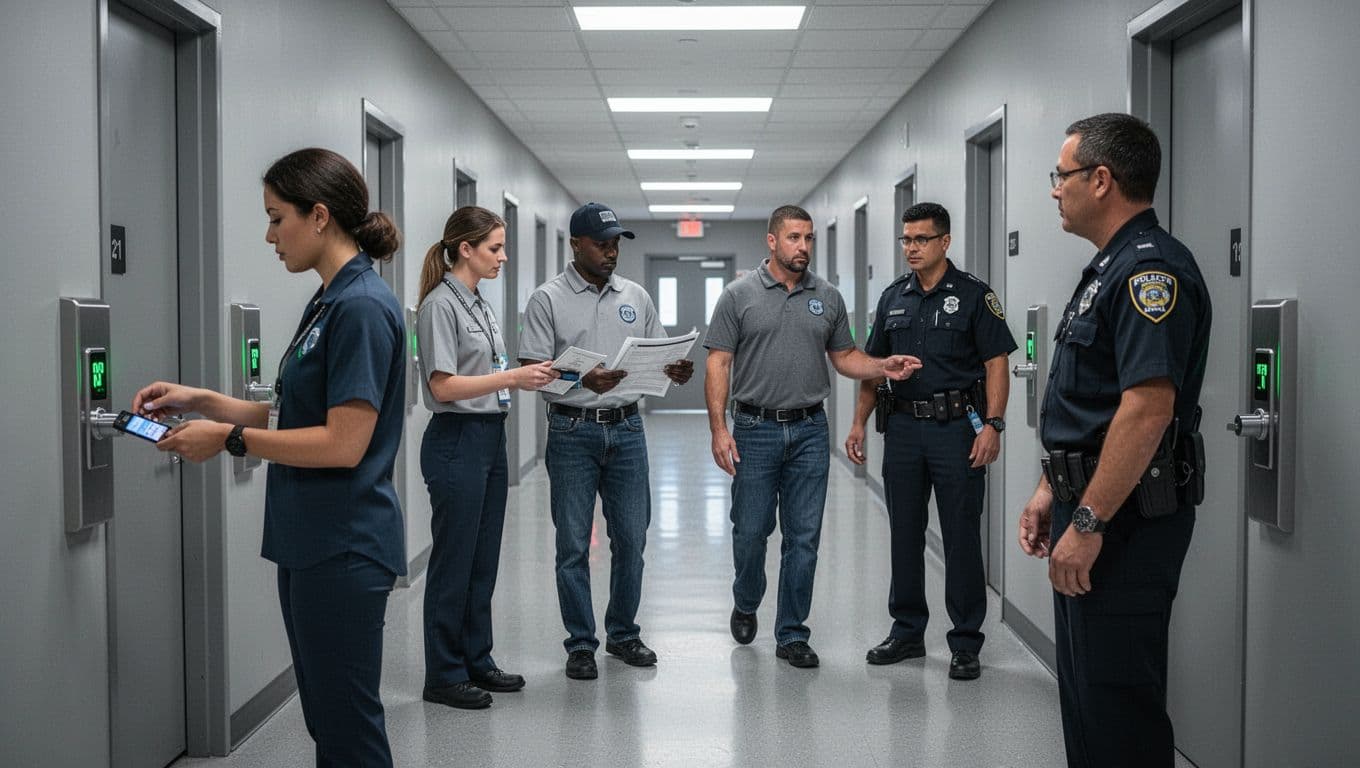
Monitor cameras for tailgating. Audit badges weekly. Revoke on termination.
For maintenance, pair workers. Vendors get timed slots.
CISA’s managing insider threats guide recommends monitoring. It fits physical setups.
Enforce consistently. Praise good calls. This builds habits.
Overlaps with cyber matter too. Physical entry enables USB drops. Train on both.
Response Protocols That Work
Spot a threat? Act calm. Document details: time, description, actions.
Alert security via radio or app. Don’t confront alone.
For violence signs, evacuate if needed. Follow active shooter plans.
After, debrief. Adjust training.
Buildings.com outlines five key action steps for security teams. Include evacuations and access reviews.
Cross-train with IT. They handle digital follows.
Practice responses yearly. Teams gel under pressure.
Conclusion
Facilities managers hold the front line against insider physical threats. You spot tailgating, badge slips, and workflow tricks before damage hits.
Key steps include targeted training, daily verifications, and quick reports. Coordination with security and ops strengthens everything.
Build these habits now. Your building stays safer. For tailored advice, Book a Discovery Call with Bud Consulting.

