table of contents
How can a known employee be harder to hire than an outside applicant? If your team is stuck in that loop, you’re not imagining it.
Many internal hiring challenges feel personal because they happen in public. Roles stall, managers push back, strong employees lose faith, and recruiters get blamed. Yet most of the friction comes from process gaps, mixed incentives, and plain old organizational complexity.
That matters, because you can’t fix a system problem by pressuring one person to work harder.
Why internal hiring often breaks down behind the scenes
Internal hiring sounds simple on paper. You already know the company, the culture, and the employee. Still, internal moves often get tangled faster than external ones.
One reason is competing goals. Talent teams want mobility. Hiring managers want the best fit. Current managers want to keep their top people. Finance may worry about backfill cost. So even when everyone says they support internal growth, the process can still grind to a halt.
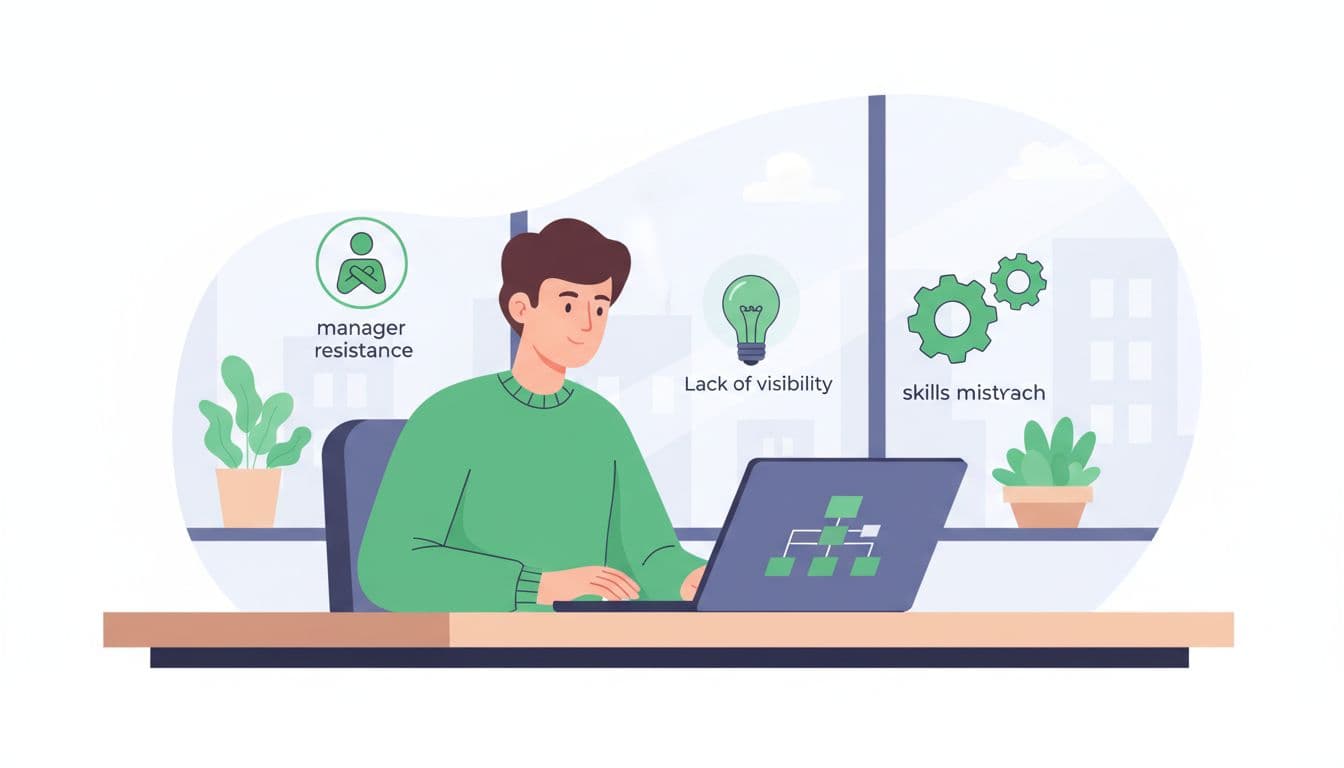
Another issue is poor visibility. Employees may not know what roles exist, whether they qualify, or how the process works. As a result, they either don’t apply or they apply too late. Meanwhile, recruiters spend time managing confusion instead of matching people to openings.
Criteria often shift as well. A role starts as “open to growth potential,” then becomes “must have done this exact job before.” That change can knock out strong internal candidates after weeks of interviews. It feels unfair because it is unfair.
This quick view helps separate symptoms from root causes:
| What you see | What may be causing it |
|---|---|
| Few internal applicants | Employees don’t trust the process or can’t see a path |
| Manager resistance | Teams fear losing talent without a backfill plan |
| Slow decisions | Too many approvals and unclear ownership |
| Late-stage drop-offs | Role criteria changed or stayed vague |
The big takeaway is simple. Internal hiring struggles are common because systems pull people in different directions. Recruiters sit in the middle, but they rarely create the problem alone.
What internal hiring struggles look like in real teams
These problems show up in familiar ways. For example, an employee in IT wants to move into a cloud security role. They already know the environment and tools. Even so, their manager delays approval because the team can’t afford to lose them this quarter.
In another case, a strong analyst applies for an internal move and hears nothing for two weeks. Then the hiring team asks for experience that was never listed. The candidate stays polite, but trust drops. Next time, they may look outside the company first.

Security hiring brings this into sharp focus. A business may need an AppSec lead, IAM engineer, or senior security architect. Internal talent exists, but not always in a neat job-title match. Someone may have 70 percent of the skills and strong context. Yet if the process only rewards perfect alignment, the business misses a high-upside move.
When internal hiring keeps stalling, the issue is usually the handoff between teams, not a lack of effort.
There’s also the quiet damage. Employees watch what happens to others. If internal candidates get slow responses, vague feedback, or blocked moves, people stop raising their hands. That weakens mobility, hurts retention, and makes external hiring harder too.
So if your process feels messy, that doesn’t mean your team is weak. It often means your rules, incentives, and decision points need clearer structure.
Practical fixes for internal hiring challenges that keep recurring
You don’t need a perfect program to improve internal hiring. You need a process people can trust, and managers can live with.
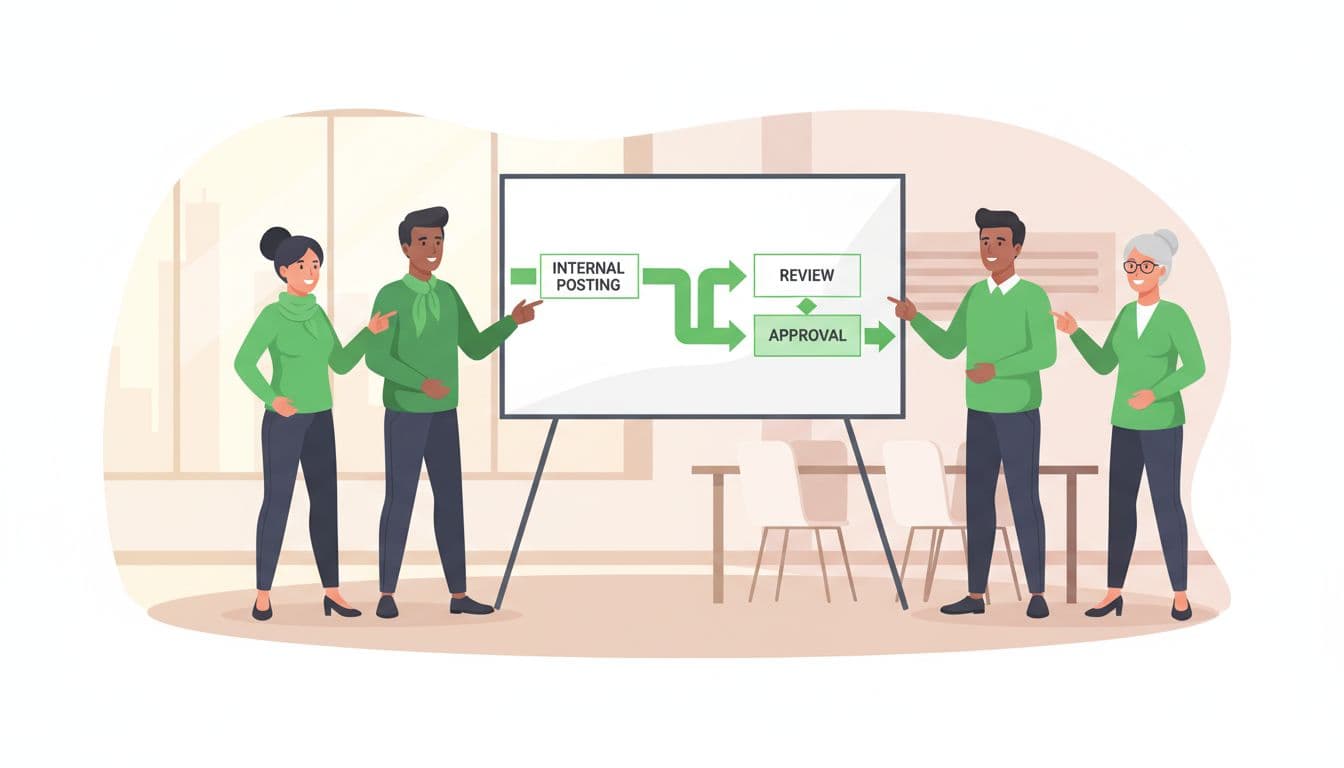
Start by making the rules visible. Spell out who can apply, when a current manager is informed, how long each stage should take, and who makes the final call. Clear rules reduce hallway politics.
Next, define roles by skills, not only titles. This matters most for hard-to-fill jobs. A strong engineer may be ready for security work even without the exact label on their resume. When teams assess capability, not just title history, internal pools get stronger.
It also helps to reduce the fear of talent loss. Managers block moves when they think they will be punished for developing people. Therefore, give them a backfill path, short-term support, or shared staffing help. Once movement feels safer, resistance drops.
A few fixes work especially well:
- Set a simple service-level timeline for internal applicants, so they hear back quickly.
- Require hiring teams to lock core criteria before interviews begin.
- Give current managers a clear window for transition planning, not veto power.
- Track internal pass-through rates, offer rates, and reasons for rejection each month.
Feedback matters too. Internal candidates don’t need a generic rejection note. They need a respectful explanation and a next step. Maybe they need one certification, more client-facing work, or exposure to a certain platform. That kind of feedback keeps people engaged instead of discouraged.
Most importantly, HR and hiring leaders should review stuck roles together. If the same bottlenecks keep showing up, fix the handoffs. Don’t keep asking recruiters to push harder on a broken path.
Internal hiring works better when trust replaces guesswork
If internal hiring feels harder than it should, the frustration is real. Still, it usually points to a system that needs tighter rules, clearer ownership, and better support for managers.
The strongest fix is trust. When employees understand the process and managers feel supported, internal movement gets faster and fairer.
Take one stalled step in your process this month and redesign it. Small changes often do more than another urgent hiring meeting.