table of contents
Local governments are under steady cyber pressure, and the weak spots are often old systems, small teams, and slow procurement. A recent 2026 local government cybersecurity survey points to the same problem many CIOs already know, the gap between what agencies need and what they can staff keeps growing.
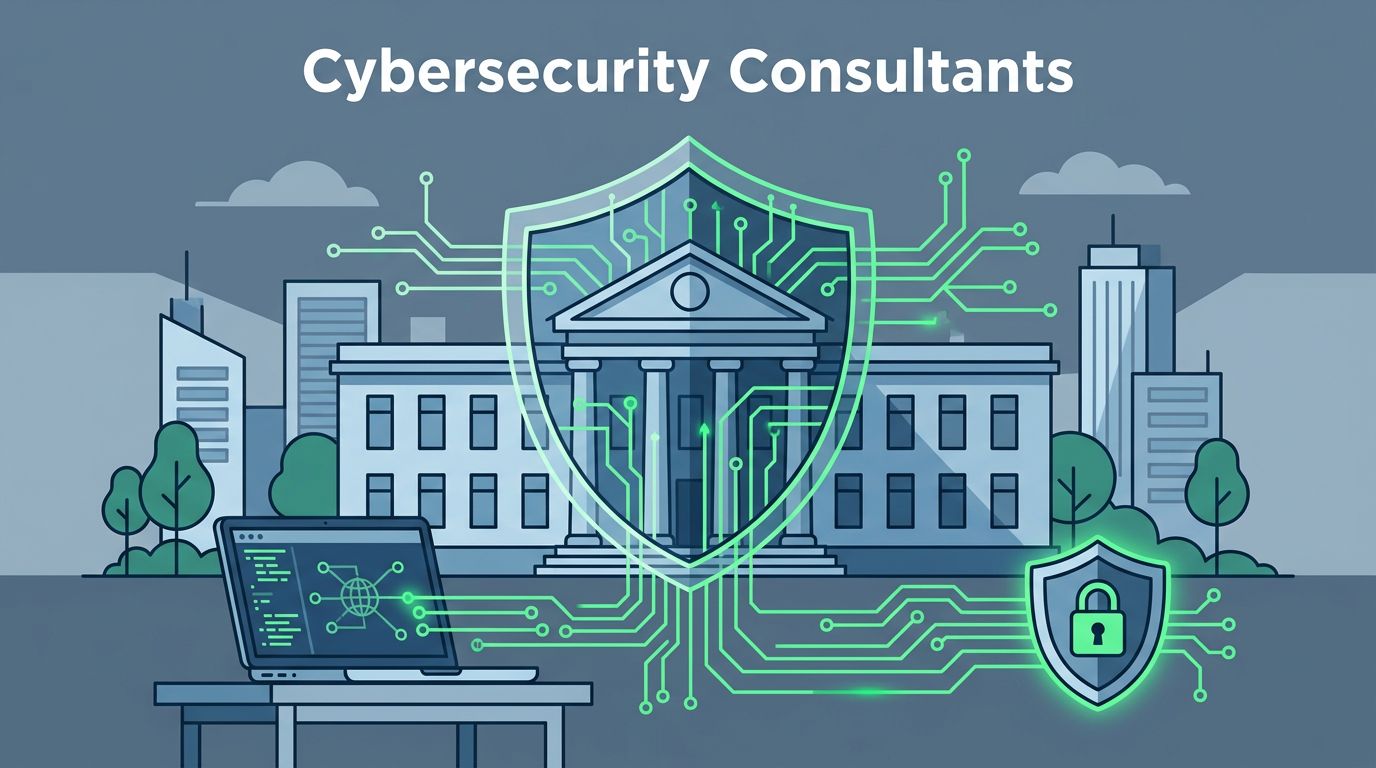
That’s why the best local government cybersecurity consultants do more than patch gaps. They help you respond to incidents, build a realistic roadmap, and defend budgets with facts. The right firm should fit your environment, your contracts, and your public mission.
What a local government consultant should bring to the table
A strong consultant for city, county, utility, or public safety work should speak both security and procurement. That means they can explain risk in plain language, then back it up with a clean scope, timelines, and deliverables.
They should also know how to work inside public sector limits. That includes incident response support, vCISO services, ransomware readiness, and clear alignment to NIST CSF or CIS Controls. If your police, dispatch, or justice systems touch criminal data, CJIS familiarity matters too. For other agencies, look for experience with utilities, school-adjacent entities, libraries, and shared-service environments.
The non-negotiables to check
- Response speed: Can they jump in during a live incident, or only after a contract change?
- Public sector proof: Do they have municipal, county, or utility references you can verify?
- Funding awareness: Can they work within grant rules or state-funded cyber programs?
- Regional coverage: Can they support on-site work when needed, not only remote calls?
- Procurement fit: Do they offer cooperative contracts, RFP support, or flexible scopes?

The cheapest bid can become the most expensive one after a breach.
Local government cybersecurity consultants worth shortlisting
There’s no single winner for every agency. Still, several firms stand out for different reasons. For broader market context, Cyber Magazine’s consulting firms list and CaseBasix’s public sector consulting roundup can help you compare names before you issue an RFP.
| Consultant | Best fit | Why it may work for local government | Watch for |
|---|---|---|---|
| ClientFirst Technology Consulting | Agencies needing advisory plus planning | Publicly highlights local government cybersecurity consulting, program oversight, vCISO services, and NIST-based methods. It also mentions CJIS, HIPAA, and SCADA familiarity. | Verify recent municipal references and the exact staff assigned. |
| Brite | Municipalities and public safety teams | Its local government page focuses on co-managed cybersecurity, 24/7 US-based support, and analyst access. That can help smaller teams stretch coverage. | Ask about incident retainer terms and reporting depth. |
| Shield 7 | State and local entities seeking tailored support | The firm positions itself around state and local government cybersecurity services with customized solutions. | Check for documented government case studies and contract flexibility. |
| Booz Allen Hamilton | Larger counties or regional programs | Strong public sector reach, with work in strategy, risk, workforce training, and incident response. | Make sure the engagement is sized for local government, not federal-heavy work alone. |
| Arctic Wolf | Mid-sized agencies that need round-the-clock monitoring | Public sources describe strong 24/7 MDR support, which fits teams without a full security operations center. | Confirm how the service handles local government compliance and escalation. |
These firms serve different needs, so the best choice depends on your gap. A city that needs board-level planning and policy help may prefer ClientFirst or Booz Allen. A county with a small IT staff may get more value from Brite or Arctic Wolf. Meanwhile, a public safety-heavy agency should press hard on CJIS knowledge and breach response timing.
How to compare proposals without getting lost in the noise
The strongest proposals read like an operating plan, not a brochure. Ask each consultant to show how they would support the first 30, 60, and 90 days. Then test how they handle a ransomware event, a privileged account review, or a gap in backup testing.
A good proposal should answer a few plain questions. Who will lead the work? What happens after hours? How will they map findings to NIST CSF or CIS Controls? And how will they support your procurement team if the scope changes after a tabletop exercise or incident review?
If your agency also needs senior talent, a consultant who understands staffing gaps can be valuable. You can Book a Discovery Call with Bud Consulting when you need help finding a vCISO, security leader, or specialist with public sector experience.
Just remember, public websites only tell part of the story. Verify references, certifications, insurance, contract vehicles, and recent government case studies before you award anything.
The right consultant won’t promise magic. They’ll help you reduce risk in a way your council, manager, and procurement team can all defend. For local government, that kind of fit matters more than a flashy pitch.