table of contents
Manufacturing plants don’t get hacked like office networks. Attackers go after uptime, safety, and control systems, which makes the stakes much higher.
That’s why manufacturing cybersecurity consultants need a different skill set. You want people who understand OT, SCADA, PLCs, change windows, and the cost of a line going down at the wrong moment.
OT security for manufacturing is less about alerts and more about keeping the line moving.
Why manufacturing needs specialized help
A good IT consultant can spot weak passwords and missing patches. That helps, but it’s not enough on a plant floor.
Manufacturing environments mix old equipment, remote access, vendor support, and strict production schedules. One rushed fix can create a safety issue or a shutdown. That’s why the best consultants in this space work like mechanics and risk advisers at the same time.
In 2026, the strongest firms still blend asset visibility, assessment work, incident response, and plant-safe testing. If you want a quick market view before you choose, a 2026 OT security vendor comparison is a useful starting point.
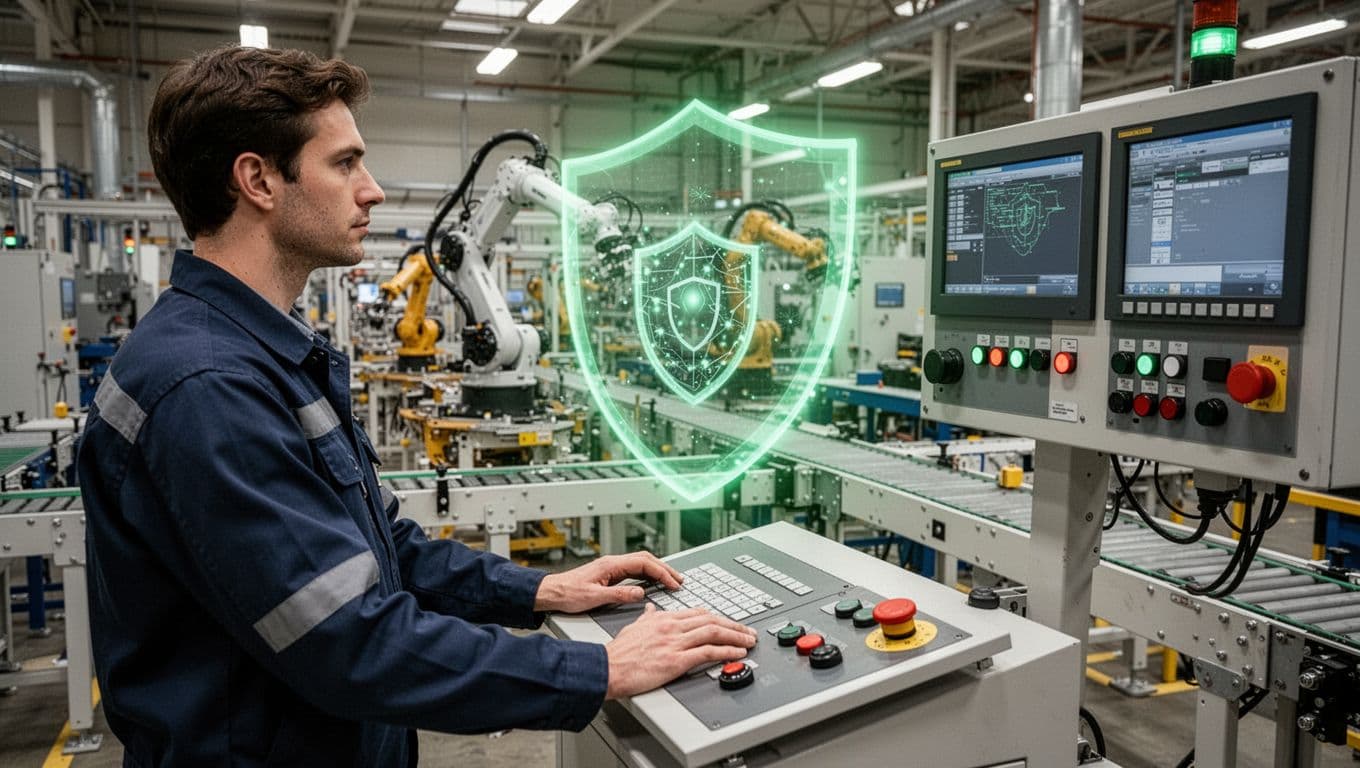
Consultants worth shortlisting for plant environments
The right choice depends on your biggest gap. Some teams need OT visibility. Others need testing, response plans, or architecture help. The names below stand out because they work on real industrial problems, not generic enterprise checklists.
| Consultant | Overview | Ideal use case | Strengths | Possible limitations | Notable services |
|---|---|---|---|---|---|
| Dragos | OT-focused firm with deep industrial threat knowledge and response support. | Large plants or multi-site operations that need OT monitoring and incident help. | Strong OT expertise, response planning, and assessment depth. | May be more than a small site needs for basic hardening. | OT assessments, monitoring, incident response, response planning. |
| Claroty | Cyber-physical security specialist with a strong focus on industrial assets. | Manufacturers with lots of connected equipment and remote access paths. | Good asset visibility, risk context, and industrial coverage. | Often works best when paired with an internal OT team. | Industrial cybersecurity, asset discovery, risk management. |
| Nozomi Networks | OT and IoT security firm known for visibility across mixed industrial networks. | Sites that need fast inventory work and anomaly detection across many assets. | Broad device support, strong monitoring, and scale across sites. | Value depends on solid follow-through after detection. | OT/IoT security, monitoring, asset management, reporting. |
| UTSI International | OT/ICS consulting specialist with a practical industrial focus. | Teams that want hands-on guidance for plants, not just tools. | Deep OT focus, critical infrastructure experience, practical advice. | Smaller public footprint than the biggest OT brands. | OT/ICS cybersecurity, architecture support, monitoring, response. |
| Raxis | OT penetration testing firm that focuses on SCADA and industrial networks. | Plants that need safe testing without disrupting operations. | Good for validation, controlled testing, and clear findings. | Not a full managed OT security program. | OT pentesting, SCADA security, vulnerability validation. |
If you need training or incident playbooks more than tooling, specialists like Dean Parsons and ICS Defense Force also deserve a look. They’re a strong fit when your team needs hands-on OT response practice.
How to compare them before you sign
The table helps narrow the field, but your own plant needs should make the final call. Two factories in the same industry can need completely different help.
Start with the problem, not the brand. If you need better visibility, pick a firm with OT discovery and monitoring depth. If you’re worried about ransomware, choose a consultant with real incident response work in industrial settings. If your question is, “Can someone test this safely?” then OT penetration testing matters more than broad advisory.
Use these three checks before you move forward:
- Ask for examples from plants that look like yours.
- Ask how they work around uptime, safety, and change control.
- Ask what happens after the report lands on your desk.
A consultant should give you answers that fit your production model. If they talk only about endpoints, firewalls, and generic compliance, keep looking.
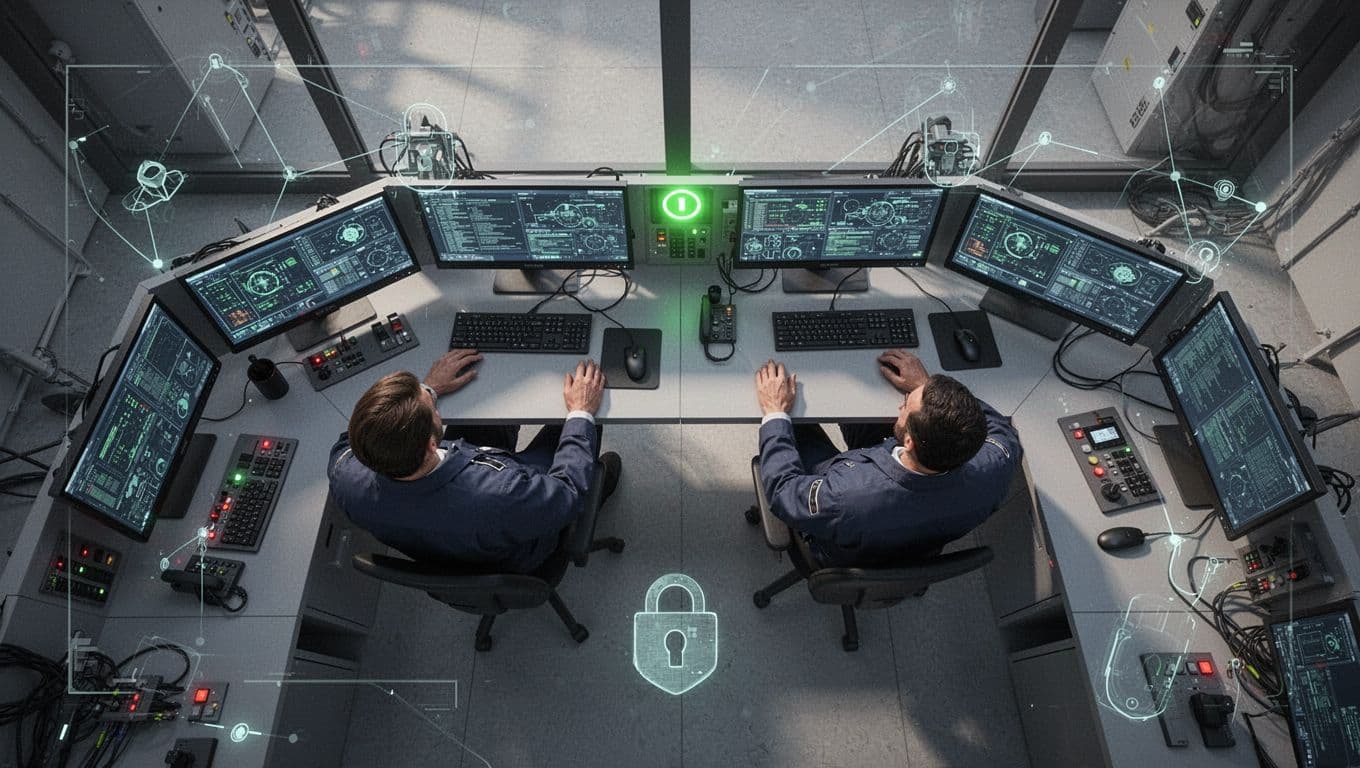
Another smart move is to ask for a short, concrete plan. For example, an engineer-friendly consultant should be able to explain how they’d map critical assets, segment the network, and handle a ransomware event without stopping the wrong line.
If your team also needs help finding senior security talent, Book a Discovery Call with Bud Consulting.
The right fit protects uptime first
The best manufacturing cybersecurity consultant is the one who understands that downtime has a price. It can hit revenue, safety, customer trust, and delivery dates all at once.
That’s why the strongest choices in 2026 are the firms that know OT systems well and speak plainly about risk. Choose for plant fit, not for flashy claims, and you’ll get advice your team can use on Monday morning.