table of contents
Mobile apps handle sensitive data on devices attackers can touch. One overlooked flaw in storage or an API call opens doors to breaches. You face constant pressure to ship features fast while attackers probe for weaknesses.
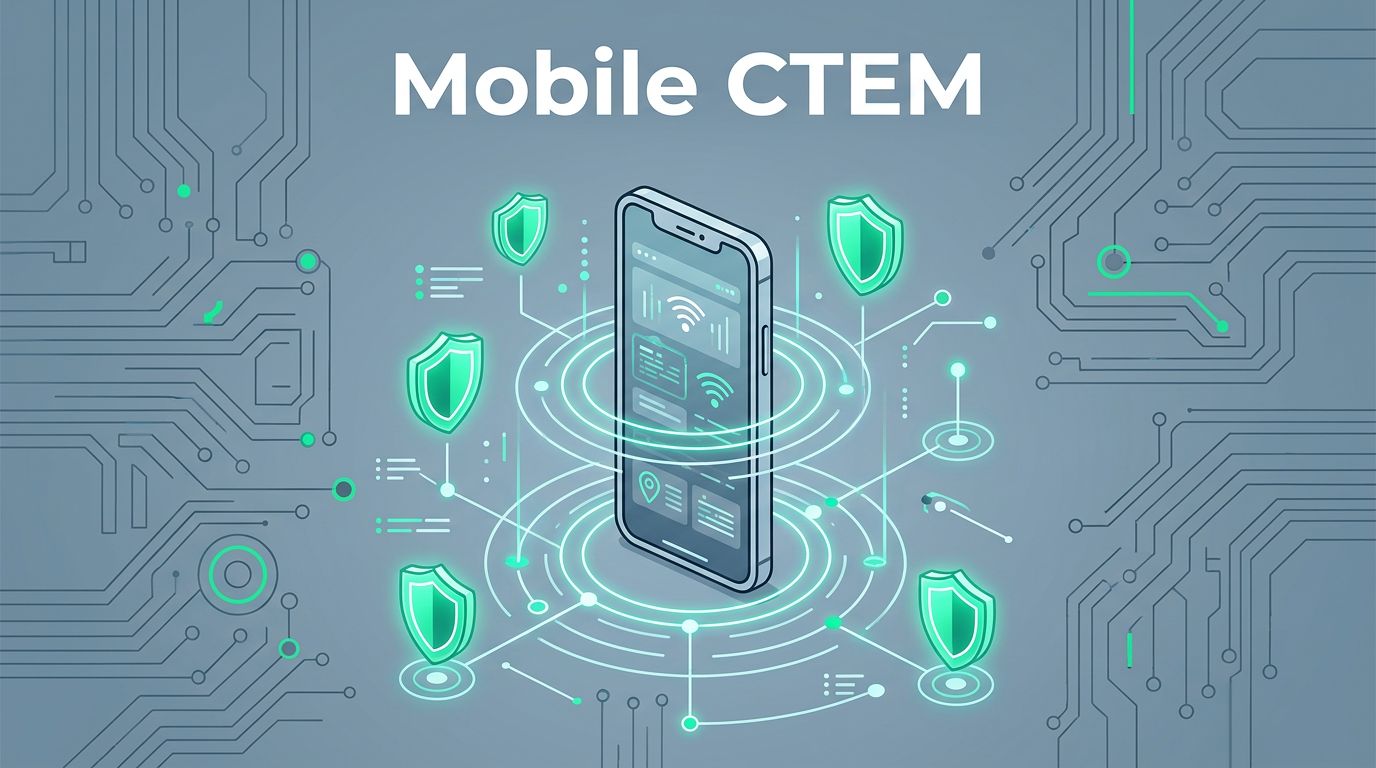
Continuous Threat Exposure Management (CTEM) changes that. It shifts teams from reactive scans to ongoing risk hunts tailored to mobile environments. This approach maps directly to app lifecycles and cuts exploitable gaps.
Let’s break down how CTEM works for mobile security. Start with the core loop and build practical steps.
Understanding CTEM in Mobile Contexts
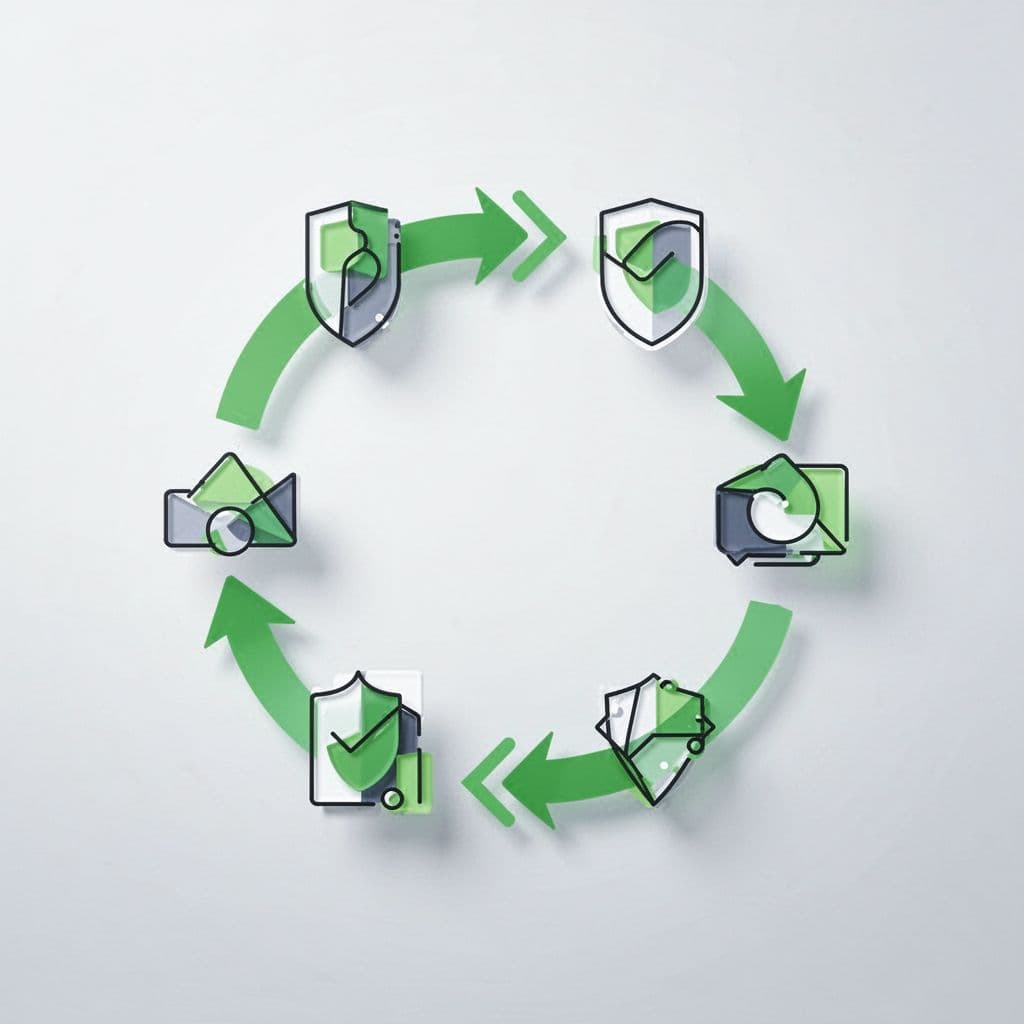
CTEM runs as a repeating cycle: scope assets, discover exposures, prioritize threats, validate fixes, and mobilize teams. For mobile apps, this means watching code, binaries, networks, and devices without pause. Gartner data shows it can slash breach risks by two-thirds when done right.
Mobile adds layers. Apps run on user-controlled hardware. They pull in third-party code and talk to backends over public nets. Traditional pentests miss these dynamics because apps evolve weekly.
Focus on business impact first. Scope your top revenue apps or those with PII. Tools scan binaries for hardcoded secrets or weak crypto. Then prioritize based on exploit paths, not just CVSS scores.
Teams often overlook runtime behaviors. Jailbroken devices bypass checks. CTEM catches that through emulation and real-device tests.
Mapping CTEM Across the Mobile App Lifecycle
Mobile development spans design, code, build, store release, and runtime. CTEM aligns at each stage for full coverage.
In design, scope data flows. Map user inputs to backend calls. Early discovery flags risky permissions like full camera access without need.
During code and CI/CD, automate discovery. Static tools unpack APKs for insecure storage. Dynamic analysis runs in sandboxes to spot API leaks.
Post-release, validate on app stores and devices. Check for pinning bypasses that let MITM attacks steal sessions.
Mobilize with OTA updates or feature flags. Engineering pushes patches fast. Security ops blocks vulnerable versions at gateways.
This lifecycle fit prevents drift. A new SDK slips in? CTEM rescans immediately.
Consider a banking app. Scoping includes login flows and transaction APIs. Discovery finds unencrypted tokens in SharedPreferences. Prioritization jumps it high because it hits finances. Validation confirms exploit code works on iOS 18. Mobilize triggers a hotfix.
Common Mobile App Attack Surfaces and Exposures
Mobile attack surfaces span client code, networks, and backends. Client-side flaws like insecure local storage top the list. Apps save JWTs in plain text files. Attackers dump them with Frida scripts.
Certificate pinning gaps expose traffic. Without it, proxies intercept calls. Reverse engineering risks grow with obfuscation failures. Tools like Ghidra unpack logic fast.
Weak API authorization lets users hit others’ data. Exposed secrets in binaries or configs hand keys to foes. Risky SDKs carry vulns; old Firebase versions leaked storage buckets.
Jailbreak detection bypasses fool runtime checks. Misconfigured backends amplify this; open S3 buckets tied to apps spill data.

These exposures chain together. A pinning bypass leads to API auth theft, then data grab. CTEM discovers them continuously, unlike yearly audits.
For best practices on verification, check the OWASP Mobile Application Security Verification Standard. It outlines controls for these risks.
The Continuous CTEM Loop for Mobile Apps
CTEM’s loop adapts perfectly to mobile speed. Scope narrows to key assets like APKs, IPAs, and APIs.
Discovery hunts exposures. Agentless scanners probe binaries. Runtime monitors catch device-specific issues.
Prioritize by likelihood and impact. An easy root bypass scores higher than a rare crypto flaw.
Validate with simulated attacks. Test if controls block Frida hooks or proxy traffic.
Mobilize pushes remediations. Integrate with Jira for dev tickets.
Risk-Based Prioritization and Validation Tactics
Prioritization beats alert floods. Score exposures on exploit ease and business harm. A local storage leak in a health app ranks critical if it exposes PHI.
Use matrices to plot likelihood against impact. Factor active threats from CISA or exploit-db.
Validation proves reality. Run automated pentests on emulators. Confirm if a pinning gap allows real traffic capture.
For Android, test with Magisk-rooted devices. iOS needs checkra1n checks.
| Factor | Low Risk Example | High Risk Example |
|---|---|---|
| Exploit Ease | Needs custom exploit | Frida script works now |
| Business Impact | UI glitch | Steals payment data |
| Active Threats | No known CVEs | POC on GitHub |
This table shows quick triage. After validation, high quadrant items get same-day fixes.

See the OWASP Mobile Application Security Cheat Sheet for auth validation tips.
Discovery Tools and Continuous Scanning Practices
Pick tools that fit mobile pipelines. Static analyzers like MobSF unpack apps free. Commercial ones from Veracode or Checkmarx integrate with GitHub Actions.
Dynamic tools like NowSecure test runtime. They hook into CI/CD for every build.
Scan third-party SDKs with dependency checkers. Flag outdated versions with known vulns.
Run daily external scans on app stores. Check for leaked APKs or metadata slips.
Combine with threat intel. Feed MITRE ATT&CK mobile tactics into prioritizers.
Start small. Scope three apps. Run weekly scans. Scale as teams adapt.
Mobilizing Teams for Remediation and Collaboration
Mobilization turns findings into code. Alert AppSec to Slack. Auto-create PRs for common fixes like storage encryption.
Bridge teams. AppSec owns discovery. Engineering handles code. SecOps gates releases.
Hold weekly triage calls. Review top risks. Assign owners with SLAs: critical in 24 hours.
For backends, sync with cloud teams. Fix misconfigs like open APIs.
Use dashboards for visibility. Track mean time to remediate.
The OWASP MASVS Guide for 2026 details quarterly reviews that fit this flow.
Foster culture. Train devs on mobile pitfalls. Run red-blue exercises.
If gaps persist, Book a Discovery Call with Bud Consulting. They specialize in AppSec talent and CTEM setups.
Measuring Success and Iterating CTEM Efforts
Track metrics like exposure count drop or validation pass rates. Aim for 90% high risks fixed weekly.
Audit reductions in chained attacks. Fewer storage-to-API paths mean wins.
Iterate the loop. Monthly scope reviews add new features.
In 2026, regs like updated PCI push CTEM. Mobile teams comply easier with automation.
Real example: A fintech firm cut critical exposures 70% in six months. They scoped 10 apps, automated discovery in Jenkins, and validated with NowSecure.
Conclusion
CTEM shrinks mobile app attack surfaces through constant scoping, discovery, prioritization, validation, and mobilization. Focus on runtime risks and team collaboration yields fast wins.
High-impact flaws like storage leaks or pinning gaps get fixed first. This loop fits app lifecycles perfectly.
Apply it now. Pick one app. Run a scan today. Your defenses strengthen with each cycle.