table of contents
When your network spans data centers, cloud apps, remote users, and managed services, weak architecture shows up fast. Firewalls, segmentation, remote access, and identity rules stop working as separate projects, because they all touch the same traffic paths.
A network security architecture consultant helps you see those paths clearly, then shape controls around real business needs. That matters when you’re planning zero trust, cleaning up legacy rules, or preparing for an audit.
The right hire should give you a practical plan, not a pile of diagrams. Start with the work they should own.
What the consultant should own
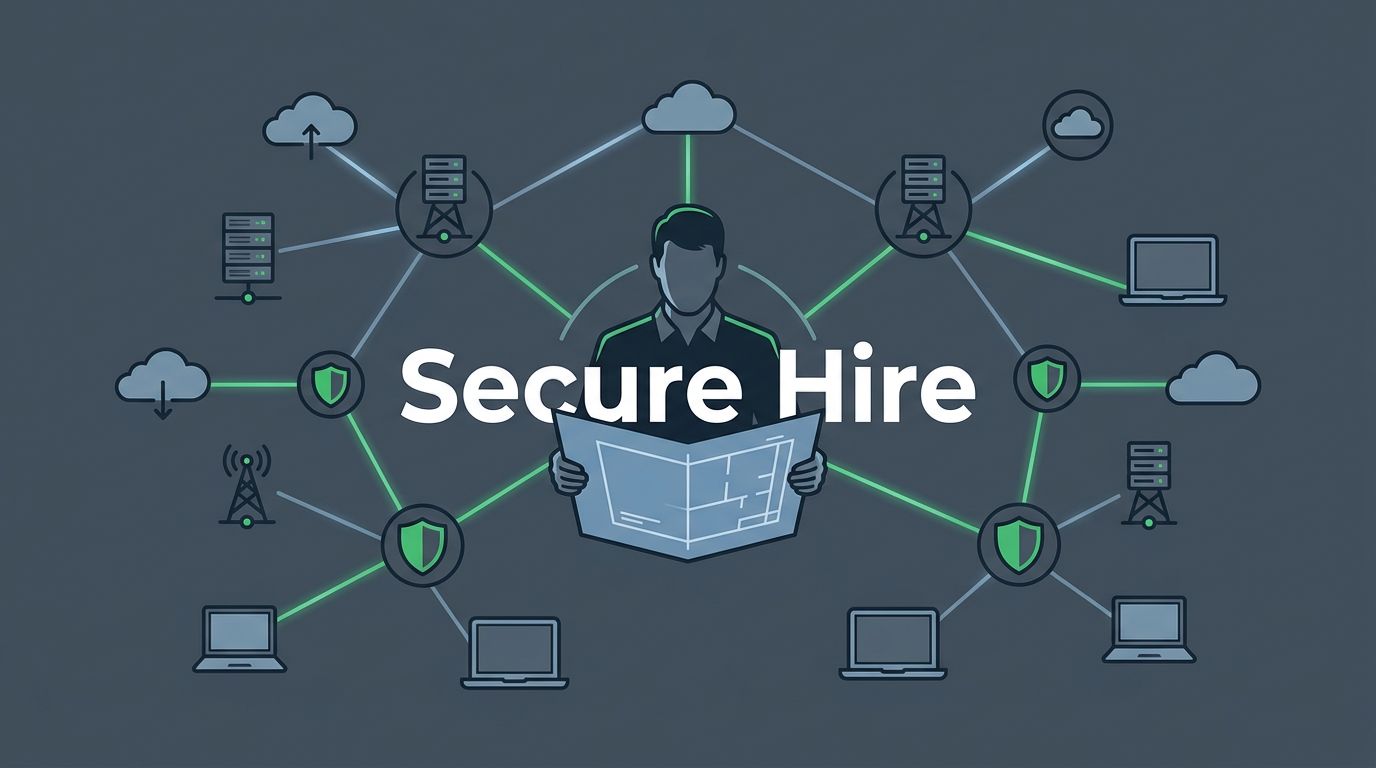
A strong consultant looks at the full path of traffic and trust. That includes on-prem networks, cloud platforms, and hybrid links between them. Their job is to map how users, apps, devices, and third parties connect, then point out where risk hides.
In practice, this means more than reviewing firewall rules. It means checking how identity, segmentation, logging, and access policies fit together. It also means making sure your design matches how teams actually work.
In 2026, many projects focus on zero trust, cloud visibility, identity control, and continuous testing. That matches what many teams now need from outside help. For a broader view of how firms package this work, security architecture consulting services gives a useful reference point.
Good architecture work changes decisions, not just diagrams.
A consultant should translate business goals into network controls. If they cannot explain trade-offs in plain language, the fit is weak.

Projects that justify the hire
Some problems are too broad for a single admin ticket. They need architecture work across teams, tools, and business units. A consultant is a good fit when the project affects more than one environment or more than one policy layer.
Common projects include:
- Network segmentation, when flat networks need clean trust zones and better control.
- Zero-trust architecture, when access must depend on identity, device, and context.
- Firewall and NAC redesign, when old rules, stale groups, and messy exceptions slow you down.
- Secure remote access, when VPN, SSO, and device checks need a better fit.
- M&A integration, when two networks must merge without breaking security or operations.
- Compliance preparation, when you need architecture evidence for audits, regulators, or customer reviews.
- Post-incident architecture reviews, when an event exposed gaps in access, trust, or monitoring.
A consultant does not need to own every rollout task. Still, they should define the target design and the order of work. That keeps tools, policies, and rollout plans aligned.

How to evaluate candidates
A good interview should test judgment, not jargon. You want someone who can explain why a design works, where it breaks, and how it will fit your team.
Use this checklist during your review:
- Ask for a recent example across on-prem, cloud, and hybrid systems.
- Look for clear work on segmentation, identity, and access paths.
- Check whether they can design around business units, not just tools.
- Ask how they handle firewall and NAC cleanup.
- Find out how they approach remote access for employees and vendors.
- Ask how they document decisions for auditors and internal teams.
- Review how they work with security operations, infrastructure, and app owners.
You should also ask for a simple design walkthrough. If they can’t explain the trade-offs in one meeting, that is a warning sign.
For hiring teams that want a sense of how senior searches are framed, hire security architects shows the kind of scope many firms expect from this role.

Cost, timeline, and how the engagement starts
Cost depends on scope, environment count, and how much hands-on design you need. A short assessment costs less than a full redesign, and a single-site review costs less than a hybrid program with many owners.
Timeline follows the same pattern. A focused review may take days or a few weeks. A larger architecture program can take longer, especially when change windows are tight or multiple teams must agree.
The cleanest starts usually begin with three things: your current network map, your main risks, and the business deadlines that matter most. From there, the consultant can define the first phase, the decision points, and the handoffs.
If you already know the gaps and want a structured starting point, Book a Discovery Call with Bud Consulting is a practical next step.
FAQ
How much does a network security architecture consultant cost?
Pricing varies by scope, seniority, and duration. A review of one environment is different from a multi-site redesign or an M&A project. Ask for a clear statement of work and expected outputs before you compare rates.
How long does a typical engagement take?
That depends on the goal. A focused assessment may finish in days or weeks. A redesign that touches segmentation, remote access, and identity usually takes longer because each piece affects the others.
What certifications matter most?
Certifications help, but they do not replace experience. Look for proof of work in network design, cloud security, and identity-aware controls. CISSP, CCNP Security, cloud security certs, and vendor-specific network credentials can help, but the project history matters more.
Can a consultant work with internal IT teams or managed providers?
Yes, and they should. The best consultants align with internal IT, cloud, security, and managed service teams. They define the architecture, then help each party build within it without creating new silos.
A strong hire makes hard decisions easier. The value is in cleaner trust paths, better priorities, and a design your teams can live with.
When you hire a network security architecture consultant, you’re buying more than advice. You’re buying a clearer map of how your network should work, across on-prem, cloud, and hybrid systems.