table of contents
New managers inherit more than schedules and performance goals. They also inherit the habits that shape everyday risk.
That matters in 2026, because many security problems still start with people. Recent data points to human error in most breaches, from phishing clicks to access mistakes. New manager security training gives leaders a clear way to reduce those mistakes without slowing the team down.
The goal is simple. New managers should know what to watch for, what to say, and when to escalate. The best programs make security part of normal management, not a side task.
Build the security baseline before the first team meeting
A new manager should not learn security rules by accident. Their onboarding needs to cover the moments when small decisions turn into risk.
Start with the practical basics. Show them how your company handles access, devices, files, remote work, and sensitive data. Then explain who owns each step. If the manager approves access, say so. If IT handles device issues, make that clear too.
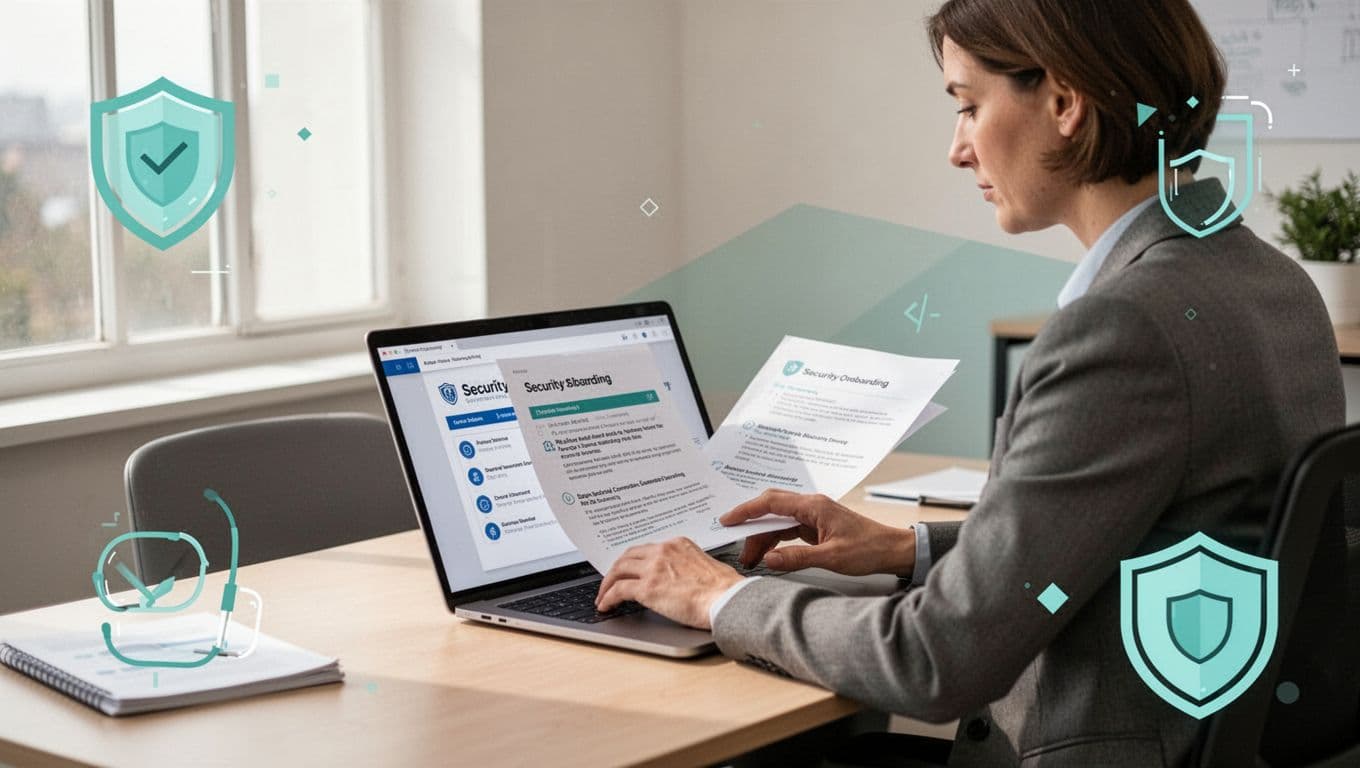
A strong onboarding module should cover:
- how to spot phishing, fake invoice requests, and odd login prompts
- how to protect customer, employee, and financial data
- what to do when someone loses a laptop or shares the wrong file
- how to handle onboarding, offboarding, and role changes
Keep it short and role-based. Managers do not need deep technical detail. They need enough context to make safe calls fast. That is the point of manager security responsibilities.
It also helps to tie the training to leadership expectations. If a manager can approve vacation but cannot approve a risky access request, the limits should be spelled out. Cross-functional alignment with IT, security, and HR makes those lines easier to follow.
For a broader view of how organizations structure manager learning, see new manager training in 2026. The best programs treat security as part of leadership readiness, not a separate add-on.
Give managers language they can use every week
Training works better when managers have simple talking points. Otherwise, security becomes something they mention once, then forget.
Use short scripts for one-on-ones, team meetings, and project check-ins. For example, a manager can say, “If something looks off, report it right away. We would rather review a false alarm than miss a real issue.” That keeps the message calm and direct.
Managers should also know how to balance speed with caution. When deadlines are tight, they may feel pressure to skip steps. Your training should give them a better habit. They can ask, “Do we have the right access?” or “Has this file been shared with the right group?” Those questions save time later.
A useful cadence is a five-minute security check during regular meetings. It can cover:
- recent phishing examples
- access changes for new hires or promotions
- safe use of approved tools
- reminders about sensitive data and public spaces
That rhythm works best when security sits inside broader new manager training in 2026, because managers are more likely to use it when it feels like part of the job.
If a manager cannot explain how to report a suspected issue in 30 seconds, the process is too hard.
Practice incidents before they happen
When something goes wrong, managers set the tone. If they hesitate, teams hesitate too.
Tabletop exercises help them rehearse the response. Keep the scenarios realistic. A lost phone, a phishing email sent to the wrong person, or a suspicious cloud permission change is enough. The goal is not to test technical skill. The goal is to test judgment, communication, and escalation.

During the exercise, ask managers to name the first call, the first message, and the first action. They should know when to contact IT, when to notify security, and when HR needs to join the conversation. That matters for privacy issues, insider risk, and employee conduct concerns.
A concise checklist for the first 30 days can keep the training grounded:
- confirm who handles phishing, device loss, and access requests
- review the escalation path for low, medium, and high-risk incidents
- schedule one security check-in with the team each month
- verify that access gets reviewed after hiring or role changes
- run one tabletop exercise each quarter
This kind of practice fits current 2026 threats. AI-written phishing, identity abuse, and cloud access mistakes move fast. Managers do not need to stop those threats alone. They need a clear route to the right people. For a helpful model of regular training cadence, compare your plan with how to train employees on cybersecurity in 2026.
Avoid the gaps that weaken manager training
Some programs fail because they treat security like a one-time lesson. Others bury managers under policy language that no one remembers.
A few common mistakes stand out:
- one-and-done training with no refreshers
- no clear owner for escalation decisions
- too much technical detail, not enough daily guidance
- no involvement from HR during people-related incidents
- no follow-up after the manager has been in role for a few months
The fix is usually simple. Keep the material short, role-based, and repeatable. Make the rules easy to use in a busy week. Then review them after a real incident or policy change.
If your organization wants help shaping a manager program that supports culture, compliance, and human risk reduction, Book a Discovery Call with Bud Consulting.
New managers do not need to become security experts. They need enough skill to model good habits, spot trouble early, and raise issues fast. When that happens, security feels less like a burden and more like part of sound leadership.
That is what strong new manager security training really delivers, fewer surprises, better habits, and a team that knows what to do when something feels off.