table of contents
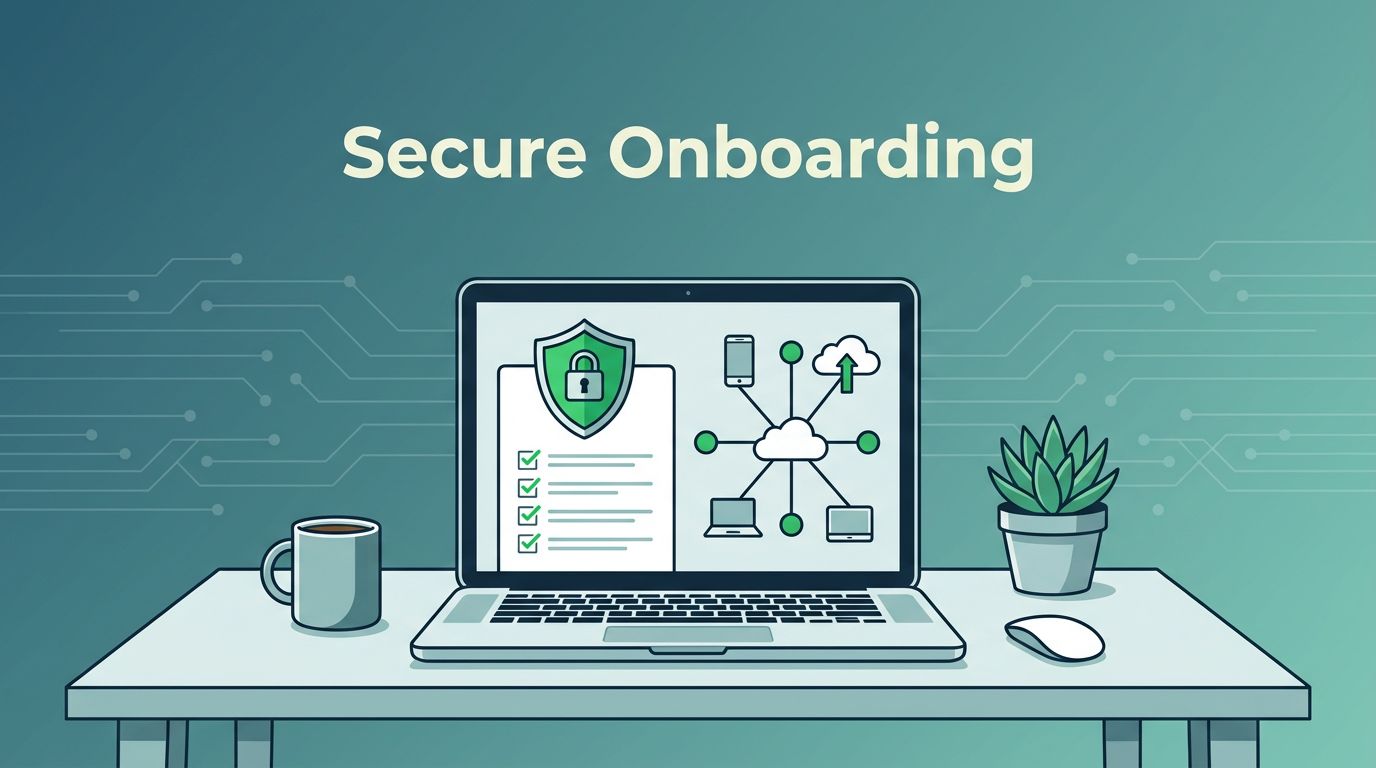
Hiring a cybersecurity consultant fills critical gaps fast. You face skills shortages, with millions of open roles in cloud security and AI threats. A smooth onboard cybersecurity consultant process gets them productive in days. This guide walks you through secure steps tailored for 2026 threats.
Follow these practices to build trust, limit risks, and drive quick wins. You’ll cover prep work, access setup, alignment, and more.
Prepare Your Team and Documentation Before Day One
Start strong by gathering key items. Your internal team needs a clear plan. Assign a point person, like an IT manager, to lead.
List assets first: servers, cloud accounts, SaaS apps, and users. Note owners for each. This inventory helps the consultant assess risks right away.
Create a shared folder with policies, recent audits, and incident logs. Include compliance docs like GDPR checklists. Update network diagrams too.
Checklists speed things up. Here’s a simple one:
- Review contract scope and deliverables.
- Map current tools (SIEM, firewalls, EDR).
- Schedule intro calls with leaders.
- Prepare hardware or VPN details.
Teams that prep this way cut setup time by half. For example, one firm shared their asset list pre-start, so the consultant ran a risk scan on day two.

Prep builds confidence. Next, focus on access.
Set Up Secure, Least-Privilege Access from the Start
Security starts with controlled entry. Grant only what the consultant needs for their role. This principle limits damage if credentials leak.
Roll out phishing-resistant MFA first. Set up a dedicated account with time-bound admin rights. Use tools like Okta or Azure AD for IAM.
Enable VPN with split tunneling off. Provide read-only shares for sensitive data. Test logins before day one.
In 2026, AI threats demand tight controls. Consultants handle identity attacks, so train them on your zero-trust setup.
Common setup steps include:
- Create user in Active Directory.
- Assign groups for email and tools.
- Revoke access on contract end (automate if possible).
One MSP used this partner onboarding checklist to enforce MFA and privileges. It worked well for quick ramps.

Secure access protects everyone. Now align your people.
Align Stakeholders for Maximum Impact
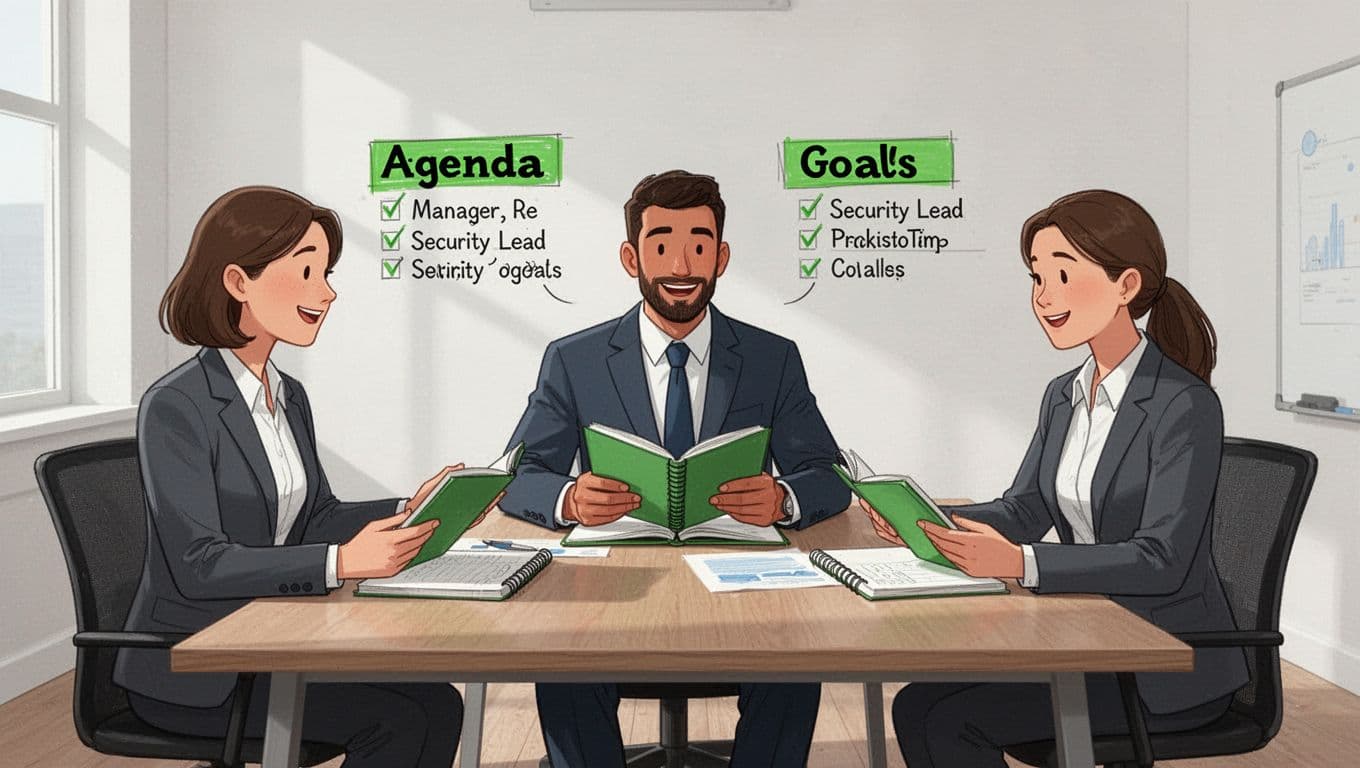
Bring leaders together early. IT, ops, and execs must agree on goals. This step ensures the consultant delivers value fast.
Hold a kickoff meeting week one. Share business priorities like compliance or cloud migration. Ask what risks worry them most.
Define success metrics: patch times, detection speed, or audit scores. Set weekly check-ins to track progress.
For instance, align on third-party risks. The consultant can audit vendors while you handle internals.
Clear alignment turns consultants into extensions of your team.
See HackTheBox’s blueprint for onboarding cybersecurity pros for meeting agendas that work.
Alignment prevents missteps. It also differs from employee hires.
Consultant Onboarding vs. Full-Time Employee: Key Differences
Consultants work short-term, so processes stay lean. Employees get full cultural immersion; consultants focus on deliverables.
Skip long orientations. Give project briefs instead of company history. Employees join benefits and teams permanently; consultants use temp access.
Revoke privileges fast for consultants. Full-timers build ongoing access. Track billable hours too, unlike salaries.
| Aspect | Consultant | Full-Time Employee |
|---|---|---|
| Access | Least-privilege, time-bound | Progressive, permanent |
| Training | Project-specific | Full security culture |
| Offboarding | Immediate revocation | Phased handover |
| Metrics | Deliverables, quick wins | Long-term growth |
This table shows why consultants ramp faster with targeted steps.
Run These Essential Onboarding Tasks with Examples
Use this checklist for day-to-day actions. Tailor to your setup.
- Day 1: Welcome call, tool walkthrough, initial asset review.
- Day 2-3: Joint risk assessment; test backups and patches.
- Week 1: Shadow sessions on incidents; train on AI threats.
- Ongoing: Weekly metrics review; quarterly AI/blockchain updates.
For example, task a consultant with mapping your attack surface using automated tools. They validate defenses against ransomware chains.
Follow Cyber Husky’s MSP checklist for similar tasks. It covers policy governance well.
These tasks help consultants shine amid 2026’s skills gaps.
Onboard right, and your consultant strengthens defenses fast. Start with prep and secure access to minimize risks. Measure progress weekly for adjustments.
Ready to hire top talent? Book a Discovery Call with Bud Consulting to source vetted experts.
What onboarding step trips you up most? Share below.