table of contents
The wrong OT security hire can create downtime while trying to reduce risk. That matters because plant floors, utilities, and control rooms run on tight schedules, old equipment, and safety rules that don’t forgive sloppy changes. A strong operational technology security consultant understands that balance and knows how to protect it.
You need more than a cyber generalist with a polished slide deck. You need someone who can work around production windows, legacy PLCs, vendor access, and real-world change control. The best consultants make a plant safer without treating uptime like an afterthought.
What an OT security consultant should actually handle
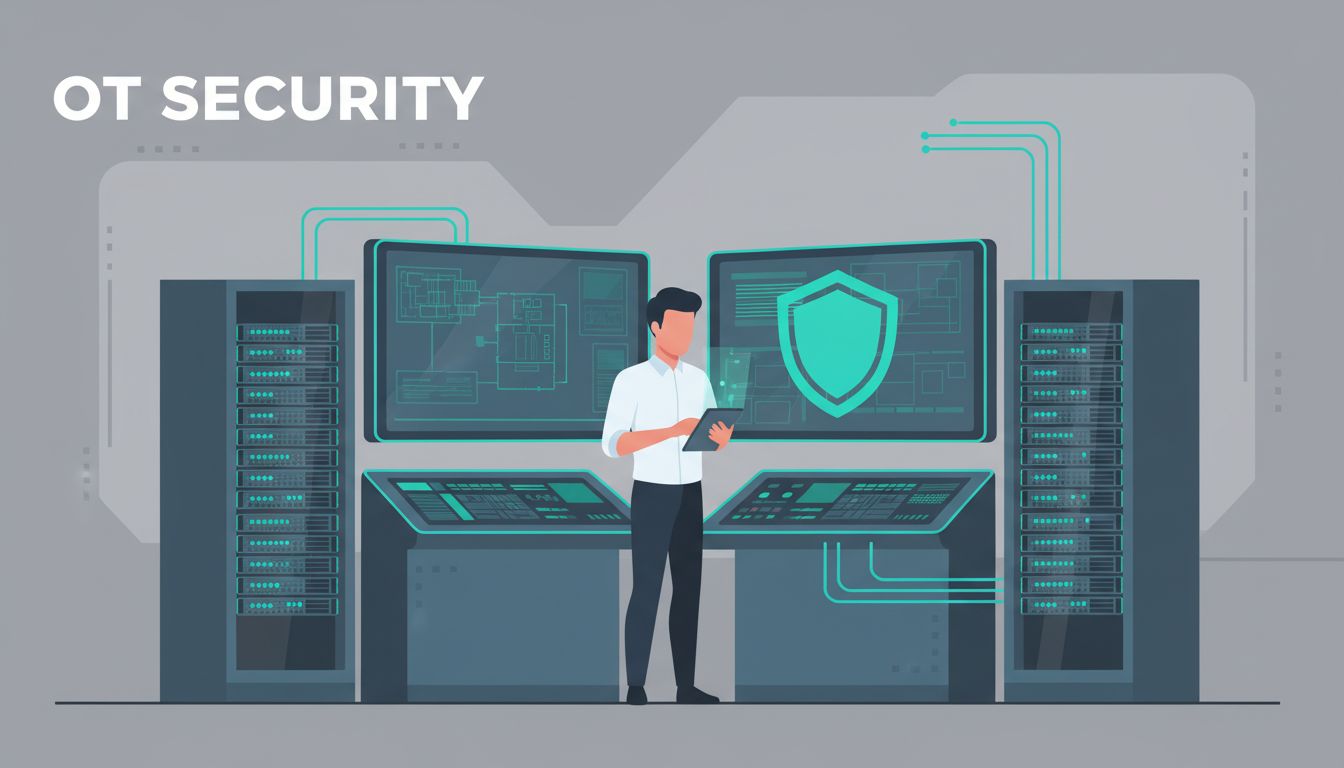
OT and ICS work is different because the systems are tied to physical processes. A consultant in this space has to think about safety, reliability, and controllability as much as confidentiality. That is close to how the NICE OT cybersecurity work role frames the job.
A solid consultant should map assets, spot weak points in segmentation, review remote access, and help operations teams keep changes under control. They should also know how to speak with maintenance leads, plant managers, OEMs, and security staff without creating confusion.
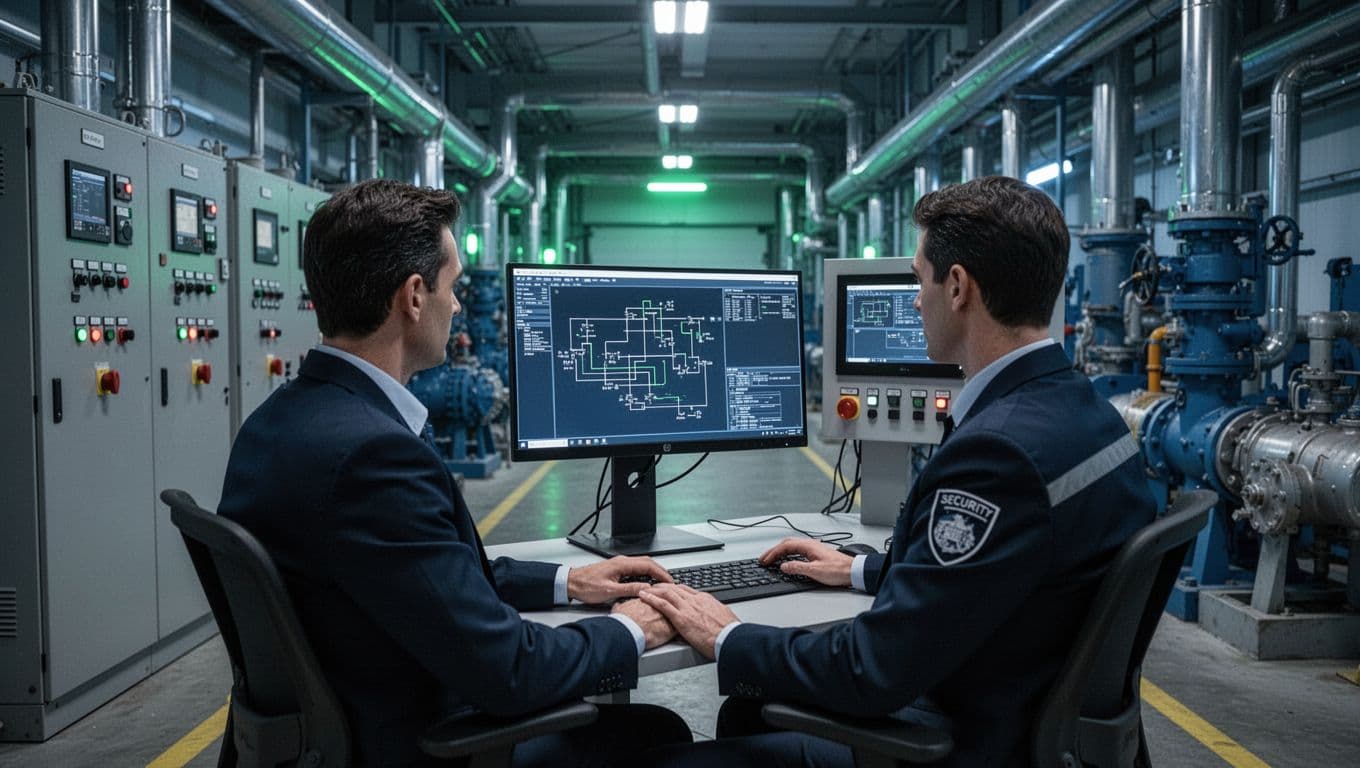
Recent April 2026 reporting on exposed PLCs and malware aimed at water plants makes this even more urgent. OT threats now reach through vendor tools, remote connections, and poor segmentation. That means the consultant you hire should know how attacks enter, not just how to write policies. For current threat context, see Dragos’ 2026 OT threat insights.
When hiring one makes sense
Some organizations wait until a breach forces the issue. That usually costs more than the consulting fee. Hiring makes sense when operations need outside help to reduce risk without adding internal headcount.
Common triggers include:
- A plant expansion, acquisition, or retrofit changed the OT network.
- Remote access grew fast, but no one owns the rules.
- Legacy systems still run production, yet nobody has a clear asset list.
- Audit findings keep coming back with the same OT gaps.
- Vendors, integrators, and maintenance teams all use different access methods.
Those are signs that your environment needs a specialist, not a general review. The right consultant can turn a messy setup into a prioritized plan that operations can live with.
If a candidate talks a lot about scans and hardly mentions uptime, keep looking.
Compare consultants on what they can do, not what they claim
A title alone won’t tell you whether a consultant can survive on a plant floor. Use a shortlist that checks judgment, not just certifications. Research on OT hiring expectations shows employers want people who can connect technical work to real operations, not just recite tools and acronyms. The OT workforce hiring study is useful background if you need to justify that point internally.
The table below gives a simple way to compare candidates.
| What to check | Strong signal | Red flag |
|---|---|---|
| Plant-floor experience | They’ve worked with PLCs, SCADA, DCS, historians, or engineering workstations | They only know office IT environments |
| Segmentation knowledge | They can explain zones, conduits, and safe access paths in plain language | They talk about “best practices” without a design |
| Remote access control | They can describe vendor access, jump hosts, MFA, and approval flow | They accept shared logins or ad hoc VPN use |
| Incident readiness | They’ve helped build OT playbooks and recovery steps | They treat response like a generic IT ticket |
| Change management | They respect maintenance windows and rollback needs | They push fast fixes without operations input |
The takeaway is simple. A good OT consultant knows how to reduce risk without forcing a plant to relearn how it works. That matters more than a long list of certs.
Interview questions that expose real OT judgment
A short, practical interview beats a long, polished presentation. Ask questions that force the consultant to talk through tradeoffs, because OT work is full of them.
Try these:
- How would you segment a production line from the business network without disrupting operations?
- What would you do if a vendor needed remote access during a shutdown window?
- How do you verify backup and restore for PLCs, engineering stations, and historians?
- Which risks do you fix first when uptime and safety are both on the line?
- How do you handle a site with mixed old and new equipment?
The best answers sound calm and specific. They mention asset discovery, maintenance windows, plant ownership, and fallback plans. If the response stays high-level, the consultant may be stronger in IT than OT.
Set the engagement up so it produces useful work
Hiring the right person is only half the job. The engagement needs clear inputs, access, and a finish line. Otherwise, the consultant leaves behind a nice report and no change.
Start with these three steps:
- Give them a current asset inventory, network diagram, and change calendar.
- Tie them to operations, maintenance, IT, and key vendors from day one.
- Define deliverables such as a risk register, segmentation plan, remote access standard, and incident playbook.
That structure helps the consultant move fast without guessing. It also gives you a clear way to measure value. If the work produces better access control, cleaner segmentation, and a response plan the plant can use, the engagement is doing its job.
For organizations that need help finding and vetting senior OT talent, Book a Discovery Call with Bud Consulting.
The best hire protects the plant and the schedule
OT security now sits close to safety, uptime, and vendor control. That’s why the consultant you hire should understand the plant floor first and the cyber controls second, while still knowing how they fit together.
If they can explain segmentation, remote access, incident readiness, and maintenance constraints in plain language, you’re on the right track. If they can’t, the risk is already in the room.