table of contents
You face a tough choice. Your web apps or cloud setup need a solid security check, but picking the wrong team could leave gaps wide open. Penetration testing agencies deliver expert eyes on your vulnerabilities, yet not all match your needs.
In 2026, breaches hit harder with AI-driven attacks rising. Security leaders like you want agencies that spot real risks, explain them clearly, and help fix them fast. This guide breaks down what matters, profiles top picks, and gives you tools to decide.
Let’s start with the must-have criteria.
Key Criteria for Choosing the Right Agency
Focus on service scope first. Does the agency cover web apps, APIs, cloud infrastructure, networks, mobile, or even IoT? Top firms handle multiple areas, so your full stack gets tested.
Industry specialization counts too. Banks need PCI DSS pros; healthcare picks HIPAA experts. Agencies like those strong in finance offer tailored threats, because generic tests miss sector-specific tricks.
Testing methodology sets them apart. Look for manual exploits plus automated scans, not just tools like Nessus. Real pentesters chain vulnerabilities, mimicking attackers.
Reporting quality makes fixes easy. Good reports rank risks by business impact, include proof-of-concept code, and suggest remediations. Poor ones bury you in jargon.
Remediation support helps most. Some agencies retest for free after patches. Others provide ongoing advice.
Certifications build trust. CREST, OSCP, or GIAC creds mean skilled teams. Compliance knowledge covers SOC 2, GDPR, or FedRAMP.
Communication matters during the test. Weekly updates prevent surprises. Turnaround time fits your deadlines; enterprises want two weeks, startups need faster.
Geographic coverage aids global teams. US-based for FedRAMP? Or worldwide for multinationals?
Pricing transparency avoids sticker shock. Fixed scopes beat hourly rates.

Your team might review reports like this. Strong agencies make that process straightforward.
Agency vs. Freelancer or In-House: When to Pick Each
Agencies shine for complex needs. They bring diverse experts, so one pentester’s blind spot gets covered by the team. Scale matters too; enterprises test quarterly across assets.
Freelancers work for quick jobs, like a single API. They’re cheaper and faster, but lack depth on big networks. No retesting guarantee either.
In-house teams suit constant testing. You control pace and culture fit. However, hiring OSCP pros costs high, and turnover hits hard.
Choose agencies when compliance demands audits, or your attack surface spans cloud and on-prem. For startups, blend with freelancers to save cash. In short, agencies offer reliability for high-stakes work.
Top Penetration Testing Agencies in 2026
Several stand out this year. Recent reviews highlight their strengths in scope and results. For example, DeepStrike’s 2026 procurement analysis names leaders by buyer type.
BreachLock leads with AI scans plus manual validation. Ideal for mid-sized firms needing web, mobile, and cloud tests. Strengths include 30,000+ assessments, clear reports, and clients like BOSCH. Retesting comes free. Limitation: Less focus on niche hardware.
Cobalt fits SMBs with crowd-sourced PTaaS. Perfect for fast web app or API checks. It pulls vetted hackers for broad coverage, offers real-time collaboration. Reports prioritize fixes. Downside: Crowd model varies quality slightly.
NetSPI suits enterprises, especially banks. Full scope covers networks to blockchain, with easy remediation tools. Big US clients trust their scale. They excel in compliance like PCI. But pricing runs premium.
ScienceSoft handles wide tests, from IoT to healthcare HIPAA. Good for diverse industries. Certified teams deliver solid methodology. Clients praise value. Watch for slower turnaround on huge scopes.
Bishop Fox targets tough setups like custom IoT. Research-driven, they chain exploits deeply. Strong for tech firms. Reports shine on business risk. Higher cost limits smaller budgets.
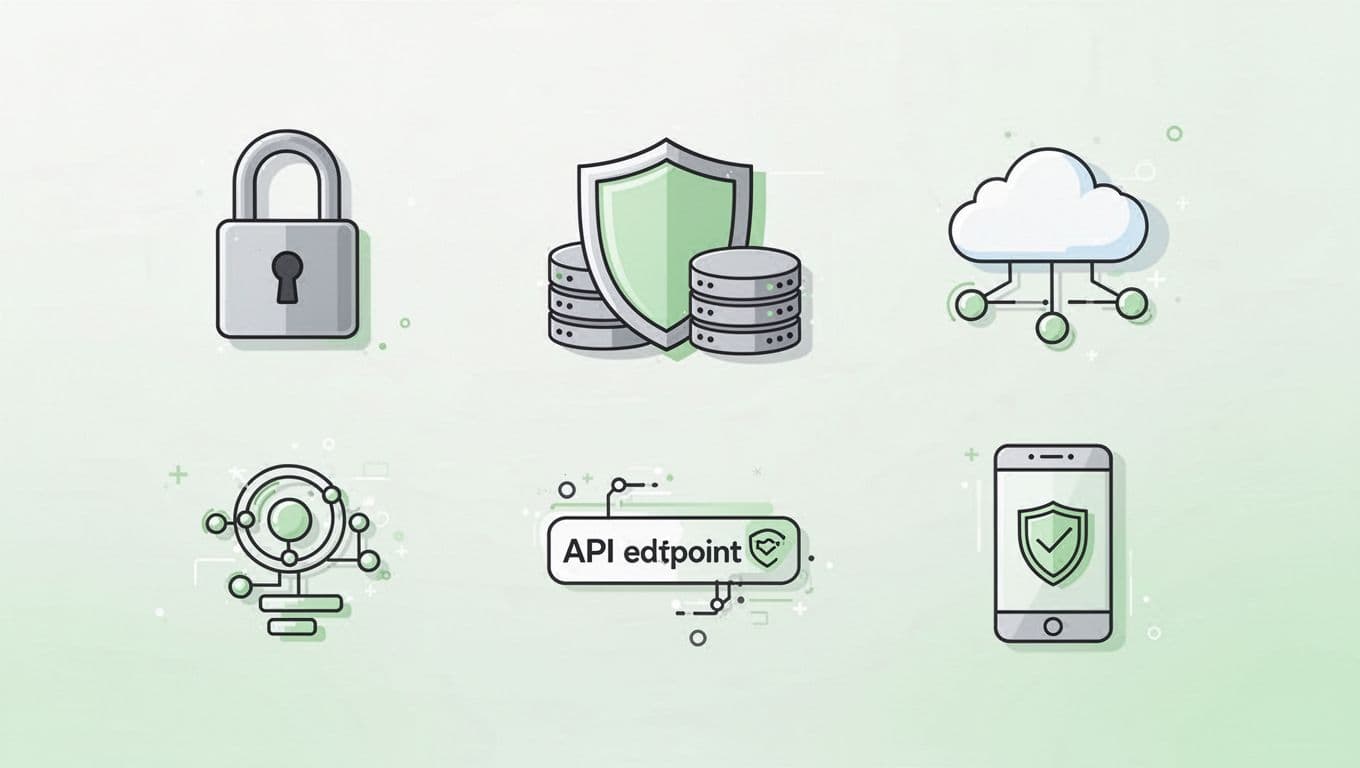
These icons show common scopes. Agencies like the ones above cover them well.
Check Astra’s top 10 list for more comparisons.
Your Vendor Selection Checklist
Use this to vet options. It streamlines your process.
| Criterion | Key Questions |
|---|---|
| Service Scope | Do they test your assets (web, cloud, API)? |
| Methodology | Manual + automated? Exploit chaining? |
| Reporting | Risk-ranked? Remediations included? |
| Certifications | OSCP, CREST, compliance audits? |
| Support | Retesting? Ongoing advice? |
| Communication | Updates? Clear timelines? |
| Pricing | Transparent quotes? Value for scope? |
Score agencies on each. Top scorers win.

Tick off these items as you evaluate.
Final Thoughts
Strong penetration testing agencies like BreachLock or Cobalt fix real risks without fluff. Match your needs to their strengths, use the checklist, and demand transparency.
Ready to strengthen your team? Book a Discovery Call with Bud Consulting for vetted pentester hires.
Which agency fits your setup best? Test one soon.