table of contents
Most employees don’t ignore phishing tests because they dislike security. They tune them out because too many programs feel fake, random, or built to catch them out.
That approach breaks fast. Recent 2026 reporting shows the median user can click a bad link in about 21 seconds, and may enter data in under 30. The best phishing simulation programs work with real habits, real pressure, and real learning. That’s the standard worth aiming for.
Why bad simulations lose attention and trust
Generic simulations teach the wrong lesson. If every fake email has broken grammar, odd branding, and an obvious link, employees learn to spot training bait, not real attacks. Meanwhile, attackers now use cleaner copy, QR codes, text messages, voice notes, and AI-written requests.
Timing also matters. A payroll lure sent during year-end close may be realistic, but it can still backfire if the only outcome is blame. People under load make faster choices. Training should reflect pressure without turning normal work stress into a punishment event.
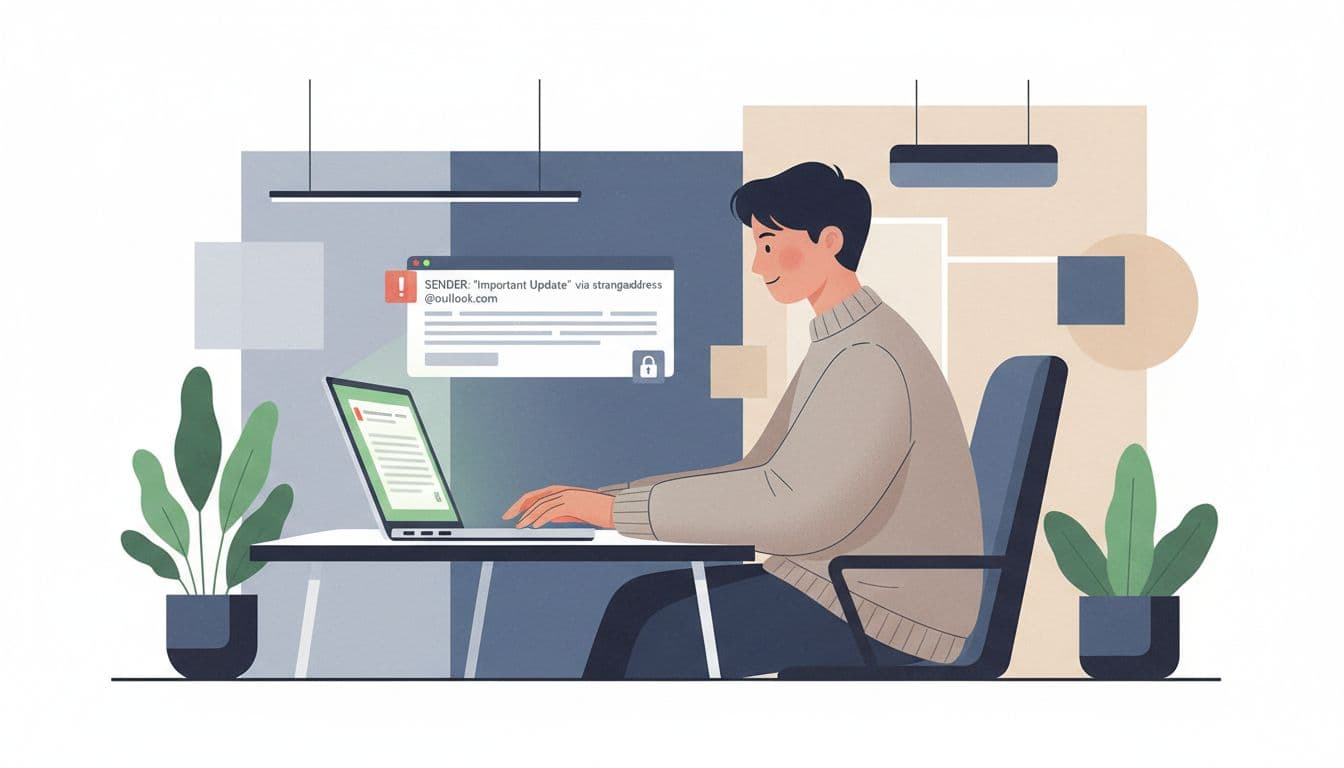
If a simulation feels like a trap, employees stop reporting and start hiding mistakes.
That is why the better programs explain the purpose up front. They tell staff what is being measured, what happens after a click, and why a first miss leads to coaching, not punishment. A useful model appears in AwareGO’s human-centric guide to simulation, which pushes coaching over shame.
Participation rises when leaders avoid public callouts, manager scolding, and one-size-fits-all campaigns. Finance teams face invoice fraud. HR teams see benefits and applicant lures. Executives deal with business email compromise. When the message matches the role, people pay attention because the risk feels familiar.
Communication matters before the first test. Tell managers how the campaign works, give employees an easy report button, and share aggregate results later. People engage more when they can see progress instead of mystery.
What effective phishing simulation programs do differently in 2026
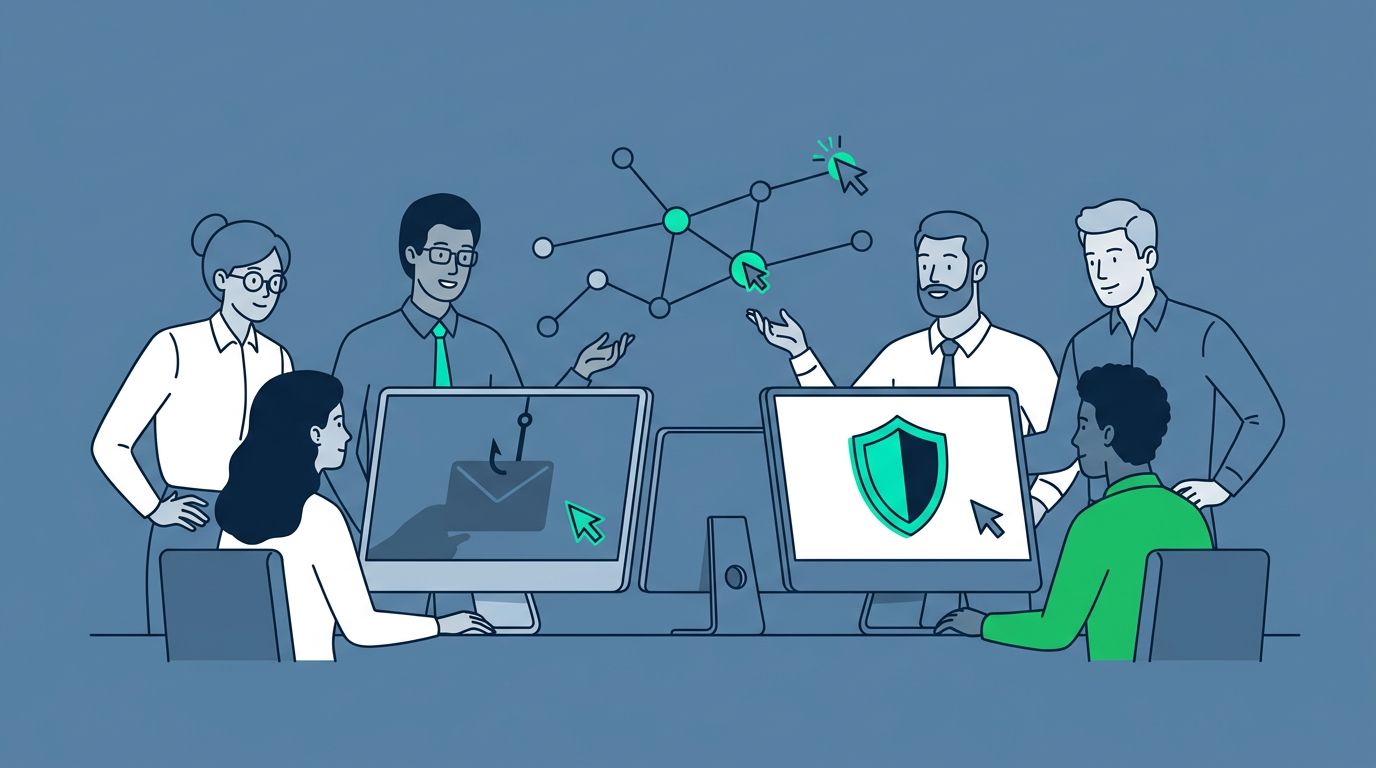
Strong programs feel less like surprise exams and more like fire drills. They are relevant, short, and repeated often enough to build memory. They also use basic behavioral design, clear prompts, instant feedback, and small rewards for the safe action.
When someone reports several simulations correctly, the next one should be harder. When someone clicks twice in a month, the next lesson should be easier and faster, not heavier.
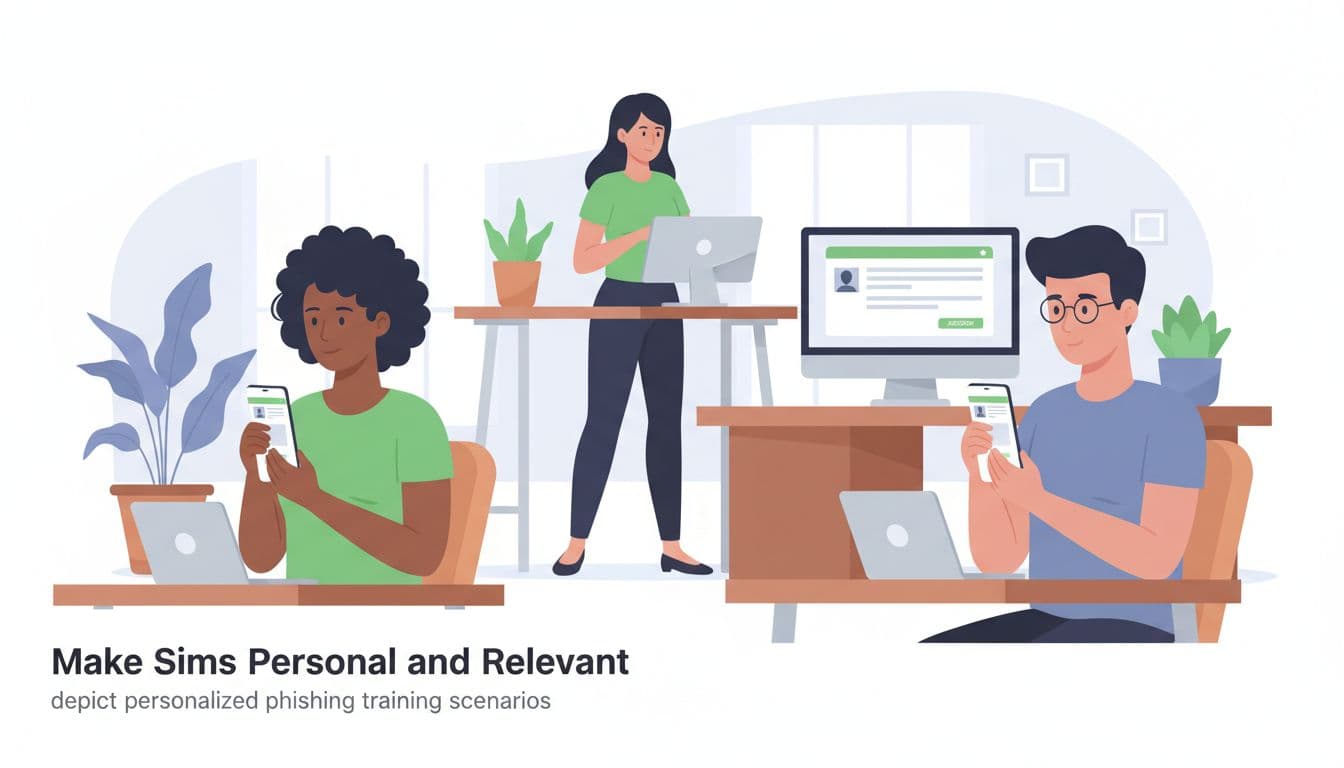
That mix of personalization and adaptive difficulty is now a baseline. Recent industry reporting suggests regular simulations paired with instant coaching can cut human risk by more than 40 percent in 90 days, and far more over a year. Guidance like Hoxhunt’s phishing simulation best-practice playbook makes the same point, behavior change beats vanity testing.
Examples that feel real without creating resentment
A good simulation mirrors daily work. For a finance analyst, that might be a supplier bank-change request near month-end. After a click, the user gets a 60-second lesson on approval workflow and out-of-band verification. The lesson fits the error, so it sticks.
For sales teams, a fake shared-doc invitation before a trade event works well. The follow-up should explain three simple checks, sender context, link destination, and pressure language. No lecture, no ten-minute video. That’s microlearning done right.
Senior staff need different scenarios. A multi-step test, such as a text message followed by a calendar invite or voice note, reflects how modern attacks land. Realistic phishing simulations in 2026 now use that kind of channel mix because email-only training misses too much.
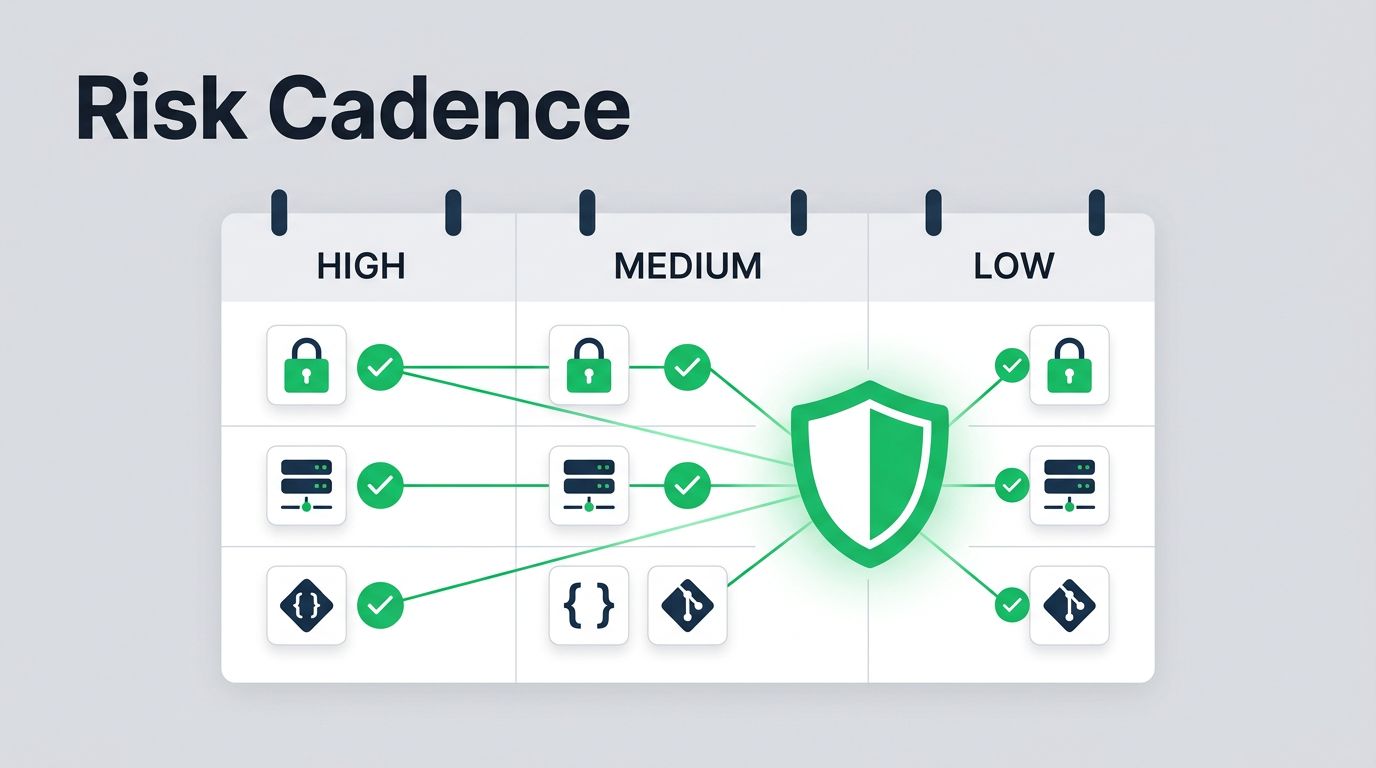
Cadence matters too. Monthly or biweekly touches usually beat big quarterly blasts because people forget quickly. Short, frequent reps build a habit, while long gaps reset the learning curve.
The best programs also reward the right action. Celebrate reports. Show teams their improvement. Keep lessons under two minutes. That is how you reduce simulation fatigue while still raising difficulty over time.
Track behavior, not vanity metrics
Click rate still matters, but it doesn’t tell the full story. A mature program measures whether employees spot, report, and recover from suspicious messages. It also shows which groups improve and which ones need more support.
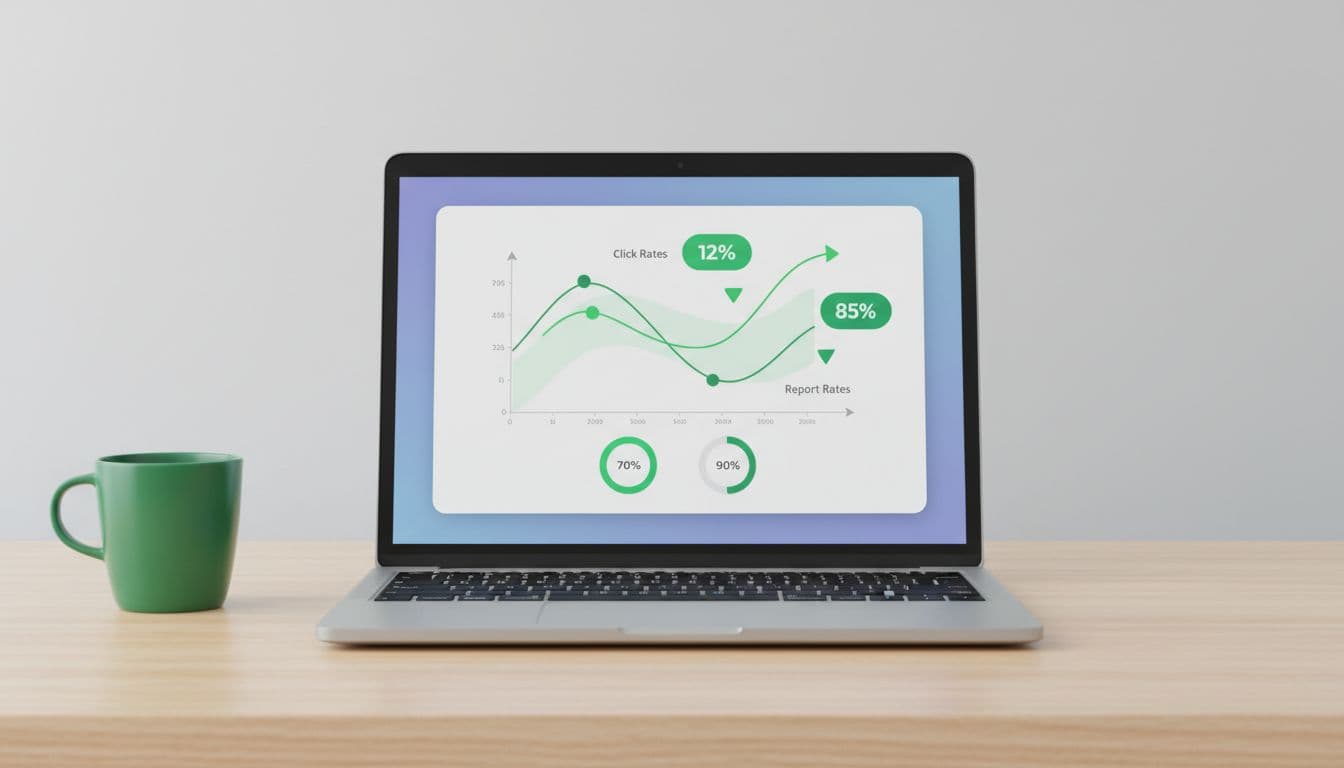
Use a small KPI set that leaders can read in a minute:
| KPI | Healthy target | Why it matters |
|---|---|---|
| Reporting rate | Above 70% | Shows staff take action |
| Click rate | Under 10% after 12 months | Tracks basic exposure |
| Credential submission rate | Under 2% | Measures highest-risk behavior |
| Time to report | Under 15 minutes | Helps contain real attacks |
| Repeat offender rate | Under 5% | Flags coaching needs |
The pattern matters more than a single campaign. A falling click rate with flat reporting is only half a win. A rising reporting rate usually signals a healthier culture. Also watch exposure by role. An executive assistant who sees fewer but more targeted lures may need a different benchmark than a large front-line team.
A simple checklist for choosing a program
Before you buy or renew, check these basics:
- Role-based scenarios: The platform should tailor lures by team, seniority, and business process.
- Adaptive difficulty: The content should get harder or easier based on behavior.
- Microlearning after the event: Coaching should take 60 to 120 seconds, not 20 minutes.
- Multi-channel coverage: Email alone is not enough in 2026. Look for SMS, QR, and voice options.
- Culture controls: You should be able to avoid public shaming, punitive alerts, and noisy leaderboards.
- Clear analytics: Reporting rate, time to report, repeat failures, and department trends should be easy to track.
If a vendor sells templates but not behavior change, keep looking. The best platform is the one your employees will keep engaging with six months from now, not the one that produces the scariest first report.
A strong program respects the fact that people work fast. It trains them inside that reality, not outside it. That is why the phishing simulation programs employees don’t ignore are usually the ones that feel fair, timely, and useful.
If your current setup still runs on gotcha tactics, start small. Pilot a role-based campaign, add instant coaching, and watch whether reporting rises. When staff feel taught instead of trapped, the whole program gets stronger.