table of contents
A planning project can look simple at kickoff and still turn messy by week two. That’s why weak planning pricing structures create scope creep, thin margins, and avoidable friction.
The fix isn’t picking one “best” model. It’s matching your pricing to the kind of planning work, the level of unknowns, and the value of the outcome. Once that match is clear, pricing stops feeling like guesswork.
What you’re really pricing in planning work
Planning isn’t only time on a calendar. Clients also pay for judgment, pattern recognition, prep, stakeholder alignment, and the ability to turn fuzzy ideas into clear next steps.
That matters because planning work often has invisible labor. A one-hour meeting may take three hours of review, research, and follow-up. In the same way, a roadmap deck may look neat and short, yet it may rest on weeks of interviews and trade-off calls.
So before choosing a price model, define the shape of the job. Is it a one-time plan, a phased strategy, or ongoing advisory support? Is the scope known, or will you discover it while working?
For example, a cybersecurity hiring plan, a market-entry roadmap, and an annual budget plan all share one trait. They start with uncertainty. In those cases, many firms use a short paid discovery before pricing the full engagement, which is a smart approach echoed in this consultant pricing playbook.
If scope is fuzzy, price the learning phase first.
That single move protects both sides. The client gets a clearer plan. You get better pricing data.
The five planning pricing structures most teams use
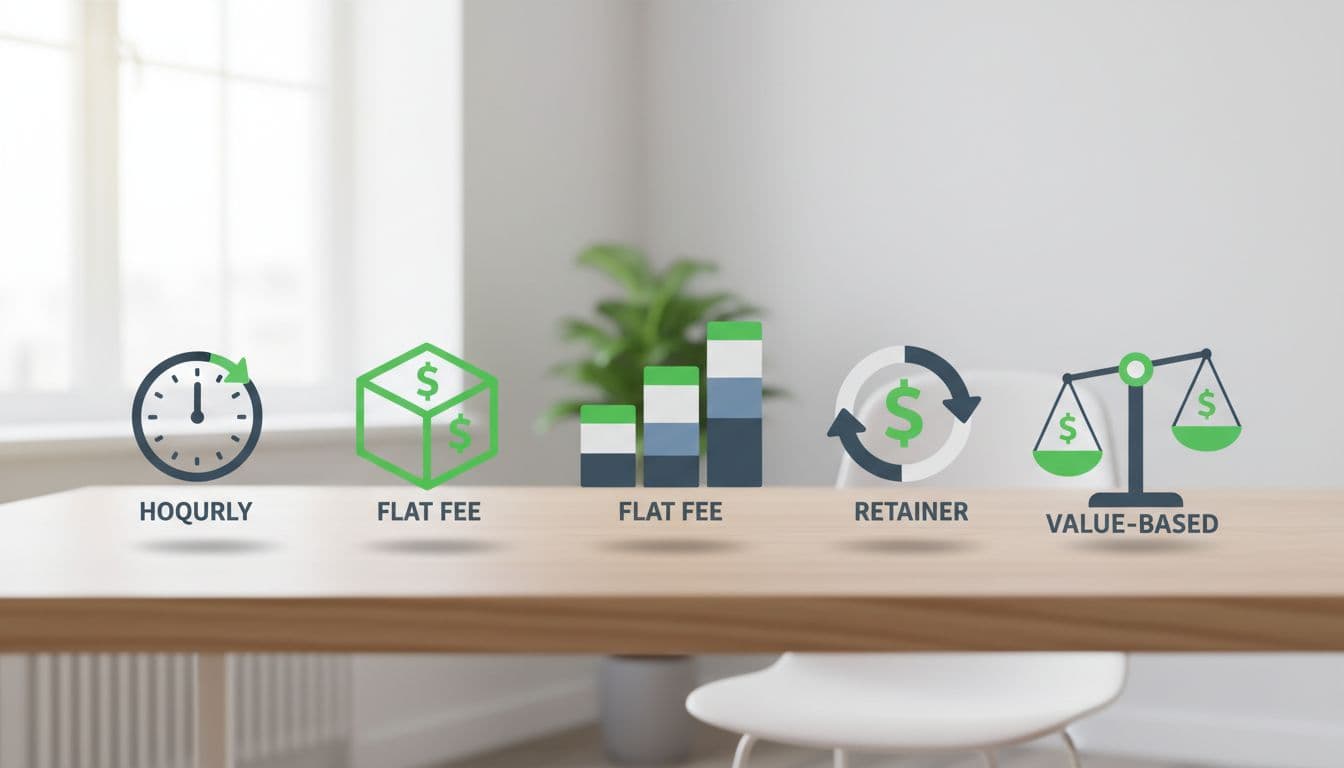
This quick comparison shows where each model fits best.
| Pricing model | Best for | Main risk |
|---|---|---|
| Hourly pricing | Discovery, workshops, changing scope | Clients may feel the meter running |
| Flat-fee pricing | Clear deliverables and fixed scope | Margin drops if revisions grow |
| Tiered packages | Standardized services with buyer choice | Too many options can confuse clients |
| Retainers | Ongoing planning support each month | Scope can blur without boundaries |
| Value-based pricing | High-impact outcomes with measurable upside | Harder to price if value isn’t clear |
Hourly pricing works best when the work is still taking shape. Think early-stage planning, advisory calls, stakeholder interviews, or a fast-moving problem where no one can map the full path yet. It is simple, but it can punish efficiency. The faster you get, the less you bill.
Flat-fee pricing fits planning projects with a defined start, end, and output. A 90-day hiring roadmap, incident response plan, or planning workshop series often fits this model. If you go this route, clear assumptions matter. A good project-based pricing guide shows why scope language often matters more than the number itself.
Tiered packages help when you sell a repeatable planning service. For instance, you might offer a basic assessment, a standard strategy package, and an executive-led option with deeper facilitation. This works well when buyers want choice, but not a blank page.
Retainers make sense when planning never really stops. Fractional leadership, monthly strategy calls, recurring forecast updates, and planning support tied to hiring or security operations are strong examples.
Value-based pricing works when the plan drives a clear business result. If a workforce plan shortens hiring delays or a security roadmap cuts exposure and waste, the price can reflect that upside. This value-based pricing guide explains the logic well.
The cost drivers that change planning prices
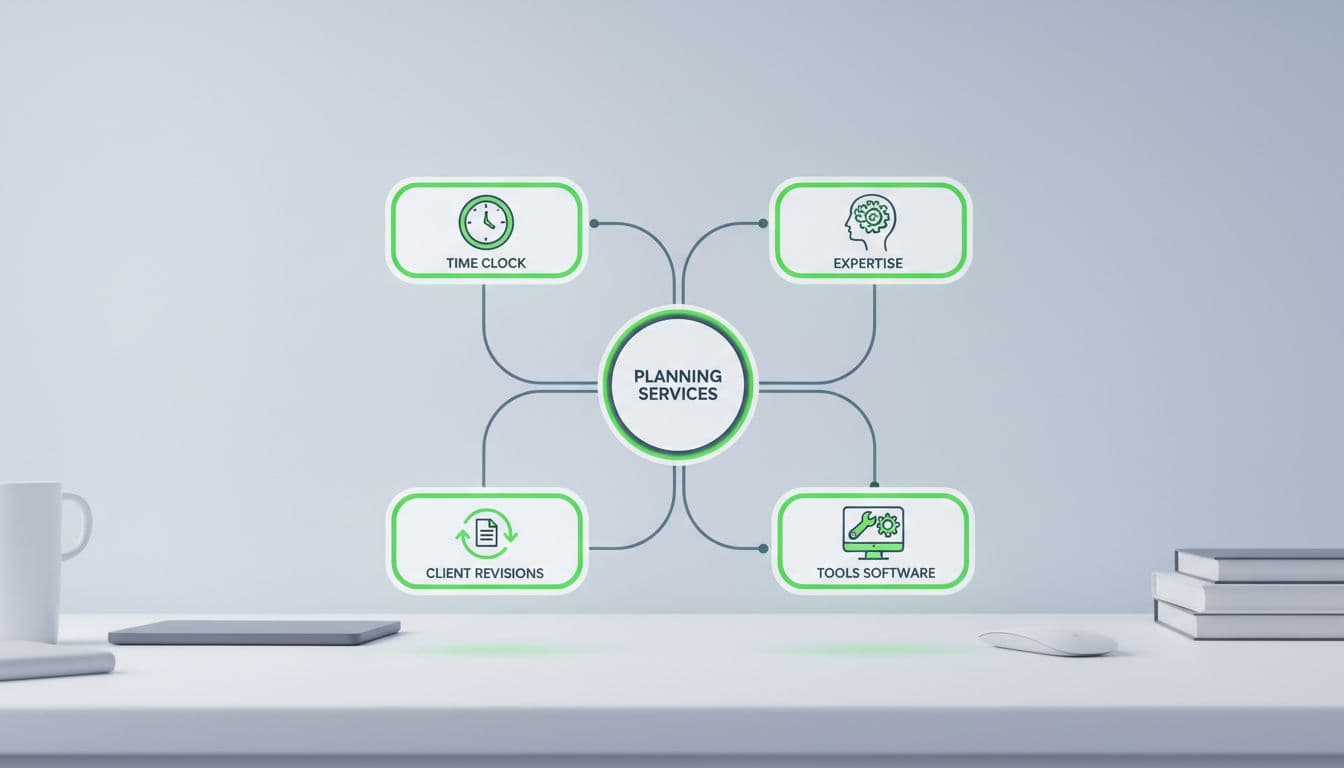
Two planning projects can sound alike and still cost wildly different amounts. The reason is usually hidden in the cost drivers.
First, scope clarity changes everything. If the goals, deliverables, and timeline are tight, fixed pricing gets easier. If the client is still sorting priorities, the price should cover more learning and more change.
Next, look at stakeholder load. A plan reviewed by one owner is cheaper than a plan shaped by six department heads. More people usually means more meetings, more alignment work, and more revisions.
Then there is depth. A lightweight action plan is not the same as a plan backed by interviews, risk review, data analysis, and implementation mapping. Add urgency, and price goes up again because rush work squeezes your schedule.
Experience matters too. Clients do not only buy hours. They buy fewer mistakes, stronger judgment, and faster decisions. That is why seasoned firms often protect price by setting revision limits, meeting limits, and change-order rules up front, a point reinforced in this consulting fee strategy.
A simple way to think about it helps: planning is like sketching a building before construction. The sketch seems small, but poor planning costs a lot later.
A simple framework to choose the right structure
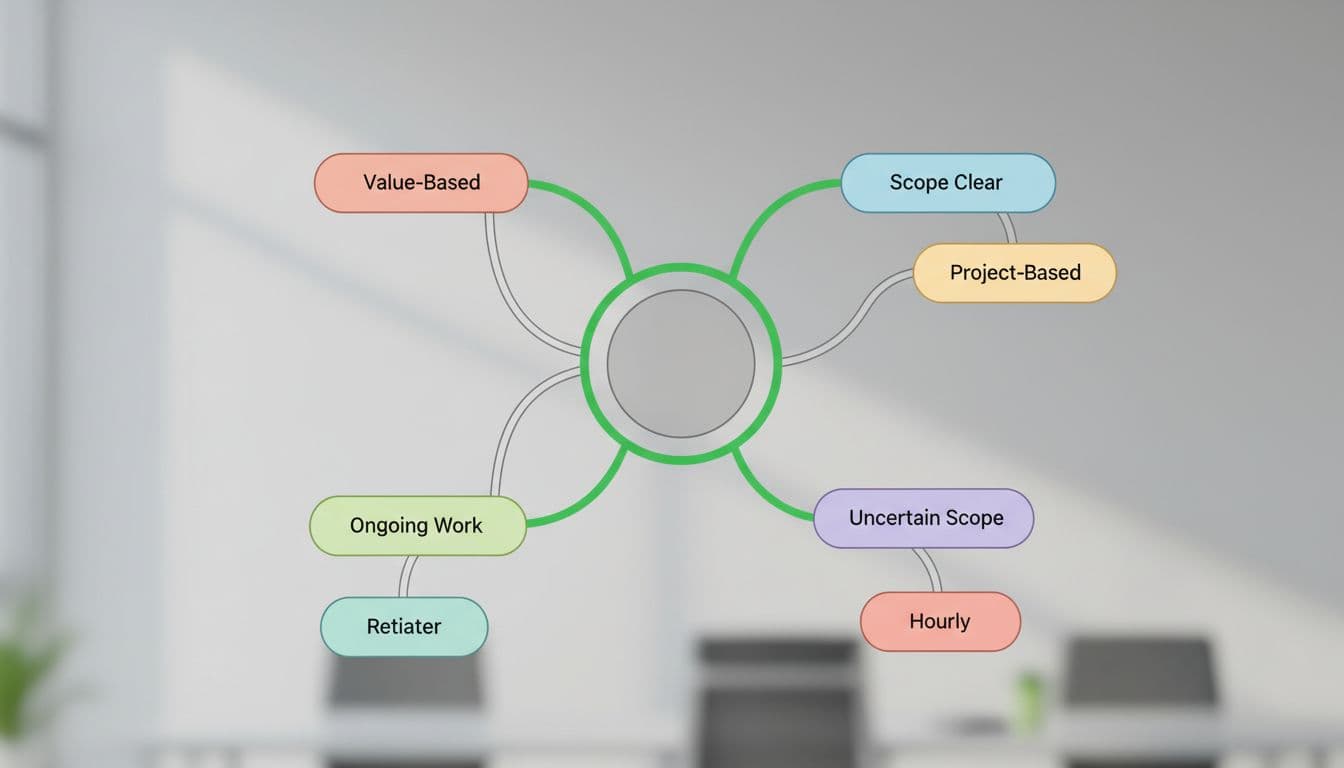
Use this quick framework when building or reviewing pricing.
- Start with scope clarity. If the work is unclear, use hourly pricing or a paid discovery phase.
- Check the delivery pattern. If the job has a clear output and deadline, flat-fee pricing often fits.
- Look for repeatability. If you sell a standard offer, tiered packages make buying easier.
- Measure continuity. If the client needs monthly access, a retainer is usually the cleanest choice.
- Assess business impact. If the plan could unlock major revenue, savings, or risk reduction, test value-based pricing.
- Add guardrails. Define meetings, revisions, assumptions, and what counts as out-of-scope work.
In practice, many firms use a hybrid. You might charge hourly for discovery, then move to a flat fee for delivery. Or you may keep a monthly retainer for advisory work and price major planning projects separately. Hybrid models often feel more natural because they match how planning work actually unfolds.
The best pricing structure is the one that matches both uncertainty and outcome.
Bad pricing feels like wearing the wrong shoes. You can still move, but every step costs more than it should.
Good planning pricing structures do one job well: they line up the price with scope, risk, and value. When that alignment is right, sales conversations get easier and delivery gets cleaner.
Review your next proposal with one hard question. Are you charging for hours, or for the clarity and direction you create?