table of contents
A data breach hits hard. You contain it fast, but attackers often lurk longer. In 2026, companies face repeat risks if they ignore team gaps.
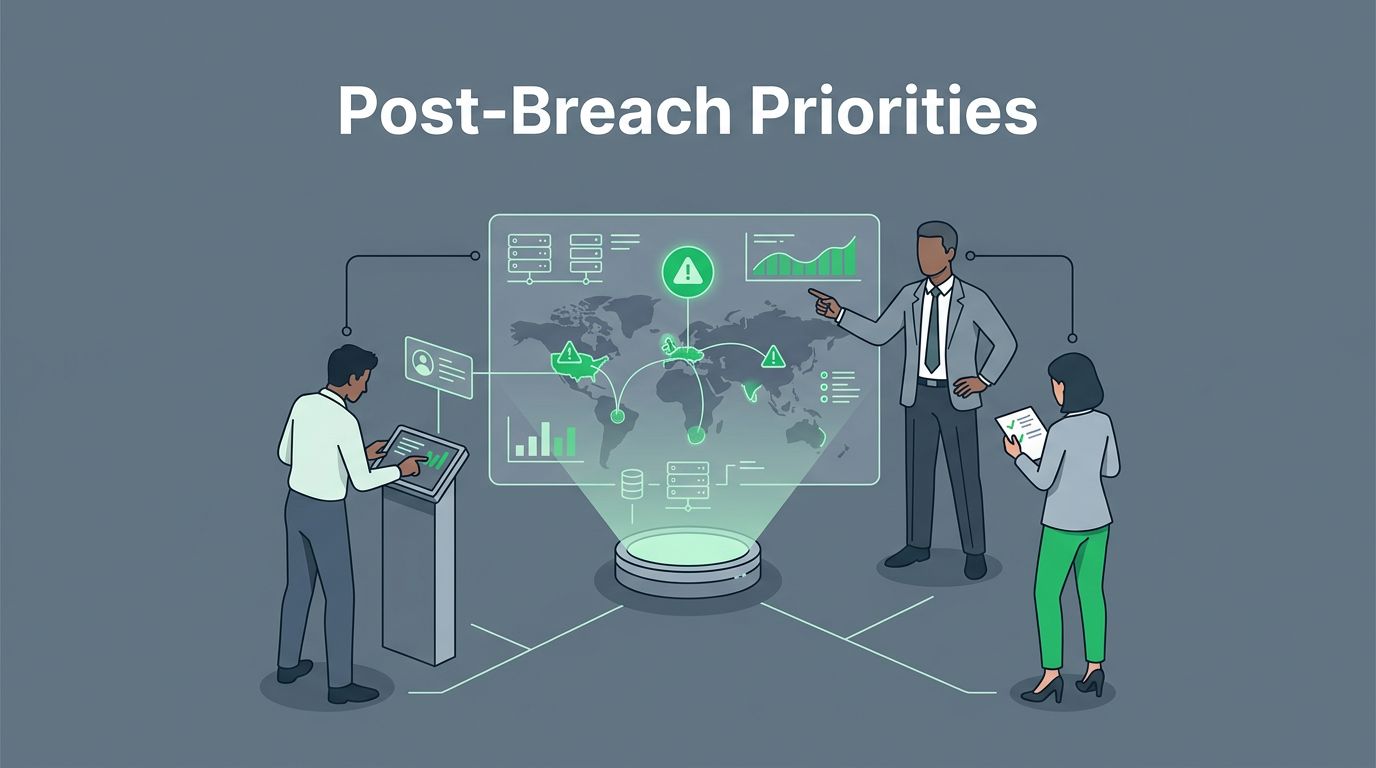
Security leaders scramble. Boards demand answers. Customers lose trust. Post-breach security demands clear role priorities to rebuild defenses and prove accountability.
You need a plan now. Start by spotting weaknesses in your team.
Assess Your Post-Breach Security Team Gaps
Map your current roles right away. List who handles what during and after incidents. Compare against best practices from recent reports.
Gaps show up quick. Maybe no dedicated incident responder. Or compliance lacks a full-time expert. Use a simple audit: review logs, interview staff, check response times.
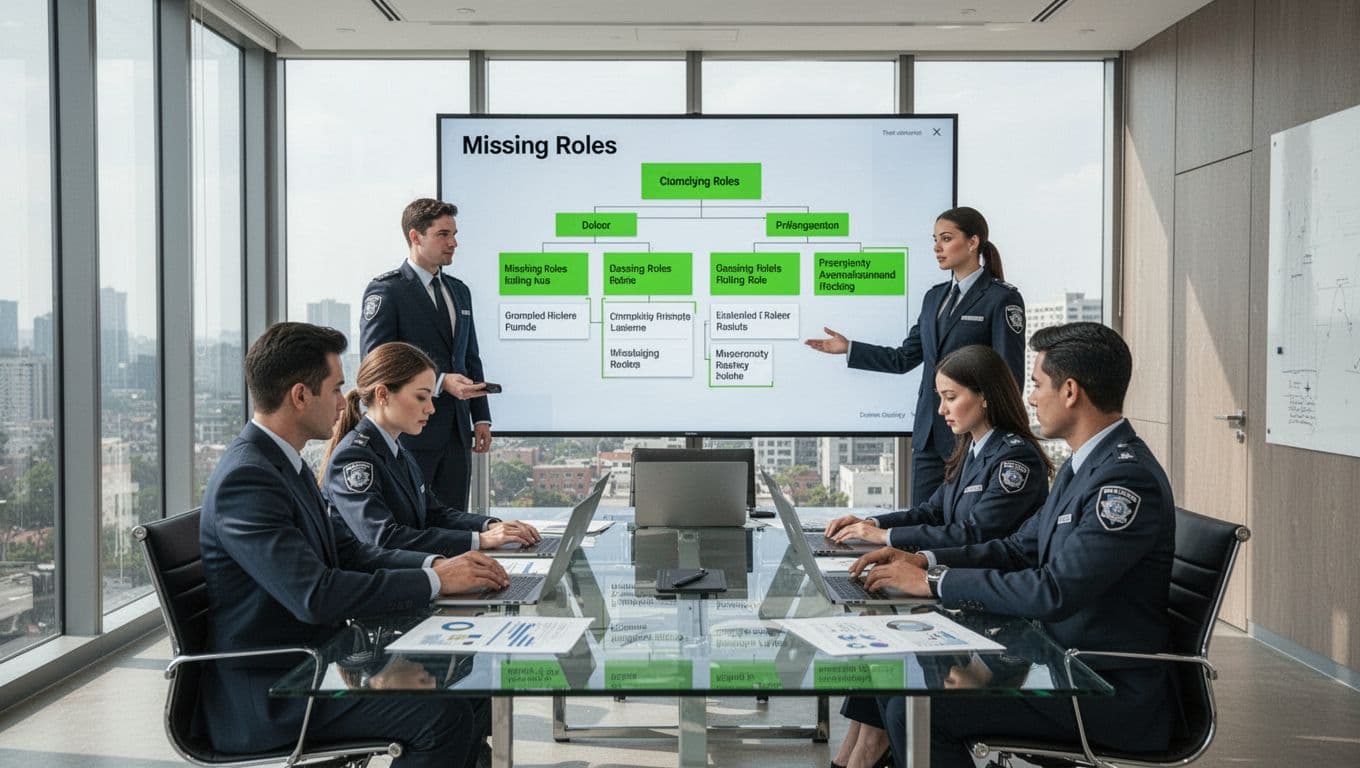
For example, human error caused 28% of breaches last year. So test your team’s backup knowledge. Firms that skip this audit repeat mistakes. They overreact on tools but miss basics like logging.
Fill gaps with temps if needed. A post-incident interim CISO calms chaos and sets 30-day goals. Prioritize roles that cut dwell time. Most importantly, document everything for regulators.
This step builds resilience. It also shows stakeholders you act deliberately.
Prioritize Incident Response and Security Operations
Incident response tops the list. Hire or upskill analysts who detect fast. In 2026, adaptive plans beat static ones.
SecOps teams handle alerts daily. They need pros for real-time triage. Automation cuts overload, but humans validate threats.
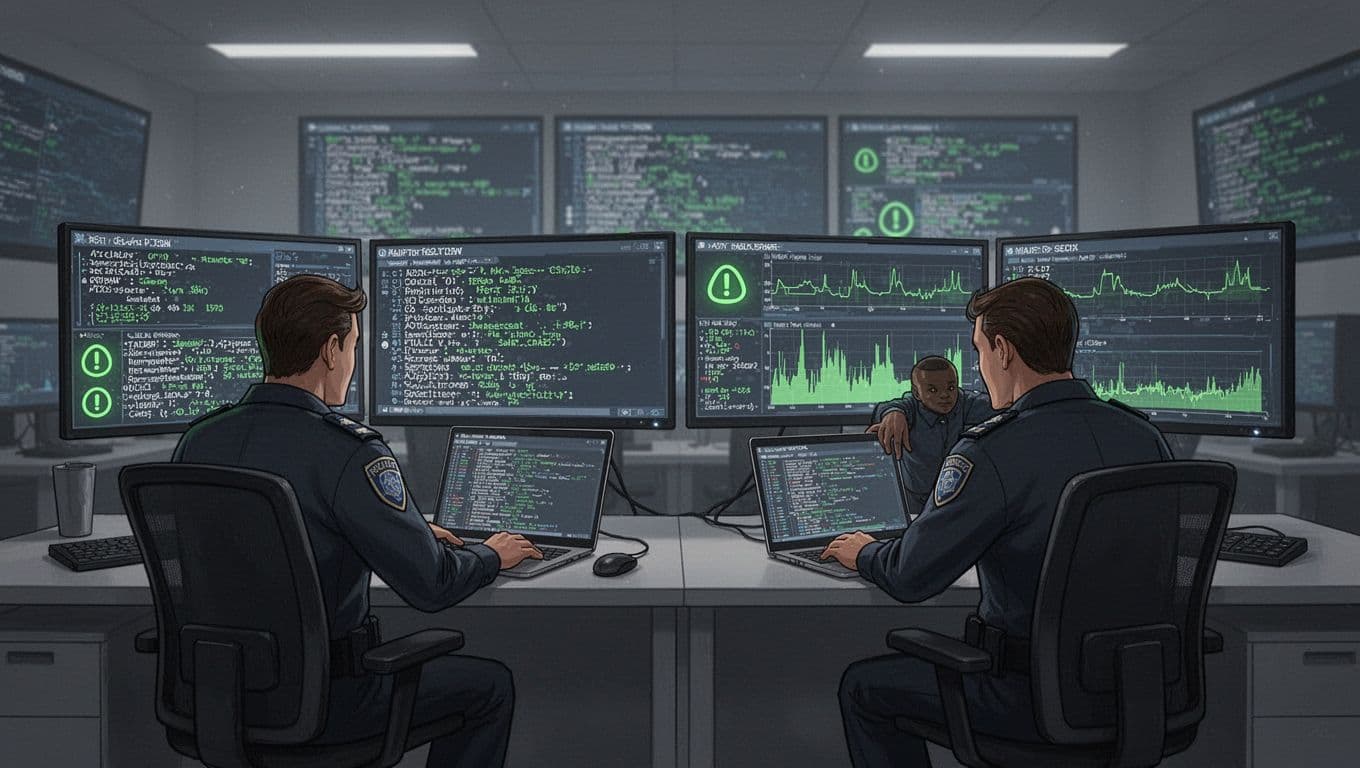
Train them on immutable backups first. These stop ransomware wipeouts. Over 37% of firms now boost this spending. Test recovery quarterly. Align it to business needs, so sales keep running.
Avoid the mistake of siloed teams. Integrate SecOps with IT. Use threat intel for decisions. As a result, you shrink mean time to respond.
Strong IR prevents collapses. Companies fail from poor handling, not the breach itself.
Bolster Leadership and Governance Post-Breach
Appoint a steady leader fast. Your CISO or interim guides the rebuild. They brief boards on risks and fixes.
Governance sets rules. Define playbooks for AI threats and data sovereignty. New regs like SEC rules demand quick reports. Scorecards track case volume and close times.
In addition, merge cyber with ops security. Share data safely. Nation-state worries hit 63% of execs. Governance builds trust.
Don’t skip culture. Train all staff on phishing-resistant auth. Boards see progress in metrics. This role prevents panic buys of wrong tools.
Leadership owns resilience. They turn breach into stronger ops.
Lock Down Identity and Access Management
Identity is king in 2026. Attackers reuse creds post-breach. Zero trust verifies every access: user, device, behavior.
Hire IAM specialists. They enforce MFA everywhere. End odd logins instantly. Cloud accounts top targets now.
Phishing-resistant auth cuts risks. Half of cloud data lacks encryption; fix that. For small slips, like one employee’s vish call exposing thousands, IAM blocks lateral moves.
Best practices say validate tools independently. IAM pros map SaaS and endpoints. They stop the second act.
This role slashes repeat breaches. Focus here before fancy AI.
Align Risk, Compliance, Legal, and Communications
Risk teams quantify threats. They prioritize high-value assets. Compliance handles DORA and disclosures.
Legal coordinates notices. Miss deadlines, face fines. Communications calms customers. Be transparent; say what happened and fixes.
Avoid vague updates. Use scorecards for proof. Small businesses see this playbook in action.
These roles restore trust. They also prep for audits.
Tailor Priorities by Company Size
Needs differ by scale. Small firms focus basics. Mid-sized add depth. Enterprises build full stacks.
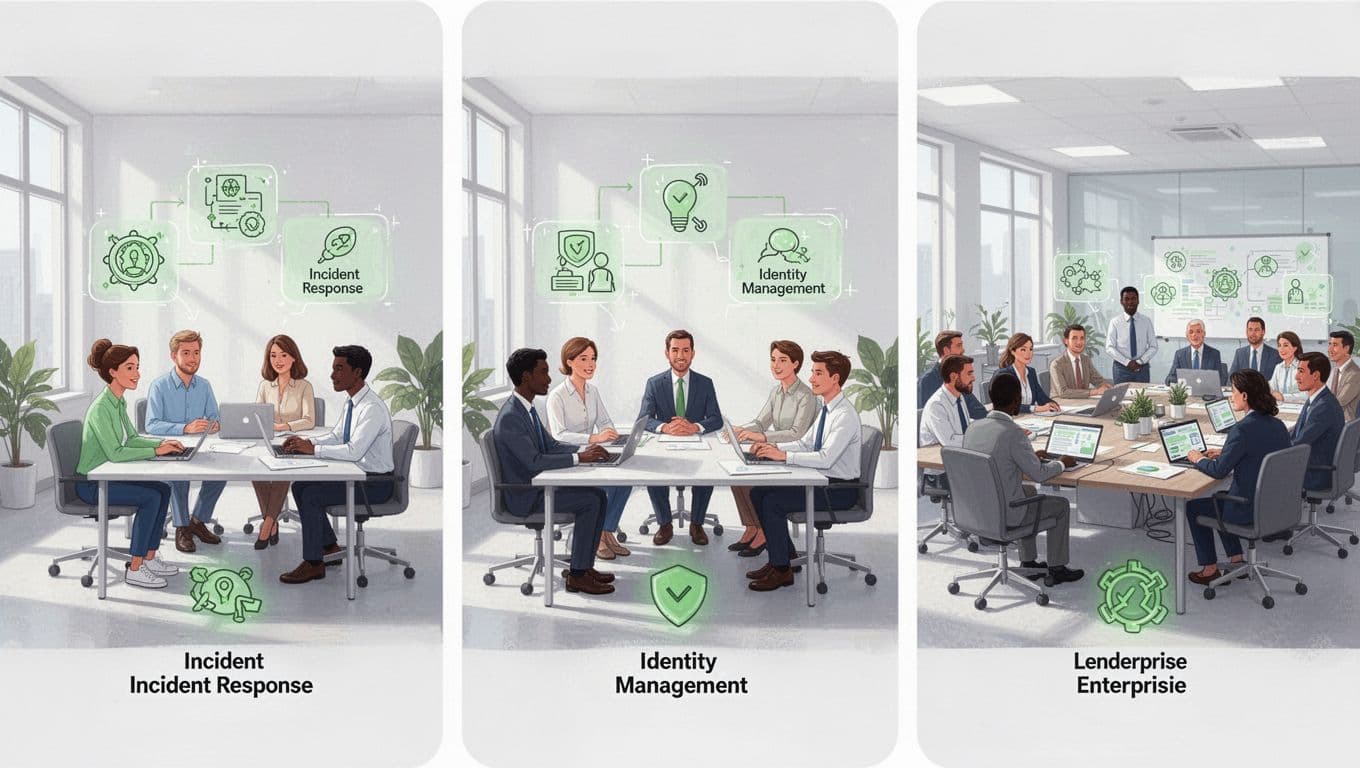
Small teams (under 50 staff) hire a versatile responder first. They cover IR and IAM. Outsource legal.
Mid-sized (50-500) add SecOps analysts. Strengthen compliance for regs.
Enterprises staff leadership and governance heavy. They integrate AI rules across units.
| Company Size | Top Role to Add | Why It Matters |
|---|---|---|
| Small | Incident Responder | Quick containment; covers basics |
| Mid-Sized | SecOps Analyst | Handles alert volume; scales ops |
| Enterprise | Interim CISO | Guides complex recovery; board reports |
This table shows focus areas. Small outfits avoid overkill; enterprises layer defenses.
Pick based on your gaps. All sizes gain from audits.
Post-breach security turns crisis to strength. You assessed gaps, prioritized IR and IAM, aligned support roles. Data resilience and zero trust follow close.
Breaches test teams, but smart priorities win. Boards regain confidence. Customers stay loyal.
Book a Discovery Call with Bud Consulting to fill your gaps fast. Act before the next hit.