table of contents
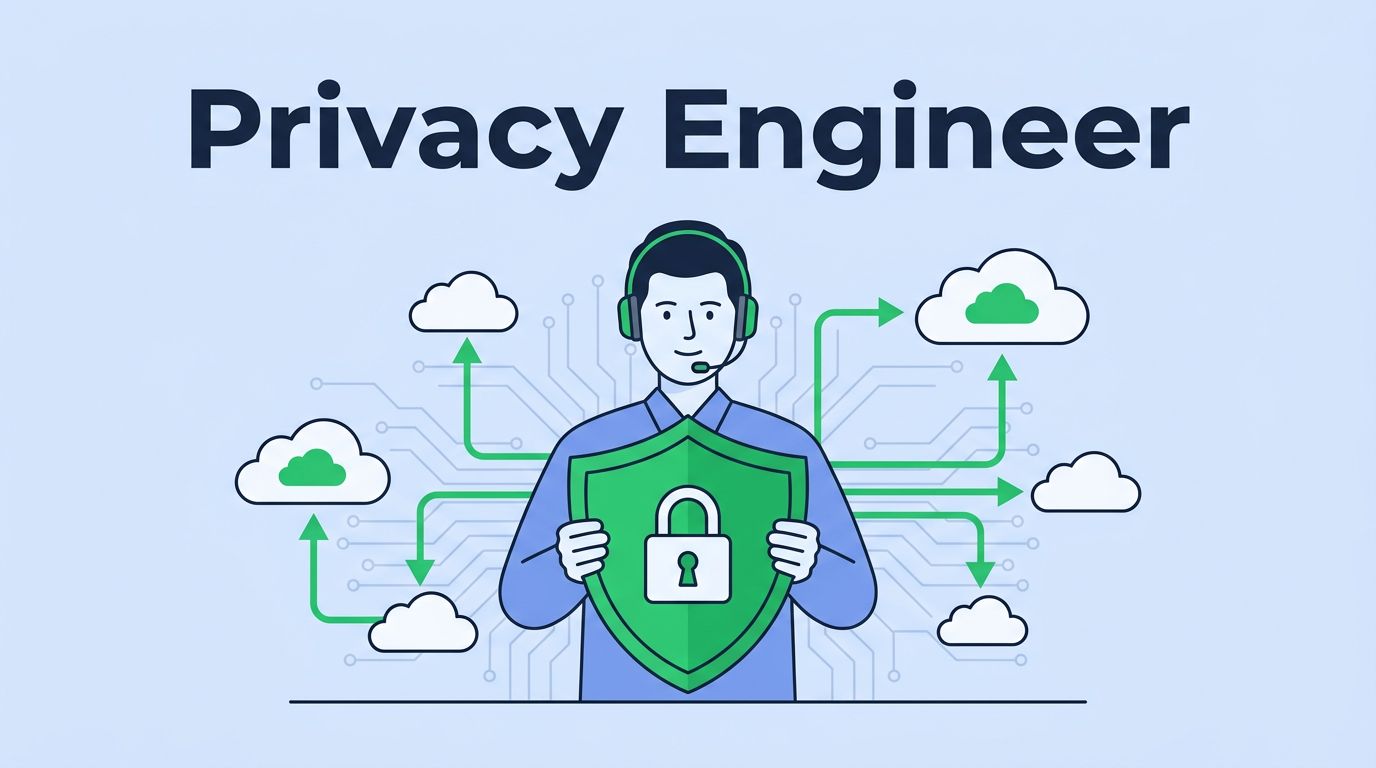
Hiring a privacy engineer for a SaaS team gets easier when you treat the role like product work, not paperwork. In 2026, buyers ask harder questions about data use, AI features, retention, and vendor risk, so weak privacy hiring shows up fast.
When privacy sits only with legal or compliance, launches slow down and fixes pile up. The right person helps product and engineering ship with fewer surprises, cleaner data flows, and less rework.
If you are writing the role now, the goal is clear scope, real interview signals, and a hiring plan that fits your stage.
Why SaaS teams need this role now
SaaS products move personal data through many hands. Sign-ups, billing, support tools, analytics, and AI features all create privacy risk.
That is why privacy engineer hiring is rising. The work now sits close to revenue, not just policy. Customers want proof that you know where their data goes, how long you keep it, and who can access it.
If you need a starting point for the scope, the IAPP privacy engineer sample job description is a solid baseline. Then tailor it to your own product, regions, and data stack.
In 2026, the best candidates usually want clear ownership. They want to know where they fit, who they partner with, and what they can improve in the first 90 days.
What a privacy engineer actually does in a SaaS company
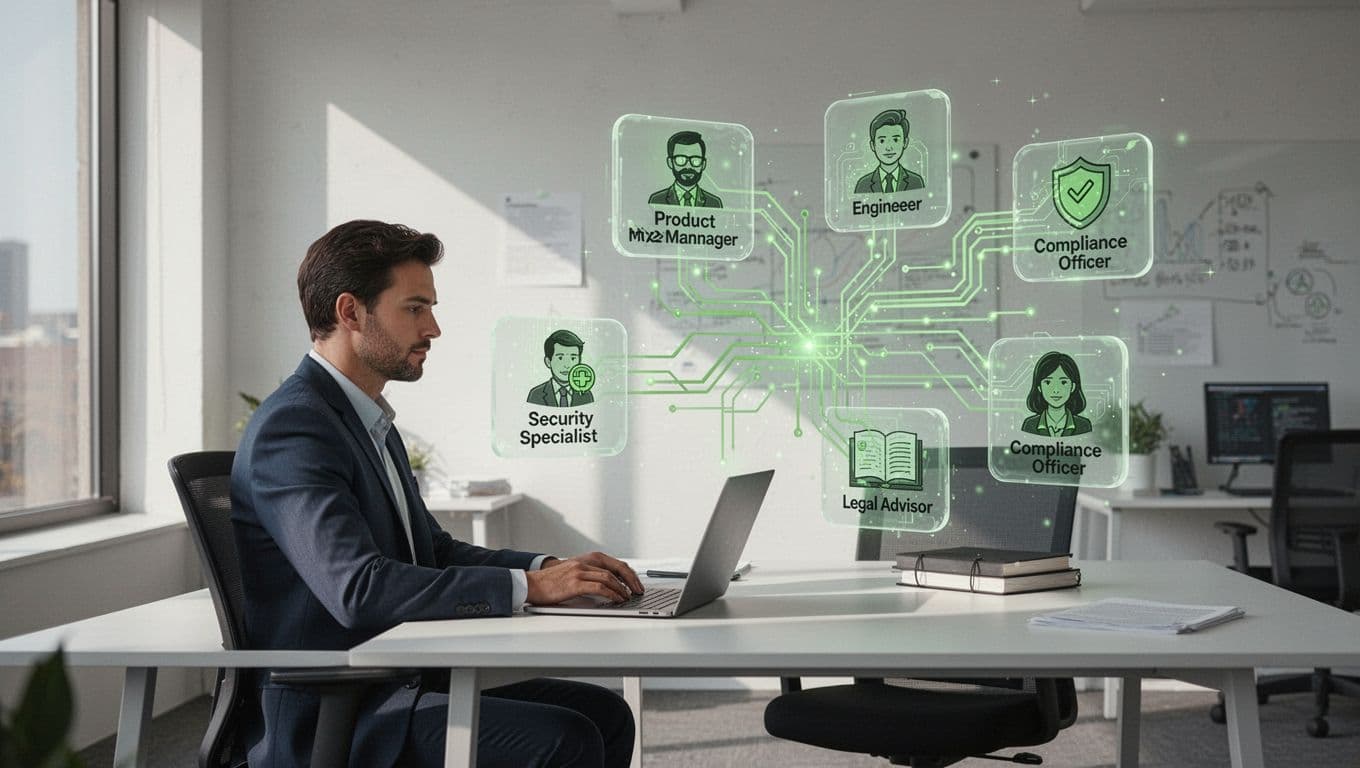
A privacy engineer maps where personal data enters the product, where it flows, and where it leaves. They work with product on new features, with engineering on implementation, with security on access and logging, with legal on notices and contract terms, and with compliance on evidence.
That work shows up in day-to-day SaaS tasks:
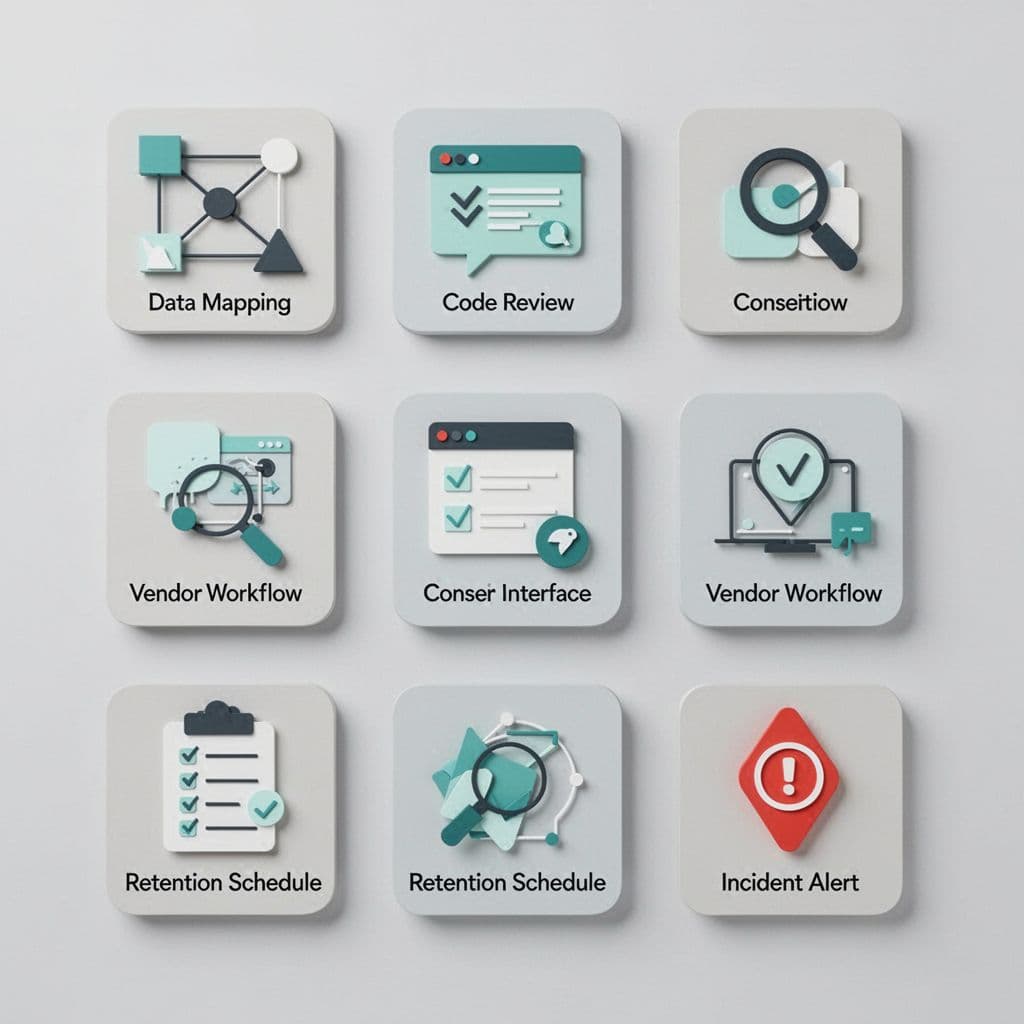
- data mapping for signup, billing, support, analytics, and AI features
- privacy by design reviews before launch
- consent and preference systems
- vendor and data flow reviews
- DPIAs for higher-risk processing
- retention and deletion workflows
- incident support when privacy issues affect customers
- implementation support for GDPR, CCPA/CPRA, HIPAA, PCI DSS, SOC 2, or the EU AI Act
If privacy only appears during launch review, the team is already late.
The best privacy engineers do not block shipping. They help teams make safer choices earlier, when fixes are cheaper and easier.
Privacy engineer vs security, GRC, DPO, and product counsel
These roles overlap, but they are not the same. A clear distinction helps you write a sharper job description and interview the right people.
| Role | Main focus | Typical output | Best fit when |
|---|---|---|---|
| Privacy engineer | Build privacy into product and data flows | data maps, design reviews, control implementation | you ship features that move personal data |
| Security engineer | Protect systems from attack and abuse | hardening, access control, detection, response | your main risk is technical compromise |
| GRC or compliance manager | Manage controls, audits, and evidence | policies, attestations, risk registers | you need program tracking and audit support |
| DPO | Oversee privacy strategy and legal position | governance, escalation, independence | GDPR duties need formal oversight |
| Product counsel | Advise on product terms and legal risk | notices, terms, consent language | legal review is the main blocker |
The short version is simple. The privacy engineer builds the control in the product. The others guide policy, risk, or legal position.
The skills checklist that predicts success
For SaaS, a strong candidate needs more than privacy knowledge. They need enough technical depth to work with engineers without hand-holding.
A good checklist looks like this:
- understands SaaS data flows, APIs, event logs, and analytics
- can turn privacy requirements into tickets, designs, and testable controls
- has shipped consent, preference, retention, or deletion flows
- knows how to document decisions for audits and customer reviews
- can work with product, security, legal, and compliance without creating friction
- understands the practical side of GDPR, CCPA/CPRA, HIPAA, PCI DSS, SOC 2, or the EU AI Act
- writes clearly and can explain trade-offs in plain language
For a current SaaS example, Stripe’s privacy products role shows how close this work sits to engineering and platform teams.
Interview questions and red flags
Use interview questions that force candidates to show how they work, not just what they know.
Sample interview questions
- Walk me through how you would map data for a new feature from signup to deletion.
- Tell me about a time you changed a product design because of privacy risk.
- How would you set up consent across web, mobile, and support tools?
- When would you trigger a DPIA, and who would you involve?
- How do you handle a vendor review when you find an unexpected data path?
Red flags to watch
- They speak only in policy terms and never mention systems.
- They cannot describe one data flow they improved.
- They treat legal as the sole owner of privacy.
- They avoid trade-offs and call every issue a stop-ship problem.
- They have no clear examples of working with engineers or product managers.
A strong privacy engineer shows judgment. They know when to push, when to document, and when to help the team move.
A hiring process that fits SaaS teams
A simple process works best.
- Define the scope around your product, data types, regions, and biggest risks.
- Write a scorecard with must-haves, nice-to-haves, and clear outcomes.
- Screen for implementation work, not only privacy reviews or policy writing.
- Use a practical case, like mapping data for a new feature or fixing deletion gaps.
- Include product, engineering, security, and legal in separate interview rounds.
- Decide if you need full-time help now, or a consultant or fractional expert first.
For startups, a fractional privacy engineer often makes sense before a full-time hire. It helps you close gaps, set patterns, and learn what the permanent role should own.
If you want help finding the right person, Book a Discovery Call with Bud Consulting.
A good privacy engineer hire does more than reduce risk. They help the whole SaaS team build trust into the product from the start, so privacy work stops feeling like a last-minute scramble.