table of contents
You face risks every day in business. A cyber breach could wipe out data. Supply chains might break. Teams could miss deadlines. Risk mitigation cuts these threats without stopping operations.
Many leaders confuse it with avoidance or full management. Avoidance means skipping risks altogether, like avoiding new markets. Management covers the whole process. Mitigation focuses on reducing impact or likelihood. You keep moving forward safer.
This guide breaks it down. You’ll get clear steps and examples. Let’s start with the basics.
What Is Risk Mitigation?
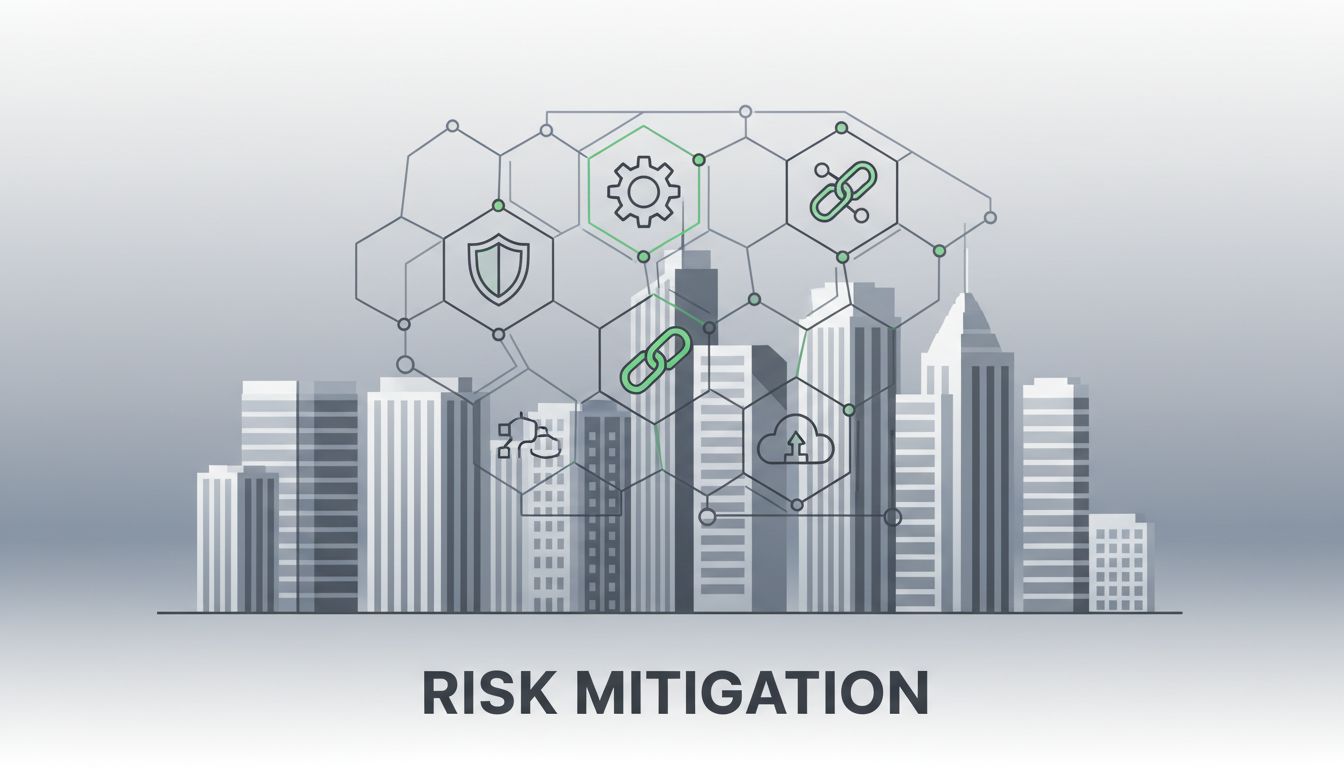
Risk mitigation means actions to lessen a risk’s chance or harm. Think of it as building a safety net. You don’t eliminate the risk. You make it manageable.
It differs from key terms. Risk avoidance dodges threats completely. For example, a firm skips international expansion to avoid currency swings. Risk management oversees all risks, from spotting to response. Mitigation sits inside that. It targets specific reductions.
Businesses use it across areas. Operations cut downtime with backups. Projects add buffers for delays. Compliance teams install controls against fines.
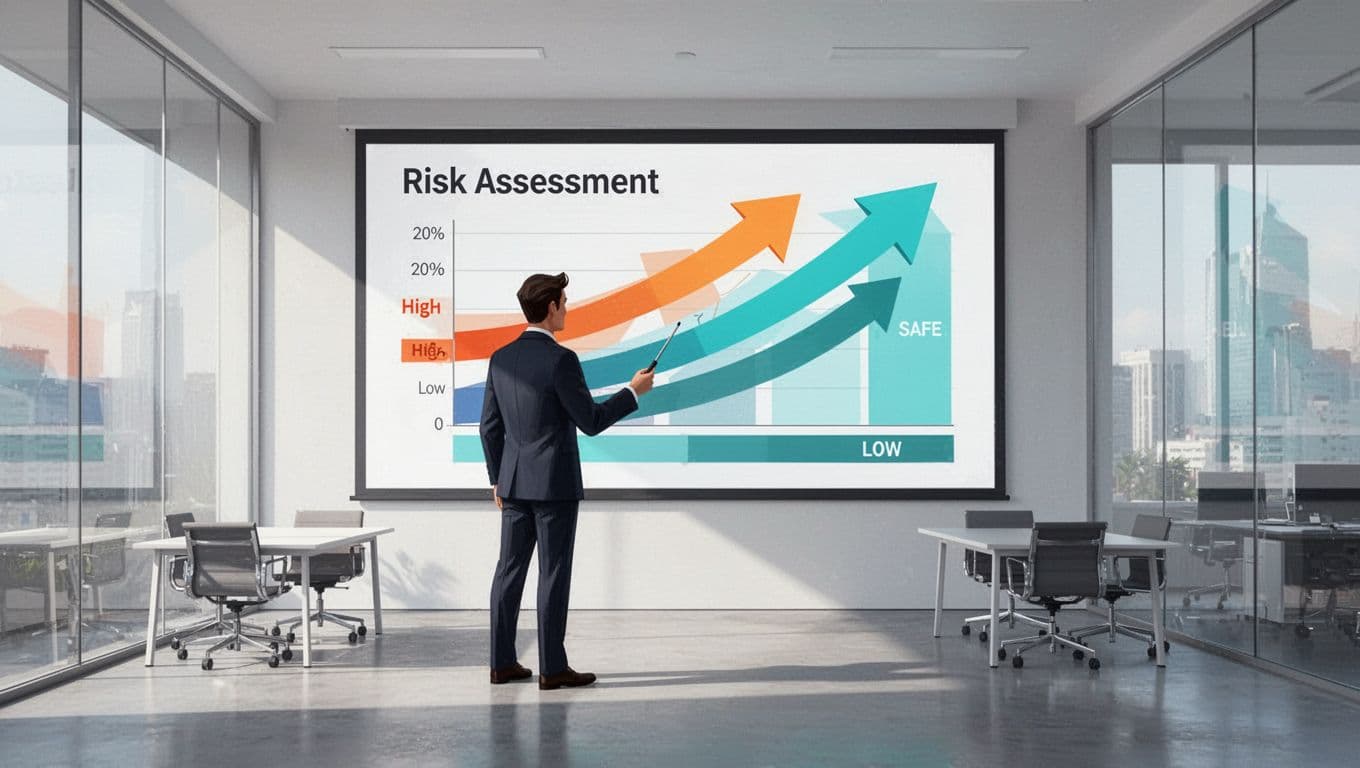
In practice, leaders assess first. They rank risks by impact. Then they choose tactics like diversification or training. Results show up in lower losses. Teams gain confidence too.
Most importantly, it fits budgets. Small changes yield big gains. You stay agile in tough times.
Why Prioritize Risk Mitigation Today?
Threats grow faster now. Cyber attacks hit records yearly. Regulations tighten on data privacy. Economic shifts add pressure. In 2026, AI tools expose more weak spots.
Leaders who ignore this pay dearly. Downtime costs thousands per hour. Reputational hits linger years. Mitigation flips that script. It saves money and builds trust.
Consider supply chains. Delays from global events hurt profits. Mitigation spreads suppliers. Projects face scope creep. Extra reviews catch issues early.
For operations managers, it means steady output. Compliance pros avoid penalties. Everyone benefits from fewer surprises.
Data backs it up. Firms with strong plans recover quicker. They outperform peers by double digits. So, start small. Pick one area. Watch gains compound.
Key Steps to Build a Risk Mitigation Plan
Crafting a plan takes focus. Follow these steps. They form a repeatable framework.
First, identify risks. Brainstorm with your team. List threats like cyber intrusions or vendor failures. Use workshops or surveys.
Next, assess impact. Score each on likelihood and severity. A simple scale works: low, medium, high. Multiply for priority.
Then, prioritize. Tackle top risks first. Focus resources where they count.
Now, mitigate. Choose strategies. Transfer risk via insurance. Reduce it with controls. Accept low ones with watches.
Finally, monitor. Track metrics. Review quarterly. Adjust as needed.
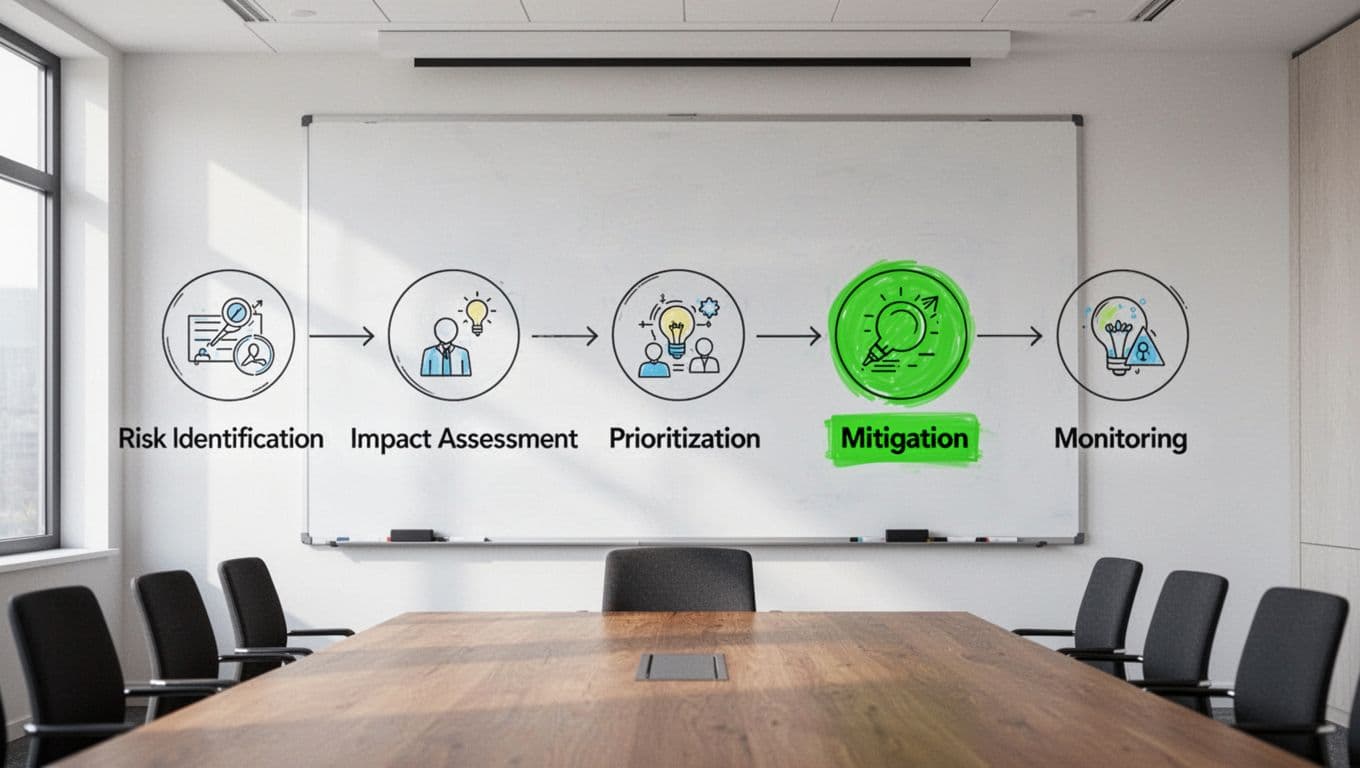
Here’s a quick checklist to apply right away:
- Map risks: Document 10-20 key ones.
- Score them: Use a 1-5 scale for chance and damage.
- Pick tactics: Assign owners and deadlines.
- Test controls: Run drills twice a year.
- Report progress: Share updates monthly.
This process scales. Teams own it. Results follow fast.
Risk Mitigation in Action: Cybersecurity Examples
Cyber risks top lists now. Phishing tricks employees. Ransomware locks files. Mitigation shines here.
Take employee training. Regular sessions cut click rates by half. Simulations build habits. So, attackers fail more.
Patch management helps too. Update software weekly. It closes known holes. Combine with backups. Recovery speeds up.
For cloud setups, enable multi-factor authentication. Segment access. Monitor logs daily. Breaches stay contained.

Third-party risks matter. Vet vendors. Require audits. Contracts include breach clauses.
Bud Consulting helps here. They source security experts. Book a Discovery Call with Bud Consulting to strengthen your team. Real cases show threats drop sharply.
Common Pitfalls and Fixes in Risk Mitigation
Plans fail without buy-in. Involve leaders early. Share wins to keep momentum.
Overlook updates. Risks change. Refresh assessments yearly.
Skip metrics. Track key indicators like incident rates. Data drives decisions.
Budget too tight. Start with high-impact, low-cost steps. Training beats fancy tools sometimes.
Fixes work. Assign clear roles. Celebrate progress. Your plan sticks.
Risk mitigation protects what matters. It reduces threats across business lines. Cyber examples prove it pays off.
Apply the steps today. Build your plan. Watch stability grow. What risk will you tackle first?
(Word count: 978)