table of contents
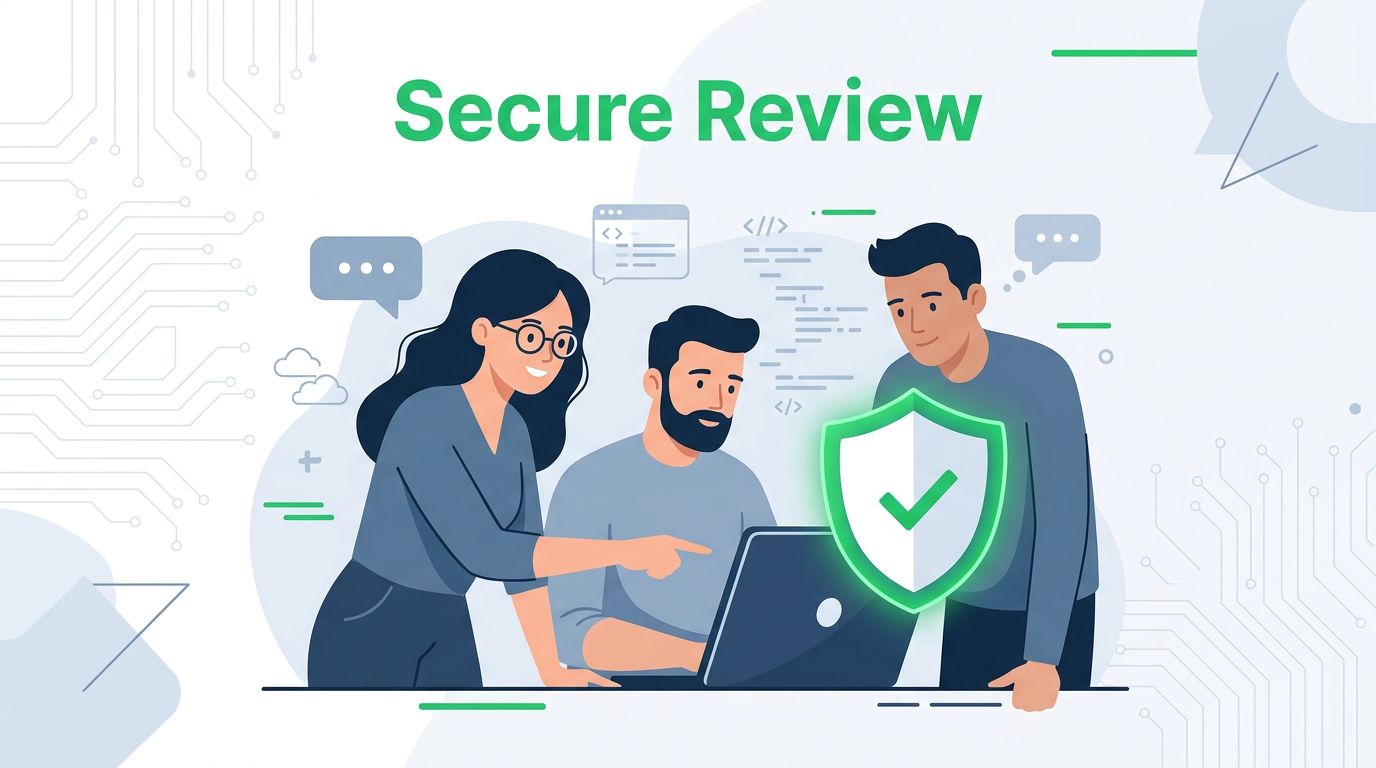
Small teams ship code fast. You know the drill: tight deadlines, shared hats between dev and ops, no room for a full-time security hire. But skipping secure code review leaves doors open to breaches that startups can’t afford.
One overlooked line in auth logic can cost thousands in cleanup. Tools catch some bugs, yet human eyes spot context-specific risks like business logic flaws. These playbooks give you lightweight steps to weave security into pull requests without killing velocity.
Start with simple habits that scale. You’ll review code smarter from day one.
Why Secure Code Review Matters for Your Team
Small teams face unique pressures. You review hundreds of lines per PR under time constraints. Automated scanners help, but they miss nuanced issues like improper role checks.
Consider a recent breach: a fintech startup lost data because devs hardcoded admin access in a feature branch. Manual review would have flagged it. Secure code review acts as your safety net.
Focus on high-impact areas first. Prioritize auth, inputs, and secrets since they cause 70% of web app flaws, per OWASP data. This approach saves hours over full audits.
Track your wins. Log fixed issues to build team knowledge. Over time, fewer bugs slip through.
Teams that integrate these reviews see 40% fewer production incidents. You don’t need experts; just consistent checklists.
Integrating Secure Reviews into PR Workflows
Pull requests are your gate. Add security without extra steps by updating your workflow.
Set rules in GitHub or GitLab. Require two approvals: one peer, one security-aware reviewer. Rotate who checks security to spread skills.
Use labels like “security-review-needed” for risky changes. Tools like GitHub’s CODEOWNERS auto-assign based on files touched.
Run SAST scans in CI first. If they pass, manual review takes minutes.

Keep PRs small, under 400 lines. This speeds reviews and reduces errors.
Comment templates help. For example: “Potential IDOR here; confirm user owns resource before delete.” Authors fix faster.
Tradeoff: adds 10-15 minutes per PR. But it prevents weeks of breach response. Start with one reviewer per sprint to test.
Block merges on open security comments. Enforce with branch protection.
Core Checklist for Every Pull Request
Every PR gets this five-point scan. Print it, pin it, or add as a GitHub template. Takes two minutes tops.
First, scan for secrets with tools like TruffleHog or GitHub secrets scanning.
Second, check inputs: all user data sanitized?
Third, auth and authz: who can access this endpoint?
Fourth, dependencies: new ones vetted?
Fifth, logs: sensitive data masked?

Here’s a sample checklist:
| Area | Quick Check | Pass? |
|---|---|---|
| Secrets | No API keys, passwords in code | Yes/No |
| Inputs | Whitelist validation, length limits | Yes/No |
| Auth | Credentials hashed, sessions secure | Yes/No |
| Authz | Role checks on sensitive ops | Yes/No |
| Deps | No high-vuln updates | Yes/No |
This table catches 80% of issues. Customize for your stack. After reviews, discuss misses in retros.
For deeper guidance, check the OWASP Secure Code Review Cheat Sheet. It lists pitfalls by category.
Playbook: Reviewing Authentication Code
Auth changes demand extra eyes. Weak login flows lead to account takeovers.
Step one: verify credentials use strong hashing like Argon2 or bcrypt. Never MD5.
Comment example: “Use bcrypt.hash(password, salt) instead of plain SHA. OWASP recommends it for slow hashing.”
Step two: check session management. Secure cookies? HttpOnly and Secure flags set?
Step three: rate limiting. Block brute force with 5 attempts per minute.
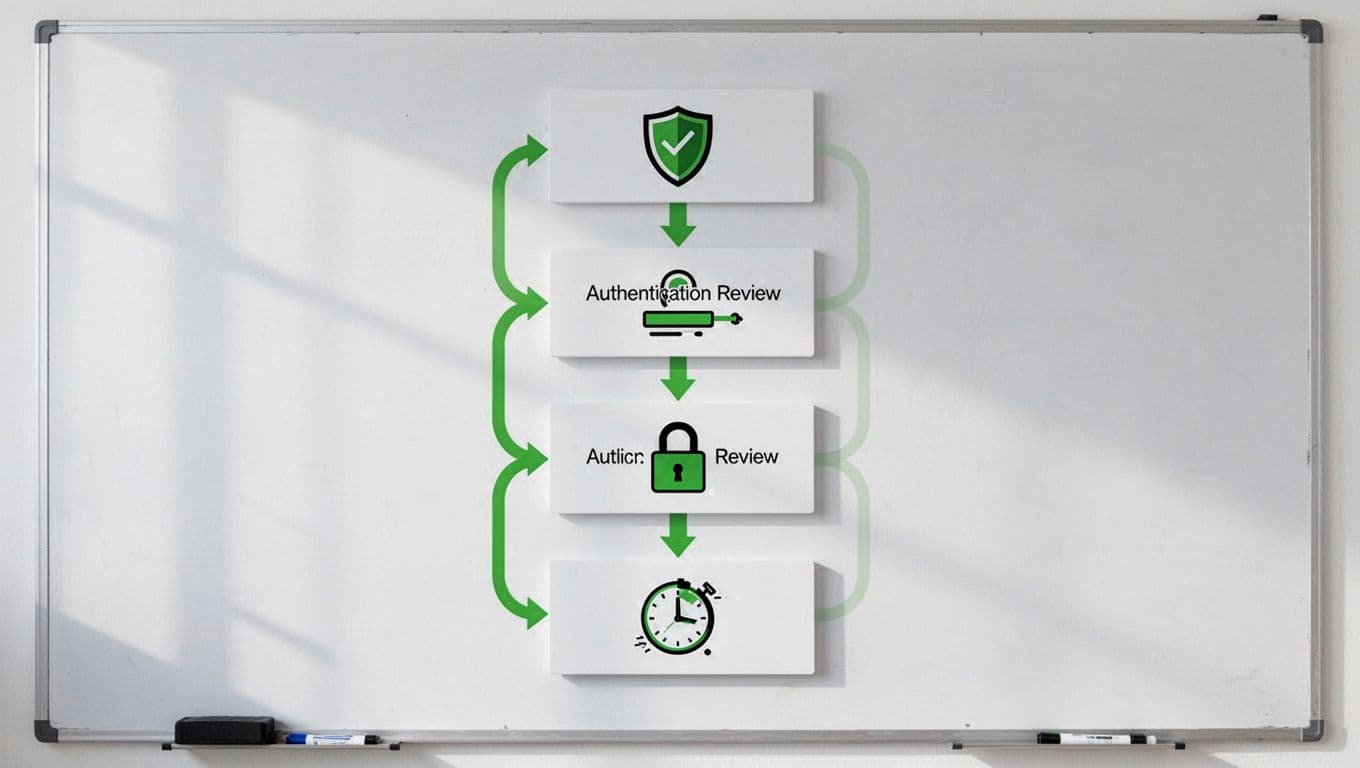
Look for MFA prompts on sensitive actions. Test forgot-password flows avoid username leaks.
Follow OWASP Authentication Cheat Sheet for full rules. It covers CAPTCHA and adaptive auth.
Tradeoff: extra tests add setup time. Skip for low-risk apps, but enable for user data.
Common gotcha: custom JWT without signature validation. Always verify issuer and expiry.
Playbook: Input Validation Checks
Inputs are attack vectors. Unchecked data causes injections.
Whitelist over blacklist. Allow only expected formats, like d{3}-d{2}-d{4} for SSNs.
Server-side always. Client checks block casual errors, but trust none.
Example comment: “Add if (!preg_match('/^[a-zA-Z0-9]+$/', $input)) { reject(); } to prevent XSS.”
Contextual rules matter. Emails get stricter checks than names.
See OWASP Input Validation Cheat Sheet for regex patterns and length caps.
Test edge cases: empty strings, nulls, max lengths.
This playbook fits PRs fast. Scan changed files only.
Playbook: Handling Secrets and Configuration
Secrets in code kill you. One commit exposes AWS keys.
Never hardcode. Use env vars or vaults like AWS SSM.
Scan PR diffs with git-secrets or CI tools.
Example comment: “Move DB_PASSWORD=secret123 to env var. Add to .gitignore.”
Rotate if leaked. Check commit history.
For configs, validate on startup: missing vars crash gracefully.

OWASP Secrets Management Cheat Sheet details rotation and auditing.
Tradeoff: vault setup takes a day. Worth it for prod.
Block commits with pre-commit hooks.
Playbook: Authorization Logic Review
Authz bugs let users escalate privileges. IDOR tops the list.
Enforce per endpoint. Check ownership: if (user.id !== resource.ownerId) { 403; }
Model checks too. Deny by default.
Example: “Missing role check before admin delete. Add if (!user.isAdmin()) return forbidden();“
Prefer RBAC or ABAC over custom logic.
OWASP Authorization Cheat Sheet stresses least privilege.
Test paths: normal user, admin, anon.
This catches sneaky flaws in minutes.
Playbook: Third-Party Dependency Updates
Deps bring supply chain risks. Log4j showed why.
Before merge: check CVE scores. No criticals without patches.
Use tools like Dependabot or Renovate for alerts.
Sample comment: “lodash 4.17.20 has high vuln. Pin to patched version.”
Review changelogs for breaking security changes.
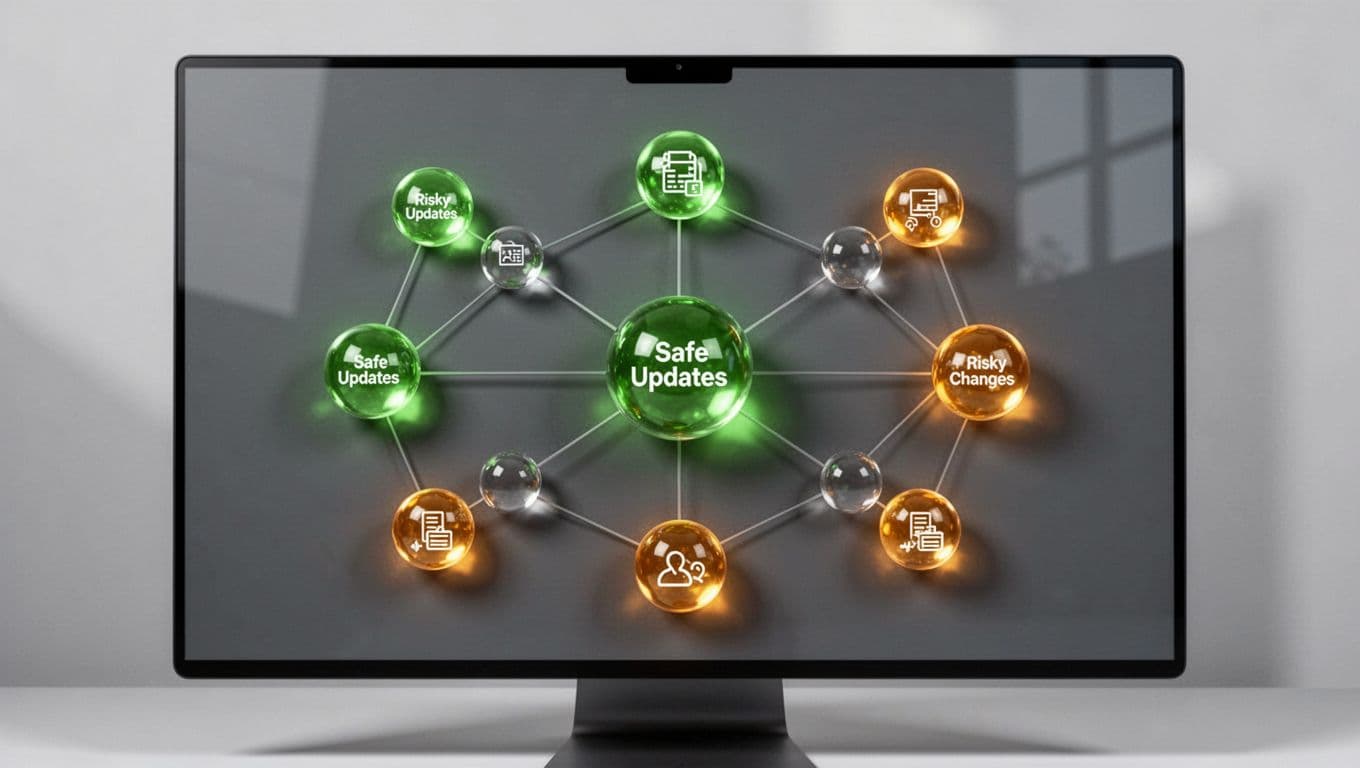
OWASP Vulnerable Dependency Management Cheat Sheet guides triage.
Tradeoff: delay updates. Batch low-risk ones quarterly.
Maintain SBOM for audits.
Time-Saving Tactics and Common Tradeoffs
Speed matters. Pair reviews: one drives, one notes security.
Train via lunch sessions on OWASP top risks.
Automate first: SAST + secret scans gate 60% of issues.
Tradeoffs show up. Full scans slow CI; limit to PRs.
For 5-person teams, designate security champ per sprint. Rotates load.
Measure: track bugs fixed vs. review time. Adjust checklists yearly.
If gaps persist, book a discovery call with Bud Consulting. They bridge skills for AppSec.
Conclusion
Secure code review boils down to checklists and playbooks tailored for speed. Small teams thrive by focusing on auth, inputs, secrets, authz, and deps.
You’ve got tools now: quick scans, comment examples, OWASP refs. Apply them next PR.
Breaches drop when habits stick. Your code stays solid, velocity intact.