table of contents
Two security advisory retainers can look similar and still deliver very different value. The real gap usually shows up later, when one provider gives clear direction and another sends vague notes with no follow-through.
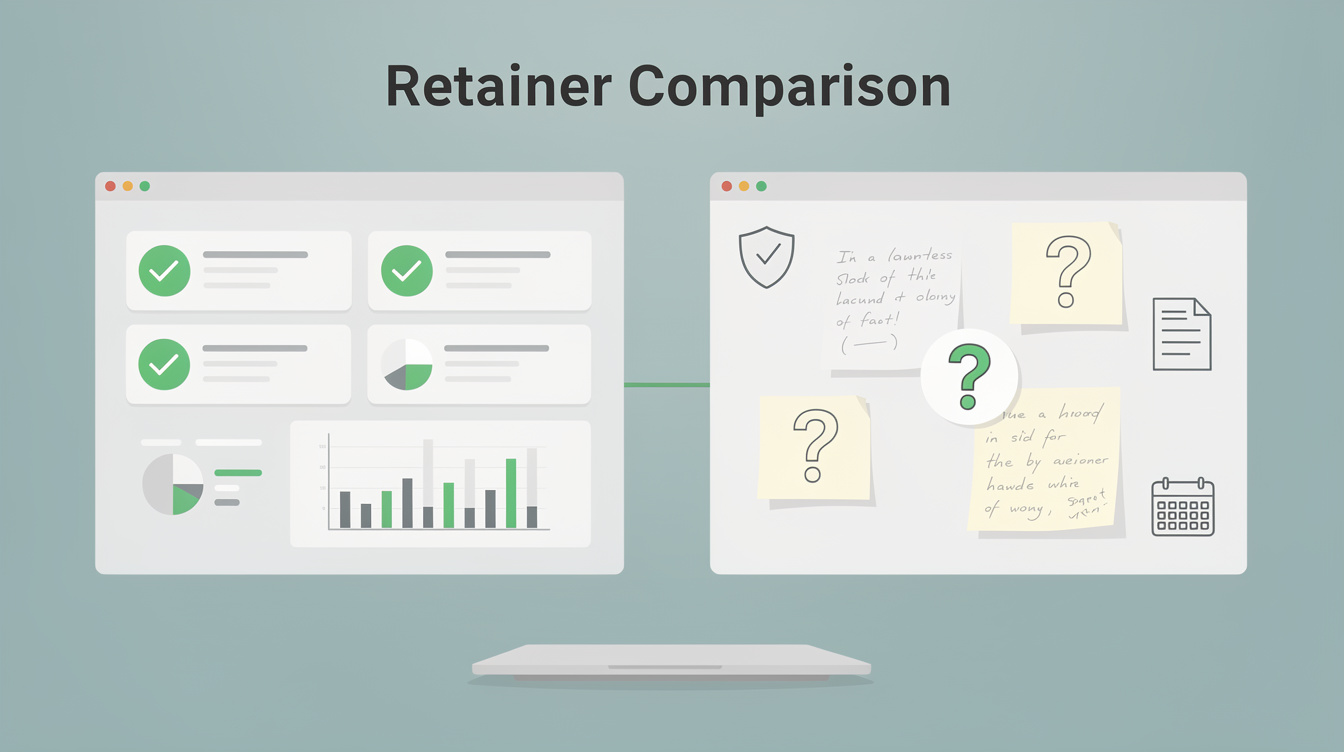
For CISOs, IT leaders, and procurement teams, the job is not to find the cheapest monthly fee. It’s to find a partner whose scope, expertise, cadence, and contract terms match your risk. That means comparing security advisory retainers like a business decision, not a line item.
What a Security Advisory Retainer Should Actually Cover
A strong retainer should support your security program, not just fill calendar time. It may include roadmap planning, policy review, risk analysis, board prep, control mapping, cloud or IAM guidance, and help with audit readiness.
A useful starting point is this security advisory services evaluation guide, which breaks down what advisory support should look like in practice.
It also helps to separate advisory work from response work. An incident response retainer buys emergency help after a breach or suspected event. It is not the same as ongoing strategy work. For a clear contrast, see what you’re actually buying in an incident response retainer.
This quick comparison helps:
| Model | Best for | What you get | What you don’t get |
|---|---|---|---|
| Security advisory retainer | Ongoing guidance and program support | Strategy, prioritization, leadership advice, planning | 24/7 incident handling |
| Incident response retainer | Breach readiness and crisis support | Emergency access, forensics, response coordination | Long-term security leadership |
| Managed security services | Continuous monitoring and operations | Tool monitoring, alerts, operational coverage | High-level business advisory |
The takeaway is simple. If you need better decisions, buy advisory. If you need help in a crisis, buy response. If you need monitoring, buy managed services.
Compare Scope, Expertise, and Support Rhythm
The best provider for one company may be the wrong fit for another. A startup with one security leader needs a different retainer than a regulated enterprise with an audit calendar and a board committee.
Look closely at who will do the work. Is it a senior advisor, a rotating bench, or a mix of junior staff with a light review? That difference matters because it affects both quality and consistency.
Also check for industry experience. A provider who knows healthcare, SaaS, finance, or critical infrastructure will spot different risks and speak your language faster. In addition, ask how they handle availability. A monthly strategy call is not the same as having a trusted advisor on short notice during a major issue.

When you compare proposals, ask whether the provider offers named advisors, a backup contact, and a clear response window. Those details tell you more than a polished pitch deck.
Read Pricing and Contract Terms Like a Buyer
Pricing structures can hide more than they reveal. Some retainers charge a flat monthly fee. Others sell a block of hours. A few blend advisory access with add-on project work.
This is where a pricing reference helps. Compare proposals against cybersecurity provider pricing models, then cross-check market ranges in Clutch’s cybersecurity pricing guide. If you’re buying a fractional leader, a vCISO cost guide can also help you frame the offer.
If a proposal doesn’t say who does the work, when they respond, and what gets delivered, you’re buying a promise, not a service.
Pay attention to minimum terms, rollover rules, cancel windows, and out-of-scope charges. A cheap retainer with strict limits can end up costing more than a higher-priced plan with flexible support.
The strongest contracts spell out what happens when you need more help. They also show whether the provider can scale with you as risk changes.

Judge Deliverables by Business Impact
Deliverables should be easy to name and hard to fake. Good retainers produce things you can use, such as a risk register update, a board-ready summary, a control gap review, a policy refresh, or a prioritised roadmap.
Measure the work by what changes in your program. Are decisions faster? Are repeat findings dropping? Is the board getting clearer reporting? Are auditors asking fewer basic questions?
That’s also where alignment with business risk comes in. A retailer, a SaaS firm, and a hospital all have different pressure points. Your retainer should reflect that. If it doesn’t, you may be buying advice that sounds smart but misses the real threat.
Questions to Ask Before You Sign
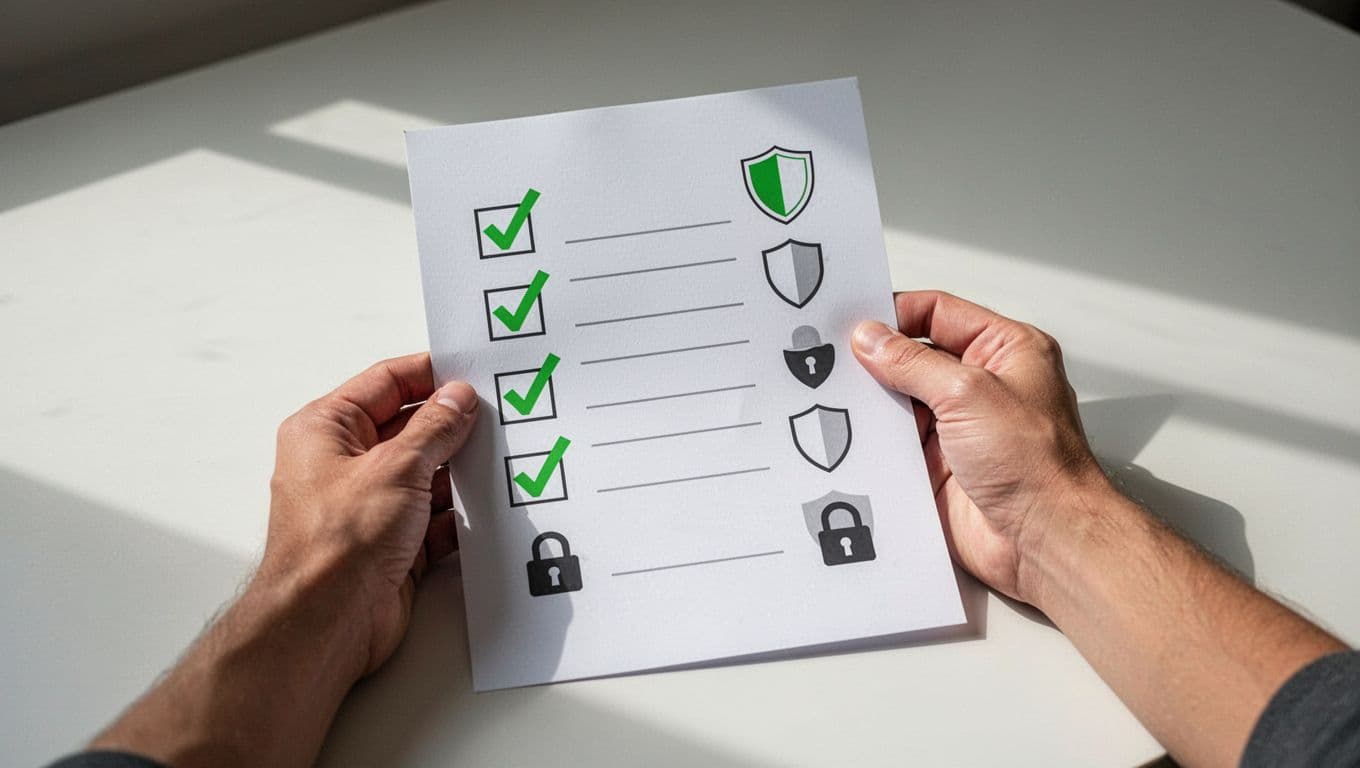
Use this checklist to compare vendors side by side:
- Who will do the work week to week?
- How fast do you respond to urgent requests?
- What deliverables are included each month or quarter?
- What is excluded from the retainer?
- How do you measure success?
- How often will we meet, and in what format?
- What happens if our risk profile changes mid-contract?
The biggest comparison mistakes are easy to spot. Buyers focus on price alone, confuse advisory with incident response, or assume every provider’s senior person will stay involved. They also accept vague deliverables, which makes the retainer hard to measure later.
If you want a second set of eyes on fit, Book a Discovery Call with Bud Consulting and review the scope before you commit.
The best retainer is not the one with the flashiest proposal. It’s the one that gives you the right advice, at the right pace, with terms you can trust. When you compare security advisory retainers that way, price becomes only one part of a much better decision.