table of contents
Security compliance analysts keep your organization out of regulatory hot water. They audit systems, track risks, and ensure compliance with standards like GDPR or SOC 2. Yet in 2026, only 34% plan to stay with their current employer, according to recent surveys.
Turnover hits 22% on average, driven by burnout and better offers elsewhere. You lose knowledge and face hiring delays that cost thousands. These retention plans help you spot issues early and build loyalty.
Let’s start with the signs that analysts want out.
Spot the Signs Your Analysts Are Heading for the Exit
Analysts show clear red flags before they quit. Watch for disengagement in meetings or skipped compliance training. They might miss deadlines on risk reports, a sign of overload.
Burnout strikes hard in understaffed teams. Recent data shows 58% of cybersecurity teams lack enough people, and 54% face budget shortfalls. Analysts juggle AI regulations and cloud audits without support, so frustration builds fast.

Frequent job site visits or updated LinkedIn profiles signal active searches. Low morale shows in feedback surveys, where satisfaction dips below 70%. Act on these cues with one-on-one talks.
Track patterns too. If juniors skip cert renewals or seniors avoid mentoring, turnover risk rises. Address them before resumes fly out the door.
Pay and Perks That Keep Analysts On Board
Money talks first. Base salaries for analysts range from $110,000 to $160,000 in 2026. Add 15-25% bonuses tied to audit passes or risk fixes.
Retention bonuses work well. Offer $10,000 to $30,000 after one or two years. Stock grants, like 0.1-0.5% equity vesting over four years, appeal in tech firms.
Flexible work cuts turnover. Hybrid setups with one or two office days boost satisfaction to 82%, per IANS reports. Full remote options or four-day weeks keep balance.
Perks seal the deal. Give $5,000 to $10,000 yearly for learning stipends, home office setups at $2,000, or mental health days. Profit-sharing at 5-10% of salary shows you value their wins.
Tailor packages to your team. A recent talent report notes visibility and leadership support retain high performers. Match market rates, and watch stability grow.
Design Clear Career Paths for Analysts
Analysts stay when they see a future. Build ladders from junior to director levels. Juniors start at $100,000 with daily audits and basics like CompTIA Security+.
Seniors earn $130,000 after two to five years. They lead assessments with CISA or CAMS certs. Managers at $150,000 to $170,000 oversee programs, holding CISSP.
Directors hit $180,000-plus, setting strategies with multiple certs. CISOs top at $250,000, reporting to the board.

Post paths in handbooks. Tie promotions to projects like NIST rollouts. Certified staff get 70% of promotions, and clear ladders cut turnover by 30%.
Mentor matches help. Pair juniors with seniors for skill shares. Regular reviews set goals, so progress feels real.
Certs and Training to Drive Engagement
Certs boost skills and loyalty. Top ones include CISA for audits, CISSP for management, and CCSP for cloud. They add $20,000 to $30,000 in pay and double tenure to 3.5 years.
Fund prep courses and exams. Stipends cover $500 to $2,000 per cert. Track completion rates as a KPI; aim for 100% annually.
Hands-on training fits 2026 needs. Cover AI governance (73% demand) and data analytics (57%). Tools like Splunk or RSA Archer speed audits, easing workloads.
Engagement rises with variety. Rotate tasks between audits and policy updates. Team events or compliance hackathons build bonds.
A 2026 workforce study stresses clear roles and recognition. When analysts grow, they stay.
Track Retention with Key Metrics
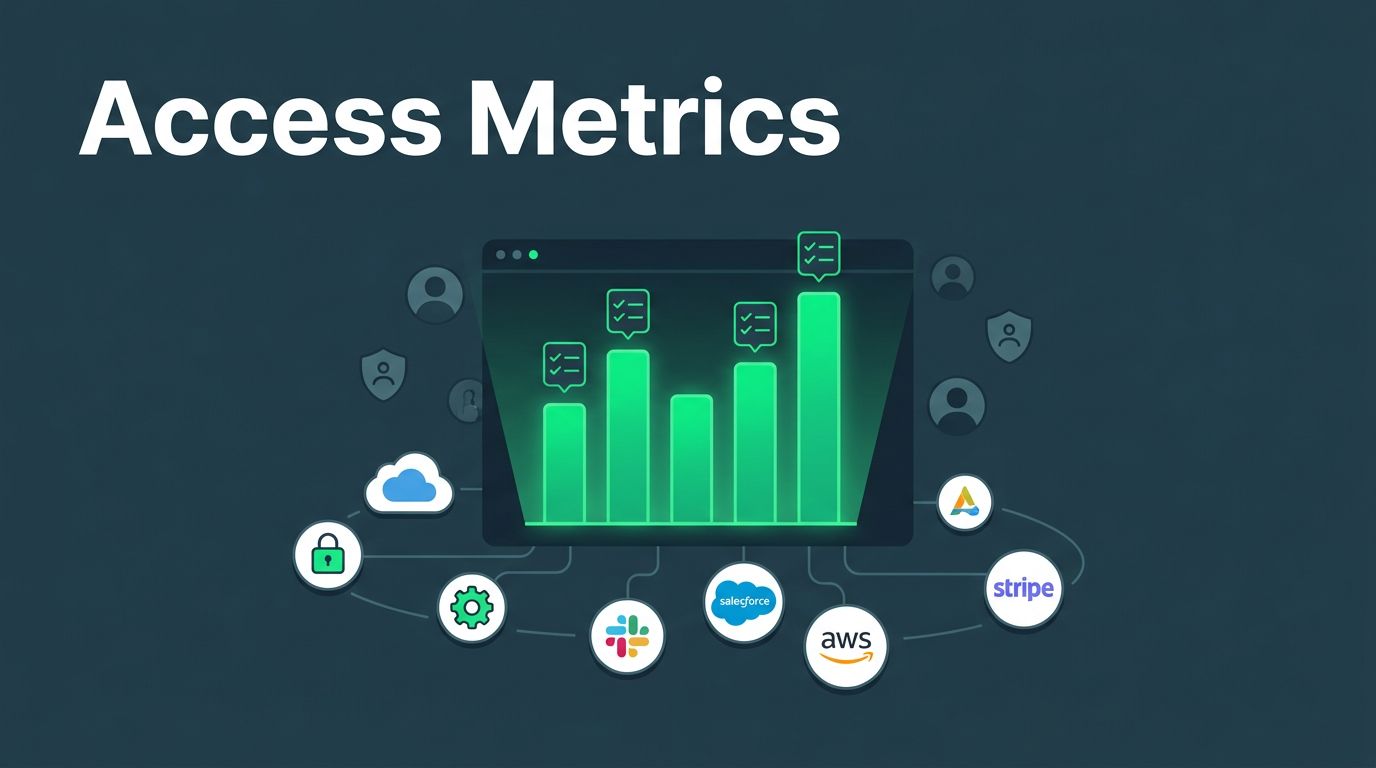
Metrics show if plans work. Monitor turnover rate below 15%. Internal mobility tracks promotions or shifts; aim for 20% yearly.
Engagement surveys hit 80% positive. Time-to-productivity for new hires stays under 90 days. Cert completion reaches 95%.
Here’s a quick view of targets:
| KPI | Target | How to Measure |
|---|---|---|
| Turnover Rate | <15% | Annual exits divided by headcount |
| Internal Mobility | 20% | Promotions or lateral moves |
| Engagement Score | 80%+ | Quarterly survey average |
| Time-to-Productivity | <90 days | From hire to full contributions |
| Cert Completion | 95% | Renewals and new certs finished |

Use dashboards in ServiceNow. Low scores trigger reviews. High marks justify budgets.
Review quarterly. Adjust incentives based on data, like more remote days if engagement lags.
Conclusion
Strong security analyst retention plans mix pay, paths, and metrics. Spot burnout early, fund certs like CISA, and track KPIs to stay ahead.
Teams with these elements see turnover drop below 10%. Analysts deliver better compliance when they feel valued.
Book a Discovery Call with Bud Consulting to tailor plans for your org. Stability starts with action now.
(Word count: 1,482)