table of contents
Security automation engineer hiring in 2026 is about more than finding a strong scripter. You need someone who can connect tools, reduce alert noise, and keep response work safe as your stack grows.
Many teams miss that and write a job spec that mixes SOC analyst, cloud engineer, and DevOps lead into one seat. The result is messy interviews and weak hires. This guide keeps the focus on what matters, from SOAR and Python to cloud logs, CI/CD security, and API-heavy response work.
What the role actually covers now
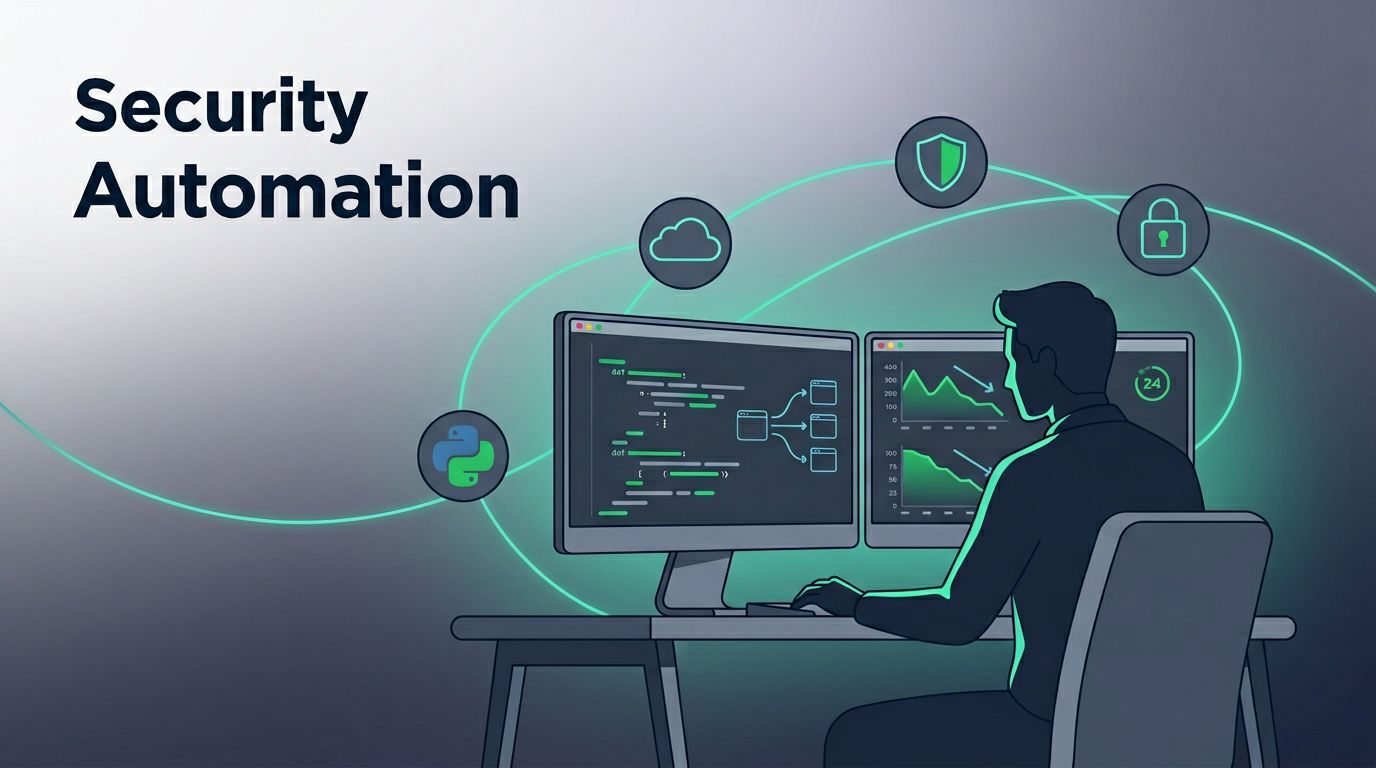
In 2026, this role sits between SOC operations, DevSecOps, and cloud security. The engineer builds and tunes response paths, connects tools through APIs, and keeps playbooks from breaking when vendors change fields or auth flows.
A broad role map is available in Security Automation Engineer: Make Security Operations Scale. It helps anchor the job around real work, not buzzwords.
Many teams also expect this person to understand zero-trust access paths and identity controls, because automation without access control creates new risk. They may also help with detection-as-code, IaC guardrails, and AI-assisted triage.
If your stack includes Cortex XSOAR, Splunk SOAR, Microsoft Sentinel, or Torq, hire for integration skill first and product familiarity second. For a current market snapshot of the tool space, see AIMultiple’s 2026 SOAR platform list.
US pay often lands around $107,000 to $130,000 base, with higher offers in larger markets or for people who can own both automation and cloud security. That range helps you calibrate seniority before you write the spec.
Focus on skills that ship automation
The best candidates can move across Python, APIs, cloud logs, and IaC without losing sight of security controls. They write scripts that are readable, testable, and easy to hand off. They also know when to pause automation and route to a human.

| Skill area | Essential in 2026 | Nice-to-have |
|---|---|---|
| Python scripting | Build and debug automation, parse data, handle retries | Advanced package design |
| API integrations | Work with auth, pagination, rate limits, and webhooks | Custom SDK creation |
| SOAR playbooks | Design safe alert-to-response flows | Deep expertise in one vendor only |
| Cloud and IaC | Read AWS, Azure, or GCP logs and review Terraform or Bicep | Multi-cloud architecture ownership |
| Detection and response automation | Tune rules and automate triage or containment | Full threat-hunting ownership |
| AI-assisted workflows | Review AI output and add guardrails | Build custom agents |
Strong hiring teams also check whether the candidate can explain trade-offs in plain language. That matters when a SOC lead, a cloud architect, and a founder all need the same answer. If you’re comparing tools, Exabeam’s 2026 SOAR roundup is a useful market reference before interviews start.
The takeaway is simple. Hire for judgment, not just tool names. Certifications can support the case, but they should never carry it.
Screen for real ability, not polished resumes
Certifications can help, but they shouldn’t drive the whole decision. A certified candidate may know the vocabulary, yet still miss safe automation, debugging, or cross-team rollout. Ask for proof of work, even if it’s a sanitized GitHub repo, a walkthrough, or a sample incident flow.
A strong candidate can show how an alert becomes action, then explain how the action fails safely.
Score the screen on three things. First, can they turn messy inputs into a reliable workflow? Second, do they think about logging, approvals, and rollback? Third, can they explain the system to non-specialists without hand-waving?
Good answers usually mention retries, idempotency, least privilege, and fallback paths. Weak answers jump straight to tool names or vendor badges. That gap shows up fast once the interview moves past the resume.
Structure interviews that reveal operators

Use a short loop. Start with a 20-minute technical screen, then move to a live walkthrough of a past automation. After that, use a time-boxed take-home or pair exercise. Finish with a hiring manager round on risk, rollout, and stakeholder management.
A take-home that tests the right things
Give the candidate a small alert set, a mock ticket API, and one broken playbook. Ask them to improve it in 60 to 90 minutes or explain how they’d approach it. Grade the answer on logic, safety, test coverage, and clear comments.
Good interview questions sound practical, not theatrical:
- “Walk through a playbook you built. Where could it fail?”
- “How would you automate a CI/CD security check without slowing deploys?”
- “What would you log, alert on, and page for?”
- “How would you secure an API integration with a vendor you don’t fully trust?”
Common hiring mistakes show up when teams rush this step:
- Writing a job post that mixes SOC analyst, cloud engineer, and DevOps lead expectations.
- Screening for one SOAR vendor before checking script and integration skill.
- Using a huge take-home that asks for production-quality code.
If you need help tightening the spec or benchmarking candidates, Book a Discovery Call with Bud Consulting to sharpen the interview plan.
Security automation engineer hiring gets easier when the interview reflects the job. The best candidates do not just know a platform. They connect cloud logs, scripts, approvals, and response steps into one dependable workflow.
That is what lowers noise and gives your team back time. In a year full of AI-assisted tools, the best hire is still the one who knows where automation should stop.