table of contents
When employees click the wrong link, the damage rarely starts with a firewall. It starts with a habit, a rushed moment, or training that never stuck.
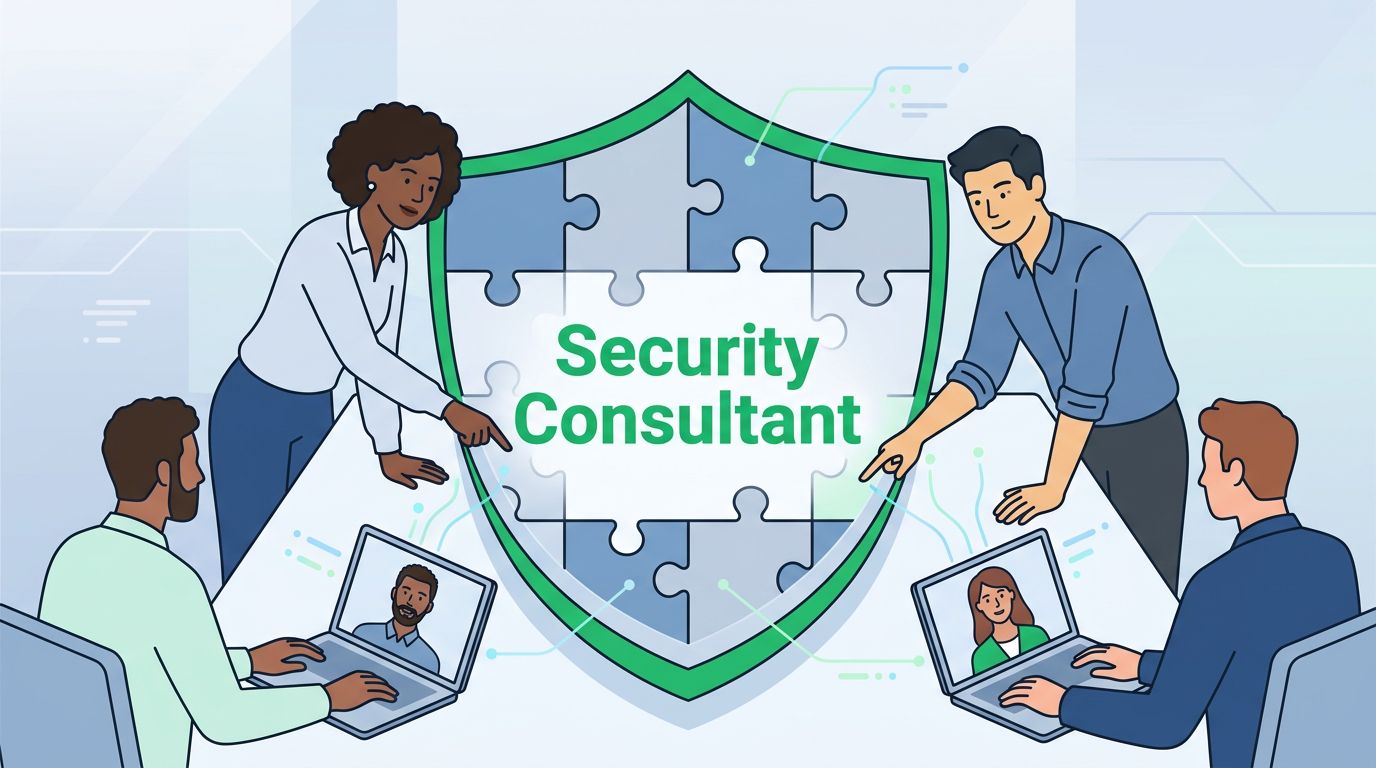
Choosing a security awareness consultant means more than hiring someone who can run a phishing quiz. You need a partner who can change behavior, fit your culture, and show progress in real numbers. That matters even more now, with remote and hybrid teams, mobile attacks, and tighter compliance demands.
The right consultant helps people spot risk faster and report it sooner. The wrong one leaves you with polished slides and little else. Here’s how to tell the difference.
Start With Your Real Risk, Not a Generic Program
Before you compare vendors, get clear on what problem you’re solving. Are phishing clicks the main issue, or do you have weak reporting, poor password habits, or repeated policy mistakes? A consultant can only help if they understand the shape of your risk.
Think about where your people work, too. Remote and hybrid staff face more distractions, more mobile threats, and more context switching. That means your program should cover email, SMS, QR codes, voice calls, and messaging apps, not email alone.
Compliance matters as well. If your team supports SOC 2, HIPAA, PCI DSS, or internal audit goals, the consultant should align the program to those needs without turning it into checkbox training. For a broader view on how firms are compared, security awareness training providers: what to compare is a helpful reference.

Your Checklist for Selecting a Security Awareness Consultant
A good shortlist starts with clear criteria. If a candidate cannot speak to these points, keep looking.
For a practical comparison framework, Infosec’s provider checklist is a useful starting point.
- They begin with a risk review, not a slide deck.
- They have experience in your industry and company size.
- They measure behavior change, not just course completion.
- They can run phishing simulations across email, text, voice, QR, and chat apps.
- They tailor content by role, region, and risk level.
- They support managers, not only end users.
- They connect training to reporting, response, and security culture.
- They can show how success looks after 90 days and after one year.
You should also ask how they handle language, tone, and timing. A finance team needs different examples than a sales team. Likewise, a global workforce needs training that fits local norms and schedules.
A good consultant changes what people do after a risky message, not what they remember on a quiz.
Ask for Evidence, Not Confidence
Polished demos can hide weak programs. Instead, ask to see sample reports, sample phishing scenarios, and sample learning paths. You want proof that they can run a living program, not a one-time campaign.
In 2026, the best consultants pay close attention to modern attack patterns. That includes smishing, vishing, QR-code scams, and fake messages that try to trigger fast action. They should also use short, ongoing lessons that fit busy teams, especially remote workers who live on phones and chat tools.
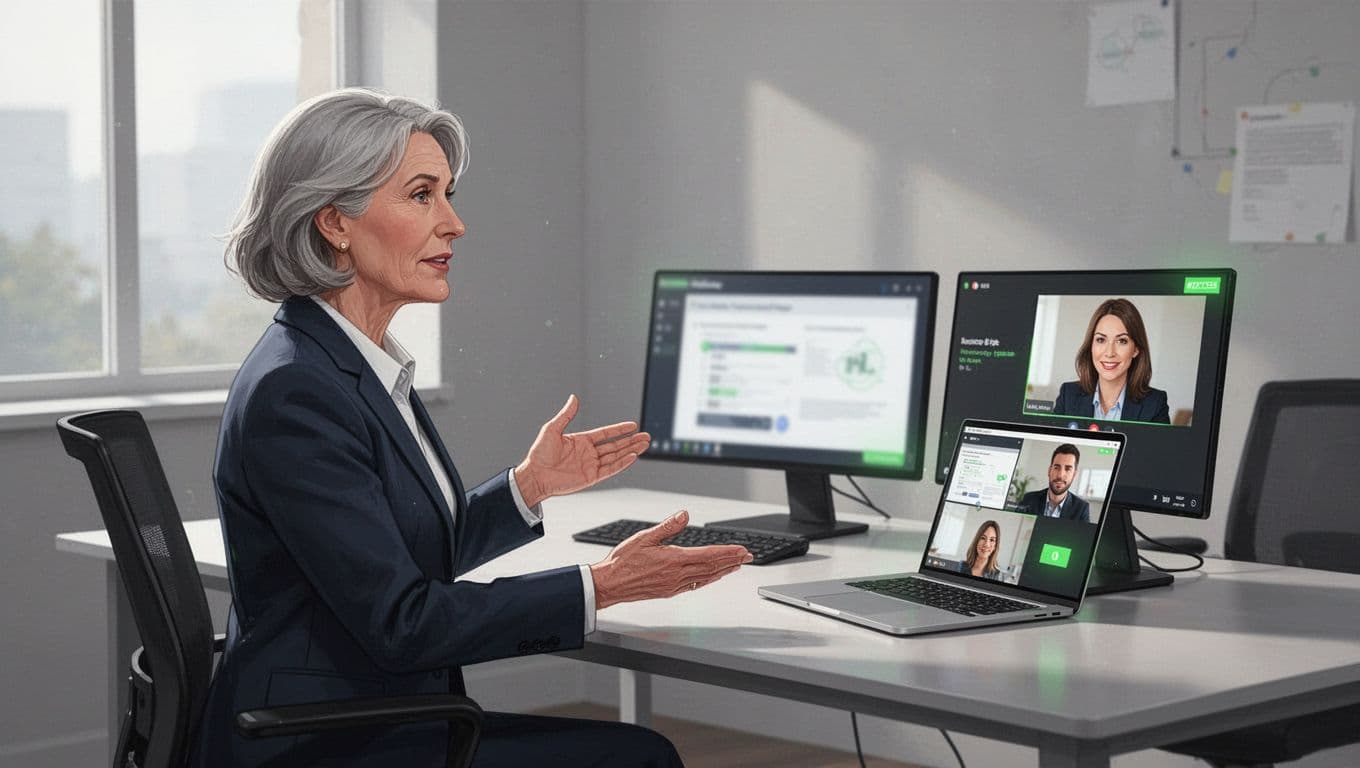
Ask how they report progress. Strong programs track report rates, repeat click rates, response time, and risk trends by group. Weak programs stop at attendance. If the consultant cannot explain how those numbers connect to actual behavior, the program may look busy without reducing risk.
Also ask how they fit into your wider security culture. Training should support incident response, policy communication, manager coaching, and awareness campaigns. It should not sit in a separate box. If you want a broader due-diligence lens while you compare options, this guide to vetting and hiring information security consulting firms can help you structure the process.
Common Mistakes That Waste Time and Budget
Many teams pick the wrong consultant for simple reasons. They buy content before defining goals. They focus on completion rates because those are easy to track. Or they choose a program that ignores how people actually work.
Watch out for these mistakes:
- Choosing annual training when monthly practice is needed.
- Ignoring remote and hybrid work patterns.
- Using phishing tests without a clear follow-up plan.
- Treating compliance as the finish line.
- Skipping input from HR, IT, and business leaders.
A strong consultant will help you avoid those traps. They should also push for a program that changes with your workforce. If your company grows, shifts regions, or adopts new tools, the awareness plan should change too.
If you’re comparing vendors now, Book a Discovery Call with Bud Consulting and use the conversation to test fit against your risks, budget, and goals.
The best consultant doesn’t sell fear. They build habits that hold up under pressure. That’s the real test, and it’s the one that matters most.