table of contents
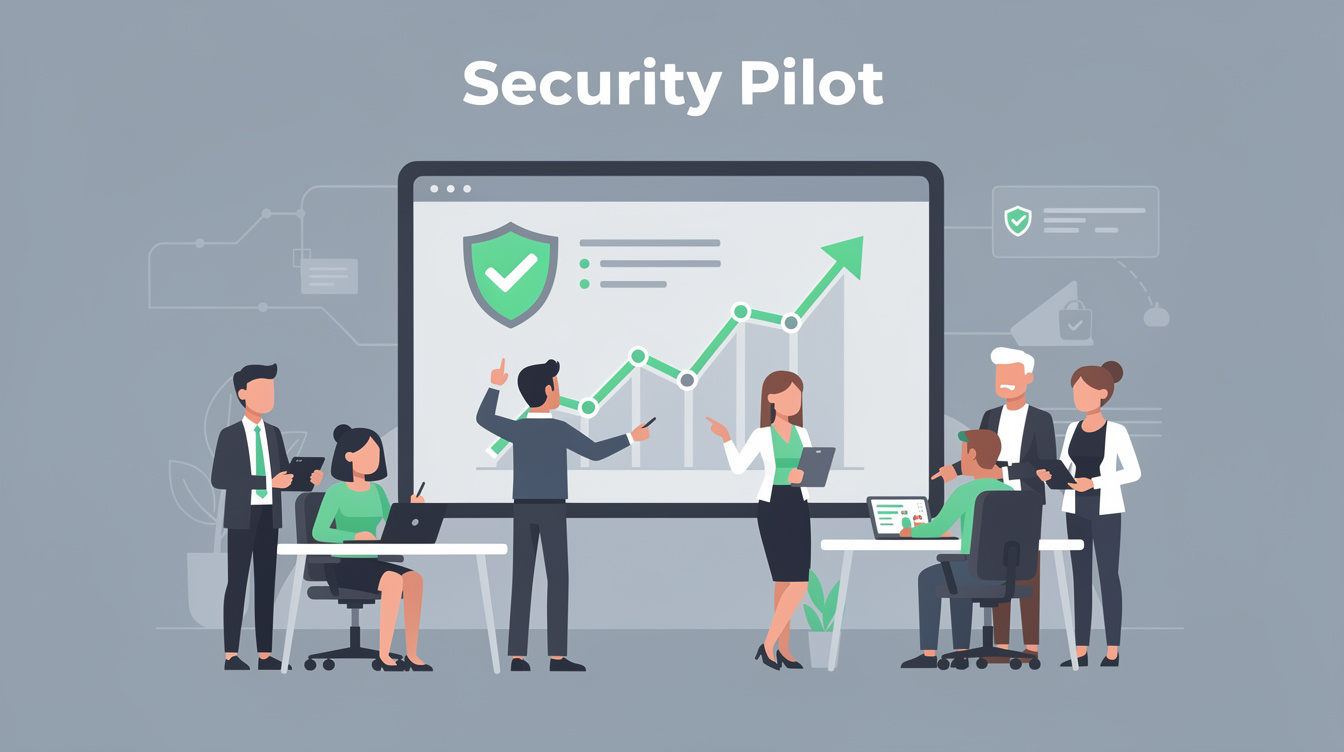
A security awareness pilot should prove one thing, your people can spot and report risk faster than before. If it doesn’t change behavior, it just adds another training task.
In 2026, that’s not enough. Human mistakes still drive a large share of incidents, so the pilot has to test habits, not attendance. The good news is that a small, focused launch can show value fast without turning into a full company rollout.
Set a Narrow Goal Before You Buy Anything
A pilot works best when it answers one business question. Maybe you want fewer phishing clicks. Maybe you want more reports. Maybe you want to test whether short, role-based lessons land better than a long annual course. Pick one main goal and two support metrics, then stop.
A 90-day window is a solid starting point. It gives you time for a baseline, the rollout, and a retest. Cybrary’s 90-day launch framework is a useful reference if you want a simple timeline without a lot of noise.
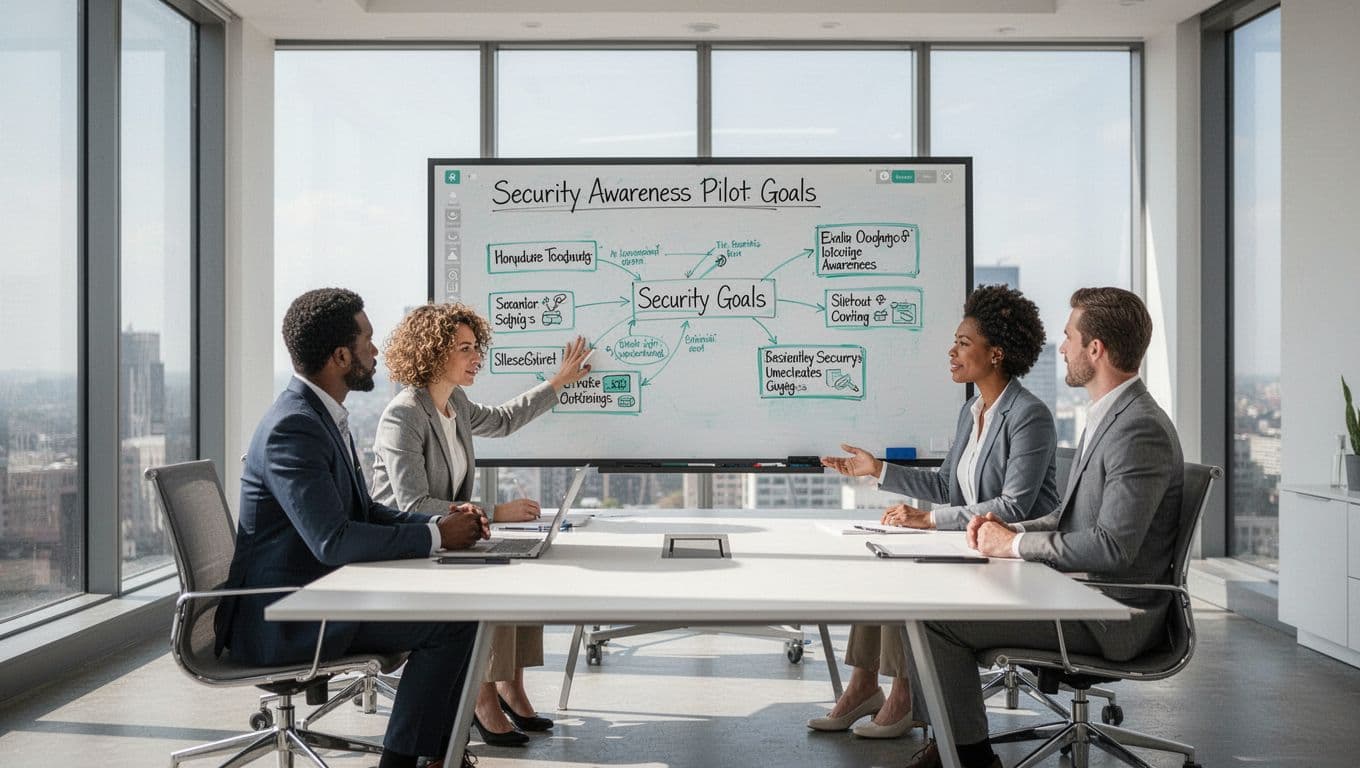
Write a short pilot charter. Name the audience, the threat scenarios, the tools you’ll use, and the manager who owns follow-up. Keep the scope tight. If every risk is in scope, nothing gets tested well.
A pilot should prove behavior change, not just course completion.
Pick a Pilot Group That Reflects Real Risk
Don’t choose the easiest group. Choose one that looks like the business you actually run. A mixed department with office and remote staff is often a smart start, because it shows how the message lands in different work styles.
Include a manager or team lead. Their support affects participation more than most slide decks do. Also think about the threats that matter most to that group. Finance sees payment fraud. Sales sees credential theft. Support teams see account takeover and urgent request scams.
A good pilot group is big enough to show patterns, yet small enough to manage quickly. It should also include a few skeptical users. They give you a better signal than a team that already loves security. If your company has seasonal workers, new hires, or high turnover, include a slice of that too. You want a group that mirrors real friction points.
Before launch, capture a baseline. Check current click rates, report rates, and training history. Without that starting point, the final report has no real weight. You also lose the chance to show progress in plain language.
Roll It Out in Small, Real-World Steps
Once the group is set, keep the launch simple. A pilot should feel close to daily work, not like a classroom exercise.
- Start with a short survey or a few manager interviews to learn what people already know.
- Run a baseline phishing simulation or scenario test.
- Deliver brief training in 10 to 15 minute chunks, with one or two clear actions.
- Repeat the simulation, then ask what felt useful, confusing, or too easy.
That last step matters because feedback can explain the numbers. Maybe the scenario felt fake. Maybe the message was too broad. Maybe people wanted a different tone for executives or frontline staff.
The usual mistakes are easy to spot. Teams launch to everyone at once, measure only completion, or wait until the end to collect feedback. They also overdo the content. In 2026, short lessons and practice-based simulations work better than long slides, because people remember what they do more than what they read.
Keep the scenarios tied to work. Use invoice fraud for finance, shared file links for operations, and login prompts for executives. That makes the lesson feel useful, not abstract. If you want a broader launch example, Infosec Institute’s security awareness launch overview shows the same basic idea: test first, then scale.
Track the Metrics That Matter
Completion rates help, but they don’t tell the full story. A better pilot tracks behavior, response, and user reaction. Datapath’s security awareness metrics guide makes the same point, completion is useful, but it doesn’t prove safer habits.
Use a simple scorecard so leaders can see the change at a glance.
| KPI | What it shows | What to look for |
|---|---|---|
| Completion rate | Participation | Most of the pilot group finishes on time |
| Phishing click rate | Risky behavior | Fewer people click on simulation lures |
| Phishing report rate | Escalation habits | More suspicious messages get reported quickly |
| Behavior change indicators | Day-to-day practice | People verify requests, pause before acting, and use the reporting path |
| Participant feedback | Relevance and clarity | Comments show the content felt useful and realistic |
Review the metrics twice, once at the midpoint and once at the end. That lets you catch weak messages early and adjust before the pilot closes. If click rates fall and report rates rise, you have a story leaders understand.
Measure what people do, not just what they watched.
PhishFirewall’s effectiveness guide pushes the same idea. It’s the right lens for a pilot, because a strong program changes habits, not slide completion rates.

Get Executive Support With Evidence, Not Hype
Executives back pilots when they see risk, cost, and proof. Lead with the problem the pilot will reduce, then show how it supports compliance, incident response, or customer trust. Keep the ask small. They don’t need a big deck. They need a clear plan and a clean readout.
A brief executive update during the pilot also helps. One slide with early trends is enough to keep support alive. After the pilot, send a one-page summary. Include the baseline, the changes you saw, the feedback you collected, and the next adjustment.
If the pilot helped people report suspicious mail faster, say it in plain terms. If it didn’t move the needle, say that too. Honest results build trust faster than polished slides. If you want help scoping the pilot or shaping the leadership case, Book a Discovery Call with Bud Consulting to review the plan and reporting structure.

A security awareness pilot should feel small, focused, and measurable. When you set one goal, test a real user group, and track behavior, you get evidence that matters.
The best pilots don’t just finish on time. They leave you with better habits, cleaner metrics, and a stronger case for rollout across the business. That’s the real win.